


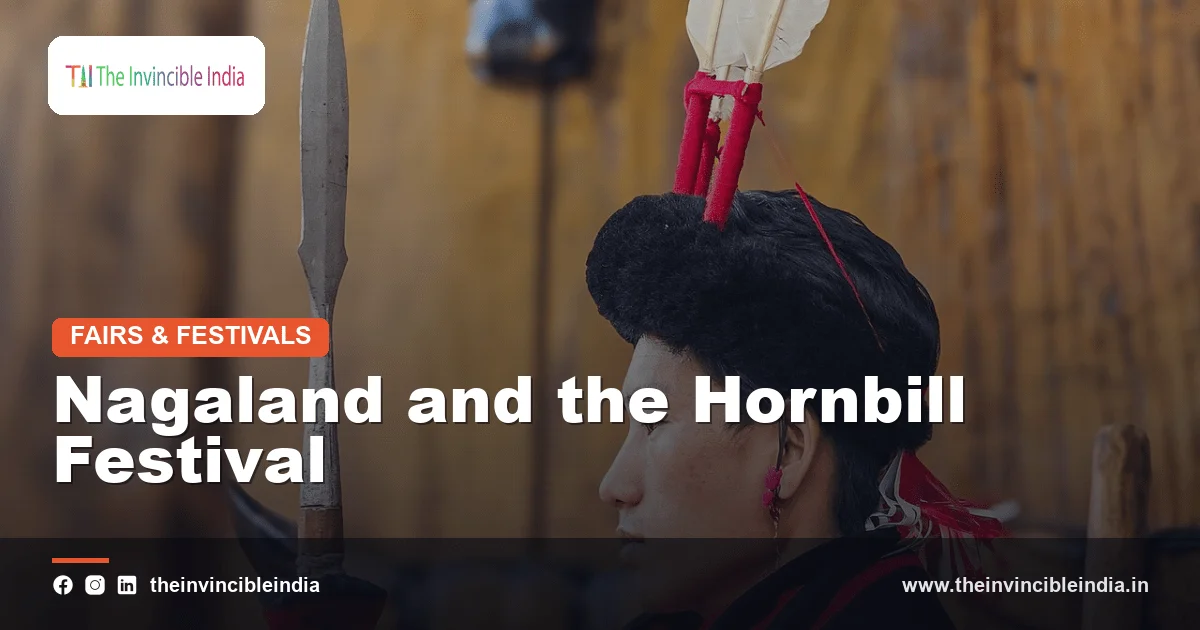
The Hornbill Festival of Nagaland is one of the most spectacular cultural celebrations in India, a vibrant showcase of the rich heritage of the Naga tribes. Held every December in the state, it brings together all the major tribes of Nagaland in a dazzling display of dance, music, crafts, food and traditional sports. Named after the hornbill, the majestic bird revered in Naga folklore, the festival was created to promote and preserve the unique cultures of the region while fostering unity among its diverse communities. This guide explores the wonders of the Hornbill Festival and the fascinating land of Nagaland.
Quick Facts: Hornbill Festival
| Detail | Information |
|---|---|
| Location | Kisama Heritage Village, near Kohima, Nagaland |
| When | 1 to 10 December every year |
| Named after | The hornbill bird, revered in Naga culture |
| Nickname | “Festival of Festivals” |
| Participants | All major Naga tribes |
| Started in | 2000 |
The Festival of Festivals
The Hornbill Festival is aptly called the “Festival of Festivals”, as it brings together the celebrations of all the major Naga tribes under one roof. Launched by the state government in 2000 to revive and protect the rich cultural traditions of Nagaland, it is held at the purpose-built Kisama Heritage Village, near the capital Kohima. Each tribe has its own morung (traditional house) at the venue, where members display their customs, cuisine and crafts, offering visitors an unparalleled opportunity to experience the entire cultural spectrum of the state in a single place.
Dance, Music and Traditional Sports
At the heart of the festival are the mesmerising performances of traditional Naga folk dances and songs, performed by warriors and villagers in magnificent traditional attire adorned with feathers, beads, shawls and headgear. The rhythmic war dances, melodic folk songs and the powerful sound of log drums create an unforgettable atmosphere. The festival also features indigenous games and sports, such as traditional wrestling, archery, and the famously fiery Naga chilli-eating competition, which draws enthusiastic participants and delighted crowds.
Crafts, Cuisine and the Naga Way of Life
The Hornbill Festival is a treasure trove for those interested in indigenous crafts and cuisine. Stalls showcase intricate Naga handicrafts, including woven shawls, wood carvings, bamboo and cane work, jewellery and pottery, all reflecting the artistic skill of the tribes. Food lovers can sample authentic Naga cuisine, known for its smoked meats, fermented flavours and the fiery Raja Mircha (king chilli), one of the hottest chillies in the world. The festival offers a deep and delicious insight into the distinctive Naga way of life.
Exploring Nagaland
A visit to the Hornbill Festival is the perfect opportunity to explore the beautiful state of Nagaland. The capital Kohima holds the poignant Kohima War Cemetery, commemorating the pivotal Second World War battle fought here. The state’s rolling green hills, terraced fields and traditional villages, such as the historic Khonoma, India’s “first green village”, offer stunning scenery and warm hospitality. Nagaland’s unique culture, dramatic landscapes and friendly people make it an unforgettable destination.
The Origins and Purpose of the Festival
The Hornbill Festival was launched by the Government of Nagaland in the year 2000 with a clear and important purpose: to revive, protect and promote the rich and diverse cultural heritage of the Naga people, and to encourage inter-tribal interaction and unity. Nagaland is home to many distinct tribes, each with its own traditions, and as modernisation and Christianity transformed Naga society, there was a growing concern that ancient customs, crafts and skills might be lost. The festival was conceived as a grand annual gathering where all the tribes could come together to celebrate and share their heritage, ensuring that these precious traditions are passed on to younger generations and shared with the wider world.
The Morungs and Tribal Displays
A central feature of the Hornbill Festival is the collection of morungs at the Kisama Heritage Village. Traditionally, a morung was a communal dormitory where young men of a Naga village learned the skills, discipline and lore of their tribe, serving as a vital centre of education and community life. At the festival, each major tribe maintains its own morung, built in its distinctive architectural style, where members welcome visitors, demonstrate traditional crafts, cook and serve authentic tribal food and rice beer, and share stories of their customs. Wandering from morung to morung offers an intimate and immersive way to understand the differences and richness of the many Naga cultures.
The Grandeur of Naga Attire
One of the most striking aspects of the Hornbill Festival is the magnificent traditional attire of the participants. Naga warriors and dancers appear in elaborate costumes adorned with feathers, particularly the prized hornbill feathers, along with cowrie shells, boar tusks, animal horns, colourful beads and intricately woven shawls, each element rich with meaning and often signifying status, achievement or tribal identity. The distinctive shawls of the different tribes, woven in bold patterns and colours, are especially notable. This dazzling display of traditional finery, set against the rhythmic dances and songs, creates a visual spectacle of extraordinary beauty and power.
Beyond the Cultural Village
While the heart of the festival lies at Kisama, the Hornbill celebrations have grown to encompass a wide range of events across Kohima and beyond. These include the popular Hornbill International Rock Contest, which showcases Nagaland’s vibrant contemporary music scene, along with fashion shows, literary events, food festivals, flower shows, motor rallies and craft markets. This blend of the traditional and the modern reflects the dynamic spirit of contemporary Naga society, which honours its ancient roots while embracing new forms of creativity, making the festival appealing to a broad and diverse audience of visitors.
Planning Your Visit to the Festival
Attending the Hornbill Festival requires some planning, as it is a hugely popular event. Accommodation in and around Kohima, from hotels to homestays and festival tourist camps, fills up quickly, so booking well in advance is essential. The nearest airport and railhead are at Dimapur, from where Kohima is a few hours away by road, and Kisama lies a short distance further. December in Nagaland is cold, so warm clothing is necessary. Visitors should keep abreast of current permit and registration requirements before travelling. Experiencing the Hornbill Festival firsthand is a truly unforgettable way to encounter the vibrant cultures, warm hospitality and stunning landscapes of Nagaland.
The Cuisine of the Naga Tribes
Naga cuisine is one of the most distinctive in India, and the Hornbill Festival offers a rare opportunity to sample its full range. Characterised by the use of smoked and fermented ingredients, locally foraged herbs and vegetables, and the fiery Raja Mircha (king chilli), one of the hottest chillies in the world, Naga food is bold, earthy and deeply flavourful. Signature dishes include smoked pork with bamboo shoot, fermented soybean preparations, and a variety of meats and vegetables cooked with minimal oil and spices to preserve their natural taste. Traditional rice beer, brewed by many tribes, accompanies festive meals, and tasting these authentic flavours at the tribal morungs is a highlight for adventurous food lovers.
The Significance of the Hornbill Bird
The hornbill, after which the festival is named, holds a place of deep reverence in Naga culture. This large, striking bird features prominently in the folklore, songs, dances and traditional attire of many Naga tribes, its distinctive feathers long prized as symbols of bravery, status and beauty, worn in the headgear of warriors and dignitaries. The bird is associated with qualities of valour and grace, and its imagery permeates Naga art and storytelling. By naming the festival after the hornbill, the celebration honours this powerful cultural symbol while also raising awareness of the need to protect the bird and its forest habitat.
Kohima and the War Memorial
A visit to the Hornbill Festival naturally includes time in Kohima, the hill capital of Nagaland, which holds an important place in world history. The Kohima War Cemetery is a beautifully maintained and deeply moving memorial to the soldiers who died in the Battle of Kohima during the Second World War, a pivotal engagement often described as the “Stalingrad of the East”, which halted the Japanese advance into India. The famous epitaph inscribed there has become known around the world. Beyond the cemetery, Kohima offers bustling markets, the state museum and a gateway to the scenic villages and landscapes of the surrounding hills.
Best Time and Tips for Visiting
The Hornbill Festival is held every year from 1 to 10 December, so this is naturally the time to plan a visit, though it means booking accommodation and transport well in advance due to the huge popularity of the event. December in Nagaland is cold, especially in the mornings and evenings, so warm clothing is essential. Visitors should carry cash, as card facilities can be limited, stay hydrated, wear comfortable footwear for walking around the sprawling Kisama village, and keep abreast of the latest entry and permit requirements. Arriving early each day helps secure good viewing spots for the popular cultural performances at the main arena.
Why the Hornbill Festival is Special
The Hornbill Festival is far more than a tourist event; it is a heartfelt celebration and preservation of a rich and ancient way of life. In bringing together all the tribes of Nagaland in a spirit of unity, pride and joyful sharing, it offers visitors an unparalleled window into one of the most colourful and distinctive cultures in India. From the mesmerising dances and magnificent attire to the delicious food, fascinating crafts and warm hospitality, the festival is a feast for the senses and the spirit. For anyone wishing to experience the true heart of Nagaland and its people, the Hornbill Festival is an unforgettable and deeply rewarding journey.
The Legacy of the Festival
Over the years, the Hornbill Festival has grown into one of the most celebrated cultural events in India, drawing thousands of domestic and international visitors and putting Nagaland firmly on the tourism map. More importantly, it has succeeded in its founding mission of reviving pride in Naga heritage and encouraging younger generations to learn and value their traditional dances, crafts, music and customs. By providing a platform where the tribes can come together, the festival has strengthened unity and understanding, while boosting local livelihoods through tourism and the sale of crafts and produce, ensuring that this vibrant cultural legacy continues to thrive.
Frequently Asked Questions
What is the Hornbill Festival?
The Hornbill Festival is an annual cultural festival held in Nagaland every December, showcasing the dance, music, crafts, food and traditions of all the major Naga tribes in a grand celebration known as the “Festival of Festivals”.
When and where is the Hornbill Festival held?
It is held from 1 to 10 December every year at the Kisama Heritage Village, about 12 kilometres from the state capital, Kohima.
Why is it called the Hornbill Festival?
It is named after the hornbill, a large and majestic bird that features prominently in the folklore, songs and traditional attire of the Naga tribes and is deeply revered in their culture.
Do I need a permit to visit Nagaland?
Indian citizens no longer require an Inner Line Permit for most areas, but it is advisable to check current regulations. Foreign nationals must register on arrival. It is best to confirm the latest rules before travelling.