


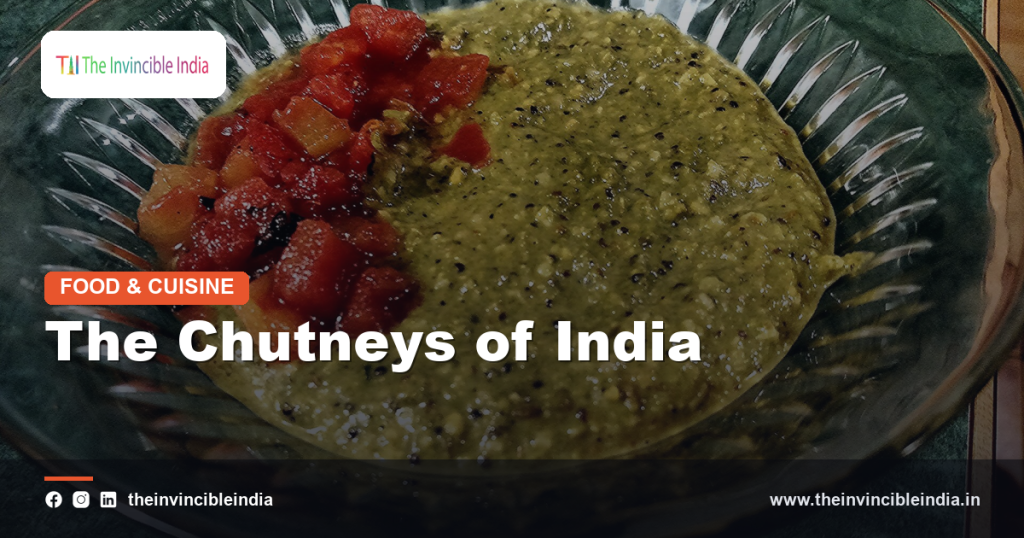
The chutneys of India are a beloved and endlessly varied family of condiments, bursting with tangy, spicy, sweet and fresh flavours that enliven meals, snacks and street food across the country. From the cool, fresh coconut chutney of the south to the tangy tamarind chutney and the fiery mint and coriander chutney found everywhere, these condiments are prepared fresh, often ground on the spot, and served in small quantities that pack an outsized punch of flavour. Chutney is an essential companion to countless Indian dishes, from dosa to samosa and beyond. This guide explores the wonderful world of Indian chutneys, one of the great delights of the country’s spice-driven cuisine.
Quick Facts
| Detail | Information |
|---|---|
| Type | Fresh or cooked condiments |
| Common bases | Coconut, mint, coriander, tamarind |
| Flavour | Tangy, spicy, sweet or fresh |
| Preparation | Ground fresh or slow-cooked |
| Served with | Dosa, samosa, snacks and meals |
| Role | An essential flavour companion |
A Beloved Family of Condiments
The chutneys of India form a beloved and endlessly varied family of condiments, each bursting with its own distinctive flavour, from tangy and spicy to sweet and fresh. Prepared fresh across households and eateries throughout the country, chutneys are served in small quantities alongside countless dishes, adding a concentrated burst of flavour that elevates even the simplest snack or meal into something memorable. This standing as a beloved family of condiments is well earned. As the tangy, spicy, sweet and fresh condiments cherished across India, chutneys hold an essential place in the country’s food heritage and continue to be celebrated for their endless variety and vibrant flavour.
The Role of Chutney
Chutney plays an essential role in Indian cuisine, serving as a flavour companion that complements and enhances the dishes it accompanies rather than standing as a meal on its own. Served alongside snacks such as samosa and dosa, or as an accompaniment to a full meal, chutney adds a concentrated dose of flavour, whether tangy, spicy, sweet or fresh, that rounds out the dish and heightens the overall eating experience. This essential role defines chutney’s place in the cuisine. This essential role of chutney as a flavour companion that complements and enhances the dishes it accompanies defines its place in Indian cuisine, and no plate of snacks or meal feels complete without its accompanying chutney.
Fresh Ground Chutneys
Many of India’s most beloved chutneys are made fresh by grinding ingredients such as herbs, coconut or spices into a smooth or slightly textured paste, often just before serving. This fresh grinding, traditionally done on a stone grinder and today often with a blender, preserves the bright, vibrant flavour of the ingredients, resulting in a chutney that is fresh, fragrant and full of life, quite different from a long-cooked condiment. This freshness is a hallmark of many chutneys. This tradition of grinding many beloved chutneys fresh from herbs, coconut or spices is a hallmark of the category, and this freshness gives such chutneys their bright, vibrant and fragrant character.
The Cool Coconut Chutney
Among the most beloved chutneys, especially in South India, is coconut chutney, a smooth, cool and mildly spiced paste made from fresh grated coconut. Ground with green chillies, ginger and a tempering of mustard seeds and curry leaves, coconut chutney offers a cool, creamy counterpoint to crisp dishes such as dosa and idli, its mild flavour making it a favourite accompaniment for breakfast dishes across the south. This coconut chutney is a beloved staple of South Indian cuisine. This beloved status of coconut chutney, a smooth, cool paste made from fresh grated coconut, is a staple of South Indian cuisine, and it remains one of the most iconic and widely enjoyed chutneys in the country.
The Fresh Mint and Coriander Chutney
A chutney found across nearly every region of India is the fresh mint and coriander chutney, a vibrant green condiment bursting with herbal freshness and a spicy kick. Ground from fresh mint and coriander leaves with green chillies, a touch of lemon or tamarind, and salt, this chutney offers a bright, refreshing and spicy flavour that pairs wonderfully with fried snacks, grilled dishes and much more. This mint chutney is beloved for its refreshing quality. This widespread presence of mint and coriander chutney, a vibrant green condiment bursting with herbal freshness, reflects its beloved refreshing quality, and it remains one of the most versatile and popular chutneys across the whole of India.
The Tangy Tamarind Chutney
A beloved sweet and tangy chutney found across India is tamarind chutney, made by cooking tamarind pulp with jaggery and spices into a thick, dark and richly flavoured sauce. This sweet-and-sour chutney is a favourite accompaniment to samosas, chaat and countless street food dishes, its deep, complex flavour balancing sweetness, tang and mild spice in a way that has made it one of the most beloved chutneys of Indian street food. This tamarind chutney is a star of street food. This beloved status of tamarind chutney, a thick, sweet and tangy sauce made from tamarind and jaggery, makes it a star of Indian street food, and it remains an essential accompaniment to samosa, chaat and other favourite snacks.
Onion and Tomato Chutneys
In many regions, particularly the south, chutneys are also made from cooked onions or tomatoes, offering a savoury, slightly sweet and tangy alternative to herb or coconut-based versions. These chutneys are typically cooked down with spices until thick and flavourful, offering a heartier and more robust taste that pairs especially well with dosa and other South Indian breakfast dishes, adding further variety to the chutney table. These onion and tomato chutneys enrich the tradition. This making of chutney from cooked onions or tomatoes, offering a savoury, tangy alternative to herb-based versions, enriches the tradition, and these heartier chutneys remain beloved accompaniments especially in South Indian cuisine.
Peanut and Sesame Chutneys
Certain regions of India favour chutneys made from roasted peanuts or sesame seeds, ground with spices into a rich, nutty and slightly earthy condiment. These peanut and sesame-based chutneys, particularly popular in parts of western and southern India, offer a distinctive nutty depth of flavour and a thicker texture, providing yet another dimension to the wonderfully diverse world of Indian chutneys. These nutty chutneys add depth to the tradition. This favouring of chutneys made from roasted peanuts or sesame seeds in certain regions of India adds depth to the tradition, and these nutty, earthy condiments are cherished specialities within their own regional cuisines.
The Role of Spices in Chutney
Spices play a vital role in shaping the character of every chutney, with a tempering of mustard seeds, curry leaves, cumin or chilli often added to enhance flavour and aroma. This tempering, in which spices are briefly fried in oil and poured over the finished chutney, adds a final layer of fragrance and flavour that elevates the condiment, showing how the skilful use of spices is central to the art of chutney making. This role of spices is essential to great chutney. This vital role of spices, particularly the finishing tempering of mustard seeds and curry leaves, in shaping the character of chutney is essential to the art, and this final touch of spice is what gives many chutneys their distinctive fragrance and depth.
Chutney with Snacks
Chutney is an essential and inseparable companion to countless Indian snacks, from dosa and idli to samosa, pakora and chaat, adding a burst of contrasting flavour to every bite. The pairing of a crisp or fried snack with a fresh or tangy chutney is one of the most beloved combinations in Indian food, the chutney cutting through richness and adding brightness, so that snack and chutney together create a complete and satisfying flavour experience. This pairing with snacks is central to chutney’s role. This essential and inseparable companionship of chutney with countless Indian snacks is central to its role in the cuisine, and this beloved pairing remains one of the great pleasures of Indian snacking.
Chutney in the Full Meal
Beyond snacks, chutney also finds a cherished place alongside the full Indian meal, served as one of the small accompaniments on a thali alongside rice, bread, dal and vegetables. A spoonful of chutney adds welcome variety and a burst of contrasting flavour to the meal, complementing the richer dishes and rounding out the plate, so that chutney is considered an important part of a complete and well-balanced Indian meal. This role in the full meal adds to chutney’s importance. This cherished place of chutney alongside the full Indian meal, adding welcome variety and contrasting flavour, adds greatly to its importance, and a well-rounded thali is rarely considered complete without a chutney or two.
Regional Chutney Traditions
Every region of India has developed its own distinctive chutney traditions, using local ingredients such as coconut in the south, mustard in the east or peanuts in the west to create condiments that reflect the flavours of the land. This regional diversity means that the chutney served alongside a dish can vary considerably depending on where in India one travels, each version offering its own delicious take on the fresh or cooked condiment. This regional diversity enriches the chutney tradition. This development of distinctive regional chutney traditions across India, using local ingredients to reflect the flavours of the land, enriches the tradition, and this diversity is one of the great delights of exploring Indian food across the country.
Chutney Making at Home
In many Indian households, making fresh chutney is a daily or frequent task, often done quickly just before a meal using whatever fresh herbs, coconut or vegetables are on hand. This everyday practice of grinding fresh chutney reflects the importance placed on fresh, vibrant flavour in Indian cooking, and homemade chutney, made fresh and adjusted to personal taste, is often considered far superior to any bottled or pre-made version. This homemade tradition remains central to daily cooking. This everyday practice of making fresh chutney at home, reflecting the importance placed on fresh, vibrant flavour, remains central to daily Indian cooking, and this tradition of fresh preparation is a hallmark of home-style chutney across the country.
Chutney Beyond India
Indian chutneys have found admirers well beyond the country’s borders, becoming familiar condiments in Indian restaurants and increasingly in wider international food culture. Mint chutney, tamarind chutney and coconut chutney are now recognised and enjoyed by food lovers across the world, often served alongside Indian dishes in restaurants everywhere, introducing the vibrant and varied flavours of Indian chutney to a global audience. This global recognition reflects chutney’s universal appeal. This finding of admirers for Indian chutneys well beyond the country’s borders reflects their universal appeal, and these condiments continue to introduce the bright, bold flavours of India to food lovers everywhere.
The Chutneys of India Today
Today the chutneys of India continue to be celebrated as an essential and beloved part of the country’s food culture, prepared fresh in homes, restaurants and street stalls across the nation. The cool coconut chutney, the vibrant mint chutney, the tangy tamarind chutney and countless regional varieties continue to accompany snacks and meals alike, adding their concentrated burst of flavour to the Indian table every single day. Chutney continues to be an indispensable part of eating in India. As the tangy, spicy, sweet and fresh condiments cherished across the country, Indian chutneys endure as an essential companion to countless dishes and one of the great delights of the nation’s culinary heritage.
Sources & Further Reading
- Ministry of Tourism, Government of India, on the cuisines of India (tourism.gov.in).
- Culinary references on Indian condiments and regional food traditions.
Frequently Asked Questions
What are Indian chutneys made of?
Indian chutneys are made from a wide range of ingredients, including fresh herbs like mint and coriander, coconut, tamarind, onions, tomatoes, peanuts or sesame seeds, ground or cooked with spices into a flavourful paste or sauce.
What is the difference between fresh and cooked chutney?
Fresh chutneys, such as mint or coconut chutney, are ground just before serving to preserve bright, vibrant flavour, while cooked chutneys, such as tamarind chutney, are simmered with spices and jaggery into a thicker, deeper-flavoured sauce.
What chutney is served with dosa and idli?
Coconut chutney is the most classic accompaniment to dosa and idli, offering a cool, mild and creamy contrast to the crisp or soft dishes. Tomato or onion chutney are also popular alternatives in South Indian cuisine.
What chutney is served with samosa?
Samosa is traditionally served with sweet and tangy tamarind chutney and fresh mint or coriander chutney, both of which add contrasting bursts of flavour that complement the crisp pastry and spiced filling of the samosa.
Why is a tempering added to some chutneys?
A tempering of mustard seeds, curry leaves or other spices briefly fried in oil is often poured over a finished chutney to add a final layer of fragrance and flavour, a technique that enhances the depth and aroma of the condiment.