


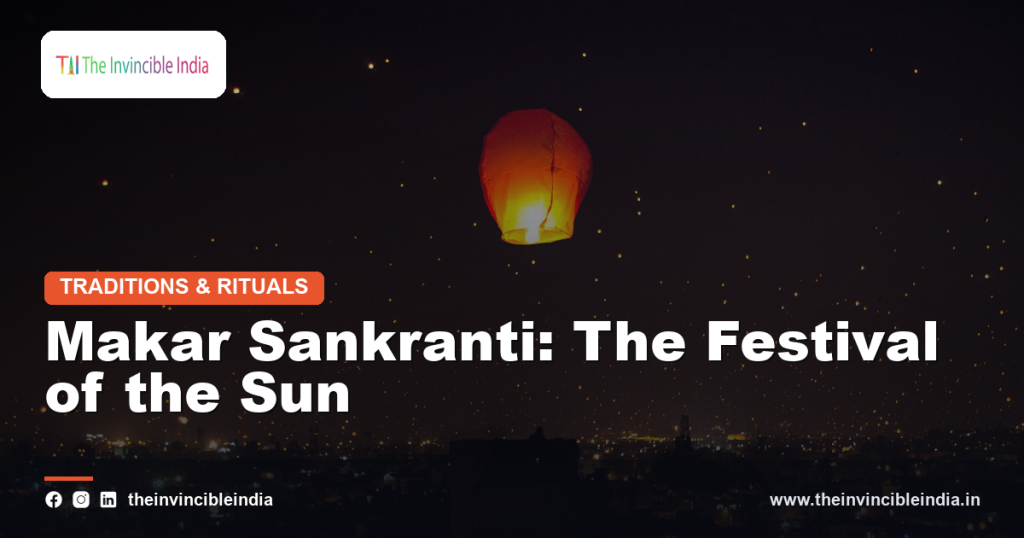
Makar Sankranti is one of the great festivals of India, a celebration of the sun and the harvest that marks an important moment in the solar calendar, the beginning of the sun’s northward journey. Celebrated across the country in a wonderful variety of regional forms and under many names, it is a festival of thanksgiving for the harvest, of the worship of the sun, and of joyous customs, from the flying of colourful kites that fill the skies to the sharing of special sweets, the taking of holy dips in sacred rivers, and the lighting of bonfires. A festival of light, warmth, harvest and joy, Makar Sankranti is celebrated with enthusiasm throughout India. This guide explores the meaning, the many regional celebrations, and the joyous customs of Makar Sankranti, one of the most widely celebrated of India’s traditions.
Quick Facts
| Detail | Information |
|---|---|
| Type | A festival of the sun and the harvest |
| Marks | The beginning of the sun’s northward journey |
| Timing | Celebrated in mid-January |
| Famous custom | The flying of colourful kites |
| Special foods | Sweets made of sesame and jaggery |
| Celebrated | Across India under many names and forms |
The Festival of the Sun
Makar Sankranti is one of the great festivals of India, a celebration of the sun and the harvest that is observed across the country with joy and devotion. Unlike many festivals that follow the lunar calendar, Makar Sankranti is a solar festival, marking an important moment in the sun’s yearly journey, and it is a time of thanksgiving for the harvest, of the worship of the sun, and of joyous celebration. Celebrated in a wonderful variety of forms across India, it is one of the most widely observed of the country’s festivals. As the great festival of the sun and the harvest, celebrated across India with joy and thanksgiving, Makar Sankranti holds an important place among the festivals of the country.
The Sun's Northward Journey
Makar Sankranti marks the beginning of the sun’s northward journey, an important astronomical and auspicious moment in the solar calendar. The festival celebrates the transition of the sun, which from this time begins to move northward and the days begin to lengthen, a change regarded as highly auspicious and associated with warmth, light and new beginnings. This solar significance is at the heart of the festival. This marking of the sun’s northward journey, an auspicious moment when the days begin to lengthen and the sun begins its return, is the astronomical and spiritual heart of Makar Sankranti and gives the festival its meaning as a celebration of the sun, light and the turning of the seasons.
A Harvest Festival
Makar Sankranti is also a great harvest festival, coming at the time when the harvest is gathered in many parts of India, and it is a celebration of thanksgiving for the bounty of the crops. The festival expresses gratitude for the harvest and the prosperity it brings, and it celebrates the fruitfulness of the earth and the success of the agricultural season. This harvest thanksgiving is a foundational meaning of the festival, connecting it to the ancient rhythms of farming. This character of Makar Sankranti as a harvest festival, celebrating the bounty of the crops with thanksgiving and joy, is a foundational meaning of the festival and links it to the celebration of the earth’s abundance and the labour of the farming people across India.
A Festival of Many Names
One of the most remarkable features of Makar Sankranti is that it is celebrated across India under many different names and in many regional forms, reflecting the great diversity of the country. In different regions the festival, or festivals falling at the same time, are known by different names and celebrated with different customs, from the harvest festivals of the south to the kite festivals and bonfire festivals of other regions, yet all marking the same season and the same solar moment. This diversity is a wonderful feature of the festival. This celebration of Makar Sankranti under many names and in many regional forms across India is a striking feature of the festival and reflects the wonderful diversity of the country’s cultural and regional traditions, all celebrating the same auspicious solar and harvest season.
The Flying of Kites
One of the most famous and joyous customs of Makar Sankranti, especially in the west and north of India, is the flying of colourful kites, which fill the skies during the festival. On the day of the festival, people of all ages take to their rooftops and open spaces to fly kites of every colour and design, and friendly kite-flying competitions are held, filling the skies with a spectacular display of colour. The kite flying is a beloved and exhilarating part of the festival. This custom of flying colourful kites during Makar Sankranti, filling the skies with a spectacular display of colour, is one of the most famous and joyous features of the festival, especially in the west, and a wonderful expression of its festive and celebratory spirit.
Sweets of Sesame and Jaggery
A cherished custom of Makar Sankranti is the making and sharing of special sweets made from sesame seeds and jaggery, which are associated with the festival and its spirit of warmth and togetherness. These traditional sweets, prepared and shared among family and friends during the festival, are a beloved part of the celebration, and their sharing is accompanied by warm greetings and good wishes, symbolising sweetness and harmony in relationships. The sweets are a delightful part of the festival. This custom of making and sharing sweets of sesame and jaggery during Makar Sankranti, symbolising warmth, sweetness and togetherness, is a cherished and delightful part of the festival and expresses the spirit of harmony and good wishes that accompanies the celebration.
Holy Dips in Sacred Rivers
Makar Sankranti is an auspicious time for taking holy dips in sacred rivers, and many devotees bathe in the holy waters on the day of the festival as an act of devotion and purification. The festival is considered a highly auspicious occasion for such sacred bathing, and great numbers of pilgrims gather at holy rivers and sacred bathing places to take a dip, believing it to bring spiritual blessing and purification. This custom of the holy dip is an important religious dimension of the festival. This custom of taking holy dips in sacred rivers during Makar Sankranti, as an act of devotion and purification on this highly auspicious occasion, is an important religious aspect of the festival and draws great numbers of devotees to the holy waters to seek spiritual blessing.
Bonfires and Warmth
In some regions, especially in the north, the season of Makar Sankranti is marked by the lighting of bonfires, around which people gather to celebrate with warmth, song and dance. These bonfires, lit during the festival season, are occasions of community celebration, as people gather around the fire, share sweets and traditional foods, sing and dance, and celebrate the harvest and the turning of the season. The bonfires bring warmth and community joy to the winter festival. This custom of lighting bonfires during the season of Makar Sankranti, especially in the north, around which communities gather to celebrate with warmth, song and dance, is a joyful part of the festival and adds a spirit of community warmth and celebration to the harvest and winter festival.
Regional Celebrations
Makar Sankranti is celebrated in a rich variety of regional forms across India, each with its own customs and character. In the south it is celebrated as the great harvest festival of the Tamil people; in the west it is famous for kite flying; in the north it is marked by bonfires and festivities; in the east and other regions it has its own customs, including holy dips and harvest celebrations. Each region celebrates the season in its own way. This rich diversity of regional celebrations, in which Makar Sankranti and the festivals of the same season take many forms across India, is a wonderful feature of the festival and reflects the great variety of the country’s cultural and regional traditions, all celebrating the same auspicious time.
An Auspicious Time
Makar Sankranti is regarded as a highly auspicious time, associated with the return of the sun, the lengthening of the days, and new beginnings, and it is considered a favourable occasion for many activities. The transition of the sun marked by the festival is held to be spiritually significant and auspicious, and the festival is regarded as a good time for devotion, charity, holy bathing and new undertakings. This auspiciousness is an important part of the meaning of the festival. This character of Makar Sankranti as a highly auspicious time, associated with the return of the sun and new beginnings, is an important aspect of the festival and adds to its significance as an occasion for devotion, charity and the marking of the turning of the season towards warmth and light.
Charity and Giving
Makar Sankranti is associated with charity and giving, and many people mark the auspicious festival by giving to those in need and sharing their bounty with others. The festival is regarded as a favourable time for acts of charity and generosity, and the giving of food, sweets and other gifts to the needy and to others is a cherished part of the celebration, expressing the spirit of gratitude and sharing. This custom of charity and giving is a beautiful part of the festival. This association of Makar Sankranti with charity and giving, as people mark the auspicious festival by sharing their bounty with those in need, is a beautiful aspect of the celebration and expresses the spirit of gratitude, generosity and sharing that accompanies the harvest and the turning of the season.
A Celebration of Community
Makar Sankranti is a festival of community and togetherness, when people come together to celebrate the harvest and the season through shared customs, feasting and festivity. Whether flying kites together, gathering around bonfires, sharing sweets, or celebrating in the many regional ways, people join in community celebration, and the festival strengthens the bonds of family and community. This community spirit is central to the joy of the festival. This character of Makar Sankranti as a celebration of community and togetherness, when people come together to celebrate the harvest and the season, is one of the most joyful aspects of the festival and reflects the way it brings families and communities together in shared celebration across the diverse regions of India.
A Festival of Light and Warmth
At its heart, Makar Sankranti is a festival of light and warmth, celebrating the return of the sun, the lengthening of the days, and the promise of warmth and abundance that the sun brings. Coming at a time of winter, the festival looks forward to the growing light and warmth as the sun begins its northward journey, and it celebrates the life-giving power of the sun with joy and thanksgiving. This theme of light and warmth is central to the spirit of the festival. This character of Makar Sankranti as a festival of light and warmth, celebrating the return of the sun and the promise of warmth and abundance, is at the heart of the festival’s meaning and gives it a spirit of hope, renewal and joy as the season turns towards light and warmth.
Makar Sankranti Today
Today Makar Sankranti remains one of the most widely celebrated festivals of India, observed with joy, devotion and festivity across the country in its many regional forms, and among Indian communities around the world. The flying of colourful kites, the sharing of sesame and jaggery sweets, the holy dips in sacred rivers, the bonfires, and the celebration of the harvest and the sun all continue to be cherished, and the festival brings communities together each year in thanksgiving and joy. In its joyous celebration of the sun, the harvest and the turning of the season towards light and warmth, Makar Sankranti endures as one of the most beloved and widely observed festivals of India.
Sources & Further Reading
- Ministry of Culture, Government of India, on the festivals of India (indiaculture.gov.in).
- Cultural records on the harvest and seasonal festivals of India.
Frequently Asked Questions
What is Makar Sankranti?
Makar Sankranti is a great festival of India celebrating the sun and the harvest, marking the beginning of the sun’s northward journey, an auspicious moment when the days begin to lengthen. It is celebrated across the country in many regional forms with kite flying, sweets, holy dips and joy.
Why is Makar Sankranti a solar festival?
Unlike many Indian festivals that follow the lunar calendar, Makar Sankranti is a solar festival, marking the transition of the sun as it begins its northward journey. This gives the festival its meaning as a celebration of the sun, light and the turning of the seasons.
Why do people fly kites on Makar Sankranti?
The flying of colourful kites is one of the most famous and joyous customs of Makar Sankranti, especially in the west and north of India. People take to rooftops and open spaces to fly kites and hold friendly competitions, filling the skies with a spectacular display of colour.
What sweets are eaten on Makar Sankranti?
A cherished custom of Makar Sankranti is the making and sharing of special sweets made from sesame seeds and jaggery, which symbolise warmth, sweetness and togetherness, and are shared among family and friends with warm greetings and good wishes.
Is Makar Sankranti celebrated under different names?
Yes. Makar Sankranti is celebrated across India under many different names and in many regional forms, from the harvest festivals of the south to the kite festivals of the west and the bonfire festivals of the north, all marking the same auspicious solar and harvest season.