


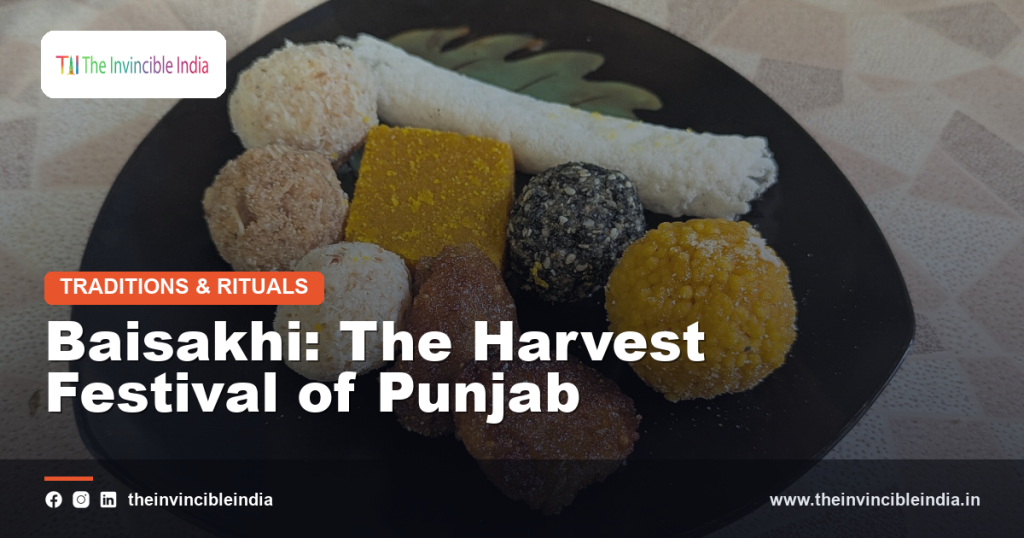
Baisakhi, also known as Vaisakhi, is one of the most joyous festivals of Punjab, a great celebration of the spring harvest that is filled with music, dance and festivity, and that also holds deep significance for the Sikhs. Coming at the time of the harvest of the winter crops, it is a festival of thanksgiving, prosperity and joy for the farming people of Punjab, celebrated with the exuberant dances of bhangra and gidda, colourful fairs and much merriment. For the Sikhs, the day is of special importance, marking the founding of the Khalsa. A festival of harvest, faith and joy, Baisakhi is one of the most vibrant of India’s celebrations. This guide explores the meaning, the harvest, the Sikh significance and the joyous celebrations of Baisakhi, a beloved festival of India’s traditions.
Quick Facts
| Detail | Information |
|---|---|
| Also called | Vaisakhi |
| Type | The harvest festival of Punjab |
| Timing | Celebrated in April, at the spring harvest |
| Sikh significance | Marks the founding of the Khalsa |
| Famous dances | Bhangra and gidda |
| Spirit | Harvest thanksgiving, faith and joy |
The Harvest Festival of Punjab
Baisakhi is one of the most joyous and important festivals of Punjab, a great celebration of the spring harvest and one of the most vibrant festivals of the region. Coming at the time when the winter crops are harvested, it is a festival of thanksgiving for the bounty of the harvest and the prosperity it brings to the farming people of Punjab, and it is celebrated with exuberant music, dance and festivity. Baisakhi is deeply cherished as a festival of the harvest and of the culture of Punjab. As the great harvest festival of Punjab, celebrated with thanksgiving and exuberant joy, Baisakhi holds a place of the highest importance among the festivals of the region and is one of the most vibrant celebrations of India.
A Celebration of the Harvest
At its heart, Baisakhi is a harvest festival, celebrating the gathering of the winter crops and giving thanks for the bounty and prosperity of the harvest. For the farming people of Punjab, the festival marks the culmination of months of labour and the reward of the harvest, and it is a time of thanksgiving, celebration and joy at the abundance of the crops. This celebration of the harvest is a foundational meaning of the festival. This character of Baisakhi as a celebration of the harvest, giving thanks for the bounty of the crops and the prosperity they bring, is a foundational meaning of the festival and connects it to the labour and the gratitude of the farming people of Punjab and to the ancient celebration of the earth’s abundance.
A New Year Festival
Baisakhi is also associated with the new year in the traditional solar calendar, and it marks a time of new beginnings, renewal and hope. Falling at an important moment in the solar year, the festival is regarded in several traditions as a new year celebration, a time of fresh beginnings, and this adds to its spirit of renewal and joy. Similar festivals marking the new year and the harvest fall at the same time in other regions of India. This association of Baisakhi with the new year and with new beginnings adds to the meaning of the festival, giving it a spirit of renewal and hope alongside its celebration of the harvest, and connecting it to the wider family of new year and harvest festivals across India.
The Founding of the Khalsa
For the Sikhs, Baisakhi is a day of the greatest significance, for it marks the founding of the Khalsa, the community of committed, initiated Sikhs, by the tenth Guru. On this day, according to Sikh tradition, the Guru founded the Khalsa, giving initiated Sikhs a distinct identity, a code of conduct and outward symbols of their faith, and calling them to lives of devotion, courage and service. This momentous event gives Baisakhi a special sacredness for the Sikhs. This marking of the founding of the Khalsa on Baisakhi is of the greatest significance for the Sikhs, giving the festival a deep religious meaning as the anniversary of the establishment of the community of committed Sikhs and a day of great importance in the Sikh faith.
A Sacred Day for the Sikhs
Because of its association with the founding of the Khalsa, Baisakhi is a sacred and important day for the Sikhs, celebrated with devotion as well as joy. Sikhs mark the day with visits to the gurdwara, with prayers, devotional singing and the sharing of the langar, the free community meal, and with the commemoration of the founding of the Khalsa and the teachings of the Gurus. The religious observance of the day is an important part of the festival for the Sikhs. This character of Baisakhi as a sacred day for the Sikhs, celebrated with devotion, prayer and the commemoration of the founding of the Khalsa, is an important dimension of the festival and reflects its deep religious significance in the Sikh faith alongside its celebration of the harvest.
The Bhangra Dance
One of the most famous and exuberant features of Baisakhi is the bhangra, the energetic and joyful folk dance of Punjab, performed with great enthusiasm during the festival. The bhangra, with its vigorous movements, its lively rhythm and its spirit of joy, is a wonderful expression of the exuberant celebration of the harvest, and it is performed by men at the festival, often to the beat of the dhol drum, in a spectacular display of energy and delight. The bhangra is a beloved emblem of Baisakhi and of Punjab. This famous and exuberant bhangra dance, performed with great enthusiasm during Baisakhi, is one of the most joyous features of the festival and a wonderful expression of the celebratory spirit of Punjab and the joy of the harvest celebration.
The Gidda Dance
Alongside the bhangra, the gidda is the lively and graceful folk dance performed by women during Baisakhi, adding to the joy and colour of the festival. The gidda, with its energetic yet graceful movements, its songs and its spirited performance, is the counterpart to the men’s bhangra, and it is performed by women with joy and enthusiasm at the festival. Together, the bhangra and the gidda fill the celebration with music, dance and delight. This gidda dance, the lively folk dance performed by women during Baisakhi, is a joyful and beautiful part of the festival, and together with the bhangra it fills the celebration with the music, dance and exuberant joy for which the festivals of Punjab are famous.
Fairs and Festivities
Baisakhi is celebrated with colourful fairs and festivities, which are a lively and joyous part of the festival in Punjab. Great fairs are held during the festival, filled with music, dance, food, games, stalls and entertainment, and drawing large crowds to celebrate the harvest and the festival together. These fairs are a vibrant and much-loved part of the celebration, bringing communities together in joy and festivity. This custom of colourful fairs and festivities during Baisakhi, filled with music, dance, food and entertainment, is a lively and joyous part of the festival and a wonderful expression of the community spirit and exuberant celebration that characterise the great harvest festival of Punjab.
Music and Song
Baisakhi is a festival of music and song, filled with the joyful sounds of folk music, the beat of the dhol drum, and the singing of traditional songs celebrating the harvest and the festival. The music of the festival, especially the driving rhythm of the dhol that accompanies the bhangra, is central to its joyous atmosphere, and folk songs celebrating the harvest, the season and the celebration are sung with delight. This music and song is a wonderful part of the festival. This central place of music and song in Baisakhi, from the beat of the dhol to the singing of joyful folk songs, is one of the most vibrant aspects of the festival and a wonderful expression of the exuberant celebratory spirit of the harvest festival of Punjab.
Traditional Attire
Baisakhi is celebrated with the wearing of bright and colourful traditional attire, which adds to the joy and beauty of the festival. People dress in vibrant traditional Punjabi clothes, often in bright and festive colours, for the celebration, the dances and the fairs, and the colourful attire of the dancers and the crowds adds greatly to the festive and joyous atmosphere of the festival. This wearing of colourful traditional dress is a delightful part of the celebration. This custom of wearing bright and colourful traditional attire during Baisakhi, especially by the dancers and at the fairs, adds greatly to the beauty, colour and festive joy of the festival and is a delightful expression of the exuberant celebratory spirit of the harvest festival of Punjab.
A Festival of Thanksgiving
As a harvest festival, Baisakhi is at heart a celebration of thanksgiving, expressing gratitude for the bounty of the harvest and the prosperity it brings to the people. The festival is imbued with a spirit of gratitude for the successful harvest and the abundance of the crops, and this thanksgiving is expressed both in the joyous celebrations and in the devotion of the religious observances. This spirit of thanksgiving is a foundational meaning of the festival. This character of Baisakhi as a festival of thanksgiving, expressing gratitude for the bounty of the harvest and the prosperity of the land, is a foundational meaning of the festival and connects the joyous celebrations to the deep gratitude of the farming people for the abundance of the harvest.
A Festival of Community
Baisakhi is a festival of community and togetherness, bringing the people of Punjab together in shared celebration, devotion and joy. Communities come together for the fairs, the dances, the gurdwara celebrations and the festivities, and the festival strengthens the bonds of family and community and fosters a spirit of togetherness and shared joy. This community dimension is central to the spirit of the festival. This character of Baisakhi as a festival of community and togetherness, bringing the people of Punjab together in shared celebration and devotion, is one of the most joyful aspects of the festival and reflects the strong community spirit and the shared joy that characterise the great harvest festival.
Celebrated Beyond Punjab
While Baisakhi is above all the great festival of Punjab, it is celebrated with joy and devotion by Punjabis and Sikhs across India and around the world, wherever they have settled. The festival has spread far beyond its Punjab heartland, and Punjabi and Sikh communities in cities across India and in many countries celebrate Baisakhi with fairs, dances, gurdwara services and festivities, keeping the tradition alive far from home. This spread reflects the importance of the festival to its people. This celebration of Baisakhi beyond Punjab, by Punjabi and Sikh communities across India and around the world, reflects the deep importance of the festival to its people and the way they have carried this joyous tradition wherever they have gone, keeping alive the celebration of the harvest and the Sikh faith.
A Festival of Harvest and Faith
Baisakhi is a beautiful blend of a harvest festival and a day of faith, uniting the joyous celebration of the harvest with the deep religious significance of the founding of the Khalsa. This combination gives the festival a rich and many-sided character, as a time of both exuberant celebration and devout observance, of both thanksgiving for the harvest and commemoration of a great moment in the Sikh faith. This blend of harvest and faith is at the heart of the festival’s meaning. This character of Baisakhi as a festival of both harvest and faith, uniting the joyous celebration of the harvest with the deep religious significance of the founding of the Khalsa, is one of its most distinctive aspects and gives the festival a rich, many-sided meaning cherished by the people of Punjab.
Baisakhi Today
Today Baisakhi remains one of the most joyous and important festivals of Punjab, celebrated with thanksgiving, devotion and exuberant festivity across the region and among Punjabi and Sikh communities around the world. The celebration of the harvest, the commemoration of the founding of the Khalsa, the exuberant bhangra and gidda dances, the colourful fairs and the joyous music all continue to be cherished, and the festival brings communities together each year in gratitude, faith and joy. In its beautiful blend of harvest thanksgiving, Sikh faith and exuberant celebration, Baisakhi endures as one of the most vibrant and beloved festivals of India.
Sources & Further Reading
- Ministry of Culture, Government of India, on the festivals of India (indiaculture.gov.in).
- Cultural and Sikh records on the festival of Baisakhi and the founding of the Khalsa.
Frequently Asked Questions
What is Baisakhi?
Baisakhi, also known as Vaisakhi, is the great harvest festival of Punjab, celebrating the spring harvest with music, dance and festivity. It also holds deep significance for the Sikhs, marking the founding of the Khalsa, and is celebrated with the exuberant bhangra and gidda dances.
Why is Baisakhi important for the Sikhs?
Baisakhi is of great significance for the Sikhs because it marks the founding of the Khalsa, the community of committed, initiated Sikhs, by the tenth Guru. Sikhs celebrate the day with visits to the gurdwara, prayers, devotional singing and the sharing of the langar.
What are the bhangra and gidda?
The bhangra is the energetic and joyful folk dance of Punjab performed by men during Baisakhi, often to the beat of the dhol drum, while the gidda is the lively folk dance performed by women. Together they fill the festival with music, dance and exuberant joy.
When is Baisakhi celebrated?
Baisakhi is celebrated in April, at the time of the spring harvest of the winter crops in Punjab. It is also associated with the new year in the traditional solar calendar and marks a time of new beginnings and renewal.
What does Baisakhi celebrate?
Baisakhi celebrates the bounty of the spring harvest with thanksgiving and joy, and it also commemorates the founding of the Khalsa, making it a festival of both harvest and faith, celebrated with exuberant music, dance, fairs and devotion.