


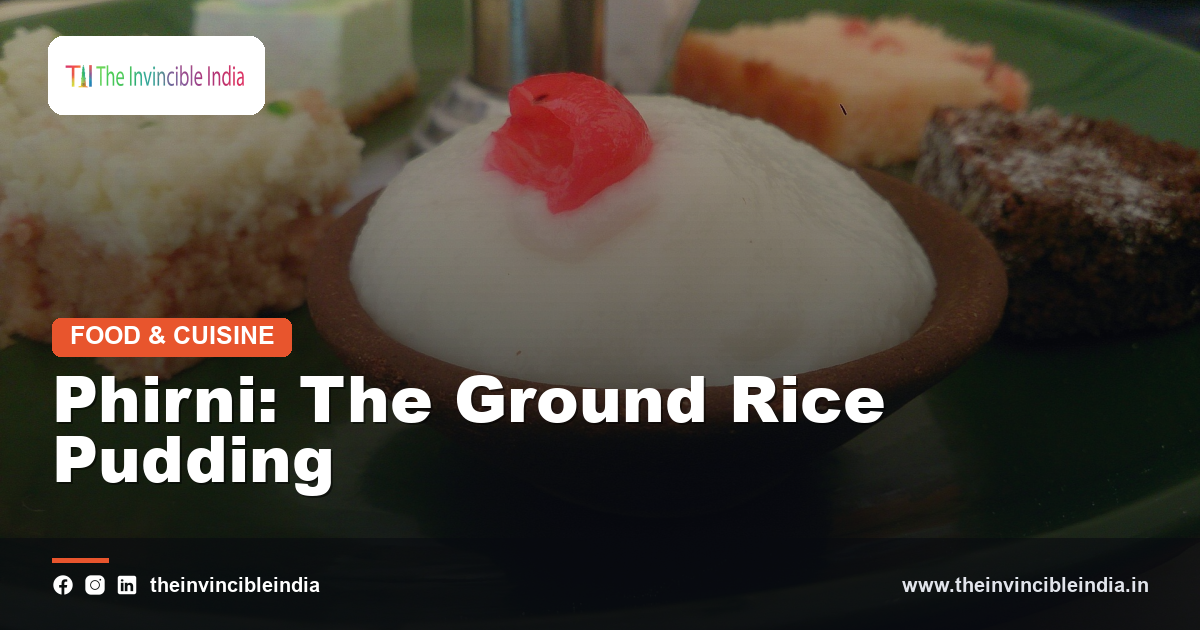
Phirni is a smooth, delicately perfumed pudding made by simmering coarsely ground rice in sweetened milk, then setting and chilling it, traditionally in shallow earthen bowls. Silky yet lightly textured, it is flavoured with cardamom, saffron and rose or kewra water and topped with chopped nuts. Long associated with North Indian feasts, weddings and festive occasions, it is especially cherished at the close of a celebratory meal. Often compared with kheer, it has its own distinct character, and it belongs to the great tradition of famous sweets of India. This guide explores phirni, its history, its method, its flavours and its place in Indian dining.
Quick Facts
| Detail | Information |
|---|---|
| Type | Chilled ground rice pudding |
| Region | North India, widely loved across the country |
| Main ingredients | Ground rice, milk, sugar, cardamom |
| Flavourings | Saffron, rose water or kewra, nuts |
| Served in | Traditional earthen bowls, served chilled |
| Occasions | Festivals, weddings and celebratory feasts |
What Is Phirni
Phirni is a traditional Indian dessert in which rice is ground to a coarse, sandy texture and cooked slowly in milk until it thickens into a soft, creamy mass. It is sweetened with sugar, scented with cardamom and often saffron, and then poured into small bowls to cool and set. Served chilled and garnished with pistachios, almonds or silver leaf, it offers a refreshing and elegant finish to a meal. Its appeal lies in the contrast between the smooth, pudding-like body and the faintly grainy character of the ground rice. As a refined, fragrant and festive sweet, phirni remains among the most loved milk-based desserts of the Indian subcontinent.
Origins and Historical Associations
Phirni is generally associated with the Mughal-influenced culinary traditions of North India, where rice, milk, dried fruit and fragrant essences were combined in refined courtly dishes. Its exact origin is not documented with certainty, and like many beloved sweets it likely developed gradually through the kitchens of royal households, festive gatherings and ordinary homes. The use of rose water, saffron and nuts reflects the broader cuisines of the region and their connections with Persian and Central Asian influences. Whatever its precise beginnings, the dessert has long been part of the festive repertoire. This blend of courtly refinement and domestic familiarity explains why phirni feels both luxurious and comforting.
Phirni and Kheer Compared
Phirni is often compared with kheer, since both are rice puddings cooked in milk, but the two are distinct. Kheer is usually made with whole or broken grains of rice that remain visible in the finished dish, producing a looser, more textured pudding often served warm or at room temperature. Phirni, by contrast, uses rice that has been ground, which gives a smoother, thicker and more cohesive consistency that sets as it cools. Kheer is commonly cooked for longer and may be served in a bowl or cup, while phirni is traditionally set in shallow clay dishes. The difference in the rice is the key, and it is what gives phirni its signature delicate, velvety feel.
The Choice of Rice
The rice used in phirni is typically a fragrant long-grain variety, most often basmati, which is soaked and then ground coarsely rather than into a fine flour. This coarse grind is crucial, as it allows the rice to thicken the milk while still giving the pudding a gentle, pleasing texture. The grains release starch as they cook, creating the creamy body that distinguishes the dish. The natural fragrance of basmati also adds a subtle aroma that pairs beautifully with cardamom and saffron. Selecting the right rice and grinding it to the correct consistency is the foundation of a successful phirni, and cooks regard it as the most important step.
Milk and Sweetness
Milk is the main body of phirni, and full-cream milk is preferred for its richness. It is simmered gently, and the ground rice is stirred in gradually to prevent lumps from forming. Sugar is added once the rice has softened, and the amount is adjusted to taste, as the dessert is meant to be sweet but not cloying. Some cooks reduce the milk for longer to deepen its flavour and enhance the creaminess, a practice that echoes the broader Indian tradition of slow-cooked, reduced milk sweets. The quality of the milk and the care taken during simmering have a direct effect on the final result, making the dairy base the true heart of this elegant dessert.
The Cooking Method
Preparing phirni calls for constant, patient stirring. The soaked rice is ground into a coarse paste with a little water or milk, then added to simmering milk in a slow stream while the cook stirs continuously. As the mixture thickens, the stirring prevents it from sticking to the base of the pan or forming lumps. Sugar and flavourings are added once the rice has fully cooked and the pudding coats the back of a spoon. The mixture is then removed from the heat and poured into serving dishes. The unhurried, attentive cooking is what produces the smooth, uniform texture for which a good phirni is admired.
Cardamom, Saffron and Fragrant Waters
The aroma of phirni comes from a carefully chosen set of flavourings. Ground green cardamom is the most characteristic, lending a sweet, floral warmth that is deeply associated with Indian desserts. Saffron strands, steeped in warm milk, add a golden tint and a delicate fragrance. Rose water or kewra water, made from the screwpine flower, may be sprinkled in at the end, bringing a perfumed lightness that evokes festive occasions. These essences are used with restraint, since their purpose is to enhance rather than overpower the creamy rice. The harmonious interplay of cardamom, saffron and floral water gives phirni its unmistakable and memorable fragrance.
Earthen Bowls and the Role of Clay
One of the most distinctive features of phirni is its traditional presentation in small, shallow earthen bowls, often called sakora or matka-style dishes. The unglazed clay is porous, and as the pudding cools, the bowl absorbs a little of the moisture, helping it set to a firm yet delicate consistency. The clay also imparts a subtle, earthy aroma that many people regard as essential to the experience. Serving dishes of this kind are inexpensive and rustic, which contrasts charmingly with the refined flavours inside. The use of clay vessels connects phirni to older traditions of Indian cooking and serving, and it gives the dessert much of its character and charm.
Garnishes and Presentation
Phirni is usually garnished with chopped or slivered nuts such as pistachios and almonds, whose green and cream colours stand out attractively against the pale pudding. Dried rose petals, saffron threads and, for grand occasions, edible silver leaf may be added for an extra touch of elegance. The garnish also contributes a contrast of texture, since the crunch of the nuts complements the smooth surface of the pudding. A simple presentation in individual clay bowls is considered attractive in its own right. Thoughtful garnishing turns an unpretentious pudding into a visually pleasing dessert, and it demonstrates the Indian regard for beauty alongside flavour.
Phirni at Festivals and Celebrations
Phirni is a familiar presence at festive tables across North India. It is commonly made for celebrations such as Eid, when families share sweets with relatives and neighbours, and it appears at weddings, receptions and other formal feasts, often as the final course after a rich meal of biryani, kebabs or curries. Its cool, creamy character offers a pleasing contrast to spiced and hot dishes, refreshing the palate. Hosts take pride in serving it, and guests look forward to it. The role of phirni in such gatherings underscores how food marks joy, hospitality and togetherness in Indian life, and why this gentle dessert is so closely tied to celebration.
Serving Phirni Chilled
Unlike many warm Indian puddings, phirni is meant to be enjoyed chilled, after it has been allowed to set in the refrigerator or in a cool place for several hours. Chilling firms the texture and intensifies the delicacy of its flavours, making it especially welcome in warm weather. It is usually served directly in the bowl in which it was set, accompanied by a small spoon. Some hosts keep it in the cool air overnight to allow the aromas to deepen. The cool serving temperature distinguishes phirni among Indian sweets and contributes greatly to its reputation as a refreshing and sophisticated dessert.
Variations of Phirni
While the classic phirni is flavoured with cardamom and saffron, many variations have emerged. Some cooks add mango pulp during the season, producing a fruity, golden version. Others include dried fruits, chopped nuts blended into the pudding, or flavour it with rose syrup. In some households, the pudding is made with a little condensed or reduced milk to enhance its richness, and some prefer a thicker texture while others like a looser consistency. Contemporary chefs occasionally serve it in glasses or layered with fruit. These adaptations reflect creativity within tradition, showing how phirni can accommodate personal taste while keeping its essential identity.
Nutritional Notes
Phirni is an energy-rich dessert, combining the carbohydrates of rice with the protein, calcium and fat of milk. The nuts add healthy fats, and the spices, particularly cardamom, are valued in Indian tradition for their aromatic and digestive qualities. Because it contains sugar and milk, it is considered a dessert to be enjoyed in moderation, typically in small servings at the end of a meal. The small earthen bowls in which it is traditionally served naturally encourage portion control. As a rich yet simple sweet, phirni offers pleasure and nourishment together, and it fits comfortably into a balanced festive meal.
Tips for Preparing Phirni at Home
Cooks preparing phirni at home can follow a few simple principles. Soaking the rice for a suitable time before grinding softens it, and the grind should remain coarse rather than powdery. Adding the rice paste slowly and stirring constantly prevents lumps. Sugar should be added after the rice has softened, since adding it early can hinder cooking. Allowing the pudding to thicken to the consistency of a thick custard is important, as it will set further when cooled. Using unglazed clay bowls, if available, adds to authenticity. With attention to texture and patience in stirring, a convincing and delicious phirni is well within reach of any home cook.
Phirni and the Indian Dessert Tradition
Phirni sits within a rich tradition of Indian milk-based sweets, a category that includes kheer, rabri, kulfi and numerous other preparations. What sets it apart is its use of ground rice, its serving in clay and its chilled elegance. It shares with other Indian desserts a reliance on slow cooking, fragrant spices and generous hospitality. Together, these sweets reflect the central role of dairy in Indian food culture and the importance given to the closing sweet course of a meal. Phirni holds a distinguished place within this family and offers a lighter, more delicate alternative to heavier confections.
Phirni Today
Today, phirni continues to be a beloved dessert in homes, restaurants and celebrations throughout India and in Indian communities abroad. It appears on festive menus, in wedding feasts and in sweet shops, often served in the traditional earthen bowls that preserve its charm. Chefs have introduced modern twists, yet the classic version remains the most admired. Its gentle sweetness, fragrant spices and creamy, cooling texture ensure its lasting appeal. As both an everyday indulgence and a festive treat, phirni stands as an enduring example of the refinement of Indian dessert-making and an essential part of the nation’s sweet heritage.
Sources & Further Reading
- Ministry of Culture, Government of India (indiaculture.gov.in).
- Indian Council of Agricultural Research (icar.org.in).
Frequently Asked Questions
What is phirni?
Phirni is a chilled North Indian pudding made from coarsely ground rice cooked in sweetened milk. It is flavoured with cardamom, saffron and rose or kewra water and topped with chopped nuts.
What is the difference between phirni and kheer?
Kheer uses whole or broken rice grains and is usually looser and often served warm. Phirni uses ground rice, giving a smoother, thicker consistency that sets as it cools.
Why is phirni served in earthen bowls?
Unglazed clay bowls absorb some moisture as the pudding cools, helping it set. They also add a subtle earthy aroma that is considered part of the traditional experience.
Which rice is used for phirni?
A fragrant long-grain rice such as basmati is typically used. It is soaked and ground coarsely rather than into a fine flour.
When is phirni usually served?
Phirni is a popular dessert at festivals such as Eid, at weddings and at other celebratory feasts. It is served chilled, usually at the end of the meal.