

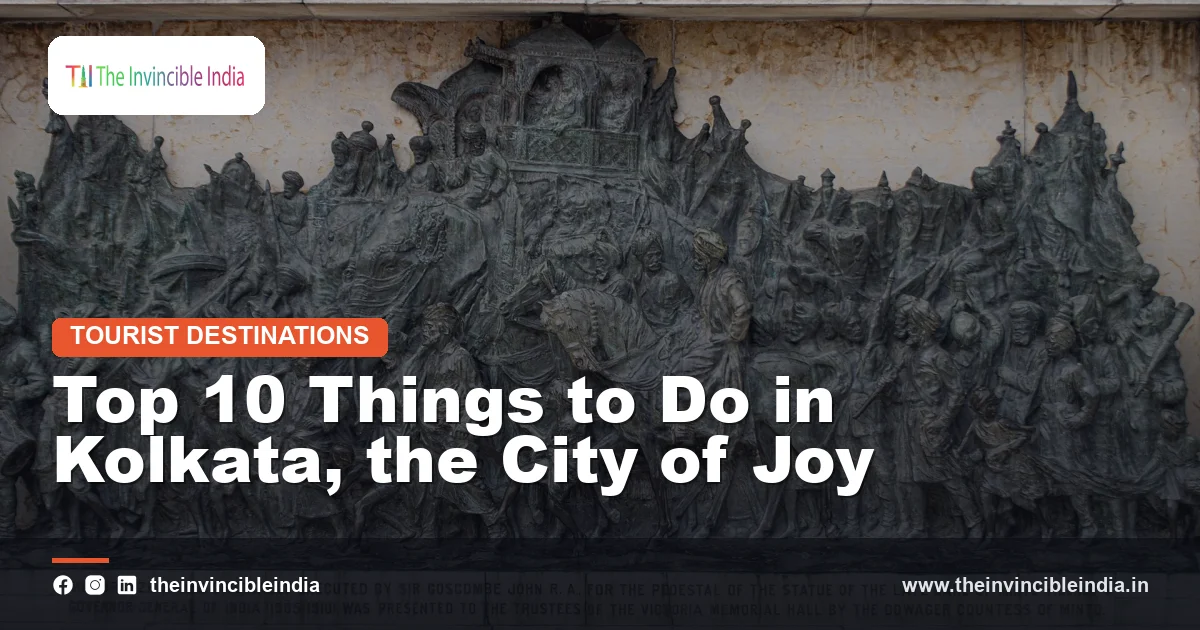
Kolkata, the capital of West Bengal and the former capital of British India until 1911, is the cultural heart of the country. Known affectionately as the “City of Joy,” it is a city of literature, art, grand colonial architecture, iconic trams, intellectual debate, political passion and unforgettable food. Warm, characterful and endlessly fascinating, Kolkata rewards the curious traveller. This detailed guide covers the top things to do in Kolkata and how to plan your visit.
Quick Facts
| State | West Bengal (capital) |
| Known as | City of Joy, cultural capital of India |
| Famous for | Durga Puja, literature, food, colonial heritage |
| Best time to visit | October to March |
Victoria Memorial
The magnificent Victoria Memorial, a gleaming white-marble monument set in lush gardens, was built between 1906 and 1921 in memory of Queen Victoria. Blending British and Mughal architectural elements, it now houses a museum with an excellent collection of paintings, sculptures and artefacts from the colonial era, and is the most iconic landmark of the city.
Howrah Bridge
An enduring symbol of Kolkata, the Howrah Bridge is a mighty cantilever bridge over the Hooghly River, opened in 1943. One of the busiest bridges in the world, carrying vast streams of vehicles and pedestrians, it is best appreciated at dawn or dusk, and the adjacent Mullick Ghat flower market is a riot of colour and activity.
Dakshineswar and Belur Math
On the banks of the Hooghly stand two of Kolkata’s most important spiritual sites. The Dakshineswar Kali Temple, dedicated to Goddess Kali, is closely associated with the 19th-century saint Ramakrishna Paramahamsa. Across the river, Belur Math is the serene headquarters of the Ramakrishna Mission, whose architecture beautifully unites the motifs of different religions.
Indian Museum
Founded in 1814, the Indian Museum in Kolkata is the oldest and largest museum in India. Its vast galleries span art, archaeology, natural history, fossils, Egyptian mummies, and priceless sculptures and antiquities, making it a treasure trove for anyone interested in the subcontinent’s history.
College Street and the Coffee House
College Street is home to Asia’s largest second-hand book market, a paradise for book lovers where narrow lanes overflow with volumes old and new. At its heart stands the historic Indian Coffee House, a legendary haunt of writers, students, artists and revolutionaries, where generations have gathered over coffee and conversation.
Park Street and Kumortuli
Park Street is the vibrant heart of Kolkata’s dining and nightlife, especially dazzling during Christmas and New Year celebrations, and home to historic restaurants and confectioners. In the north of the city, Kumortuli is the traditional potters’ quarter, where skilled artisans craft the magnificent clay idols of Durga and other deities, particularly in the run-up to Durga Puja.
Ride a Tram and Explore the Streets
Kolkata is home to India’s oldest operating tram network, and a leisurely tram ride is a charming, nostalgic way to see the city. Wandering its streets reveals grand colonial buildings, colourful markets like New Market, atmospheric para (neighbourhood) life, and the constant, warm buzz that gives the City of Joy its name.
Durga Puja: The City’s Greatest Festival
If there is one time to experience Kolkata at its most magical, it is during Durga Puja, the grand autumn festival recognised by UNESCO as intangible cultural heritage. For several days, the entire city is transformed into an open-air gallery of elaborate, artistic pandals housing beautiful idols, with music, food, lights and crowds filling the streets day and night in a spectacular celebration of art and devotion.
The Food of Kolkata
Kolkata is a food lover’s paradise. Its street food — kathi rolls, puchka (pani puri), jhalmuri and telebhaja — is legendary, while Bengali cuisine offers delights such as fish curries, shorshe ilish (hilsa in mustard), kosha mangsho and an unrivalled range of sweets like rosogolla, sandesh and mishti doi. Dining here is an essential part of any visit.
Best Time to Visit and How to Reach
The best time to visit Kolkata is between October and March, when the weather is pleasant, and Durga Puja (usually September or October) is the most spectacular time of all. Kolkata is well connected by air, rail and road, and serves as a gateway to eastern and northeastern India, including day and overnight trips to the Sundarbans and Shantiniketan.
Grand Mansions and Museums
Kolkata’s colonial and aristocratic past lives on in its grand mansions and museums. The opulent Marble Palace, a 19th-century mansion filled with sculptures, paintings and antiques, offers a glimpse of the city’s old elite, while the Jorasanko Thakur Bari, the ancestral home of Rabindranath Tagore, is now a moving museum dedicated to the great poet. Science City and the Birla Industrial and Technological Museum are popular with families and curious minds alike.
The Riverfront and Gardens
The banks of the Hooghly offer some of Kolkata’s most atmospheric experiences. Prinsep Ghat, with its elegant colonnaded memorial, is a favourite for evening strolls and boat rides, and a cruise on the river at sunset reveals the city from a new perspective. Across the river and around the city, gardens such as the sprawling Maidan — the “lungs of Kolkata” — and the Botanical Garden, home to one of the world’s largest banyan trees, provide green respite from the urban bustle.
A City of Literature and Cinema
Kolkata is the intellectual and artistic capital of India, the city of Nobel laureate Rabindranath Tagore and the legendary filmmaker Satyajit Ray. Its rich tradition of literature, theatre, art and cinema is alive in its bookshops, coffee houses, film societies, art galleries and adda (the beloved Bengali tradition of long, free-flowing conversation). Immersing yourself in this cultural life is one of the most rewarding aspects of a visit.
Festivals Beyond Durga Puja
While Durga Puja is the crown jewel of Kolkata’s festivals, the city celebrates throughout the year. Kali Puja and Diwali light up the autumn, Christmas transforms Park Street into a festival of lights, and events such as the Kolkata International Film Festival and the Kolkata Book Fair — one of the largest book fairs in the world — reflect the city’s enduring love of art and ideas.
Day Trips From Kolkata
Kolkata is a gateway to eastern India. The Sundarbans, the world’s largest mangrove forest and home to the Royal Bengal tiger, can be visited on boat safaris a few hours away. Shantiniketan, the university town founded by Tagore, offers art, culture and a tranquil rural atmosphere, while the terracotta temples of Bishnupur showcase Bengal’s unique architectural heritage. Each makes a rewarding excursion from the city.
Shopping and Practical Tips
Kolkata is wonderful for shopping, from the bustling New Market and Gariahat for textiles and everyday goods to Kumortuli for idols and the boutiques and emporiums selling exquisite Bengali handloom sarees such as tant and baluchari. The city is generally affordable and welcoming; the metro (India’s oldest) and app-based cabs make getting around easy, and the best time to visit is the cool, pleasant season from October to March.
Trams, Taxis and the Streets of Kolkata
Part of Kolkata’s unique charm lies in its streets. It is the last city in India to run a tram network, and a ride on these vintage trams is a nostalgic delight. The iconic yellow Ambassador taxis, the hand-pulled rickshaws of the old neighbourhoods, the colonial buildings in various states of grandeur and decay, and the ceaseless flow of life all give the city an atmosphere found nowhere else — a living, breathing museum of the twentieth century.
The Sweets of Bengal
Kolkata’s reputation for sweets is unrivalled in India. Bengali confectioners have perfected the art of milk-based sweets, and the city is the home of the beloved rosogolla (spongy cheese balls in syrup), the delicate sandesh, the creamy mishti doi (sweet yoghurt) served in earthen pots, and countless seasonal specialities such as the winter treats made from date palm jaggery (nolen gur). Visiting a historic sweet shop is a delicious rite of passage for any traveller.
The Colonial Legacy
As the capital of British India for nearly 150 years, Kolkata is filled with grand colonial architecture that tells the story of that era. Beyond the Victoria Memorial, landmarks such as the Writers’ Building, the General Post Office, St Paul’s Cathedral, the Town Hall and the elegant mansions of the old elite evoke the city’s past as the “second city of the British Empire.” Exploring this heritage, much of it concentrated around the BBD Bagh area, is a journey through a pivotal chapter of Indian history.
The Spirit of the City of Joy
Above all, what visitors remember about Kolkata is its spirit. Despite its challenges, the city radiates warmth, intellectual energy, artistic passion and an irrepressible love of life — expressed in its festivals, its food, its endless adda (conversation), its poetry and its politics. It is this indomitable, joyful spirit, more than any single monument, that has earned Kolkata its beloved title of the “City of Joy” and that leaves such a deep impression on all who visit.
Practical Tips for Visiting Kolkata
Kolkata is one of India’s most affordable and welcoming major cities. The metro — the oldest in India — along with buses, trams, yellow taxis and app-based cabs, makes getting around straightforward, though traffic can be heavy. The best time to visit is the cool, pleasant season from October to March, and Durga Puja is the most spectacular (and crowded) time of all. Dress comfortably, carry water, be prepared for lively crowds, and above all, come hungry — the city’s food is one of its greatest joys.
A City Like No Other
Kolkata is a city that gets under your skin. Its blend of intellectual depth, artistic passion, colonial grandeur, political energy and irrepressible warmth makes it utterly distinctive among Indian cities. From the grandeur of the Victoria Memorial to the buzz of College Street, from the artistry of Kumortuli to the flavours of a kathi roll enjoyed on a busy pavement, Kolkata offers experiences that are rich, authentic and deeply human. For the traveller willing to embrace its character, the City of Joy is unforgettable.
Experience the City of Joy
To visit Kolkata is to experience a city that lives and breathes culture, history and warmth in equal measure. Whether you spend your days admiring colonial monuments, browsing College Street, feasting on Bengali sweets, or losing yourself in the magic of Durga Puja, the City of Joy rewards curiosity and openness at every turn. It is a place that stays with you long after you leave, calling you back to its lively streets, its art and its irrepressible spirit.
Frequently Asked Questions
Why is Kolkata called the City of Joy?
Kolkata is called the “City of Joy” for its warm spirit, rich culture and the resilience and warmth of its people.
What is the oldest museum in India?
The Indian Museum in Kolkata, founded in 1814, is the oldest and largest museum in India.
When is the best time to visit Kolkata?
October to March is ideal, and Durga Puja is the most vibrant time to visit.
What food is Kolkata famous for?
Kolkata is famous for kathi rolls, puchka, Bengali fish dishes and sweets like rosogolla and sandesh.
What is Kumortuli?
Kumortuli is the traditional potters’ quarter of Kolkata, where the famous Durga idols are crafted.


