

Nestled in the foothills of the Himalayas where the sacred River Ganga rushes down from the mountains onto the plains, Rishikesh is one of India’s most captivating destinations. Known across the world as the “Yoga Capital of the World”, it is at once a centre of ancient spirituality and a hub of pulse-racing adventure sports. Pilgrims, seekers, backpackers and adrenaline junkies all find something here. This guide explores the many faces of Rishikesh — its ashrams and temples, its yoga and meditation, its thrilling white-water rafting and its unforgettable riverside atmosphere.
Quick Facts: Rishikesh
| Detail | Information |
|---|---|
| Location | Uttarakhand, foothills of the Himalayas |
| River | Ganga (Ganges) |
| Famous as | Yoga Capital of the World |
| Iconic landmarks | Laxman Jhula, Ram Jhula, Triveni Ghat |
| Adventure sports | White-water rafting, bungee jumping, camping |
| Best time to visit | September to November, February to May |
The Spiritual Heart of Rishikesh
Rishikesh has been a place of pilgrimage and meditation for thousands of years, mentioned in ancient scriptures and long associated with sages who came to the banks of the Ganga to seek enlightenment. The town is dotted with ashrams offering courses in yoga, meditation and Vedanta philosophy, drawing students from every corner of the globe. It is also the gateway to the Char Dham pilgrimage, the sacred journey to the Himalayan shrines of Yamunotri, Gangotri, Kedarnath and Badrinath.
One of the most moving experiences in Rishikesh is the Ganga Aarti, the nightly ritual of worship performed on the riverbanks, most famously at Parmarth Niketan and Triveni Ghat. As dusk falls, lamps are lit, bells ring, and hymns rise into the evening air while devotees float tiny leaf boats bearing flowers and flames upon the river — a sight of profound beauty and devotion.
Yoga and Meditation
Rishikesh earned its title as the Yoga Capital of the World for good reason. The town is home to countless yoga schools and ashrams offering everything from casual drop-in classes to intensive, internationally certified teacher-training courses. Each year the International Yoga Festival draws practitioners and masters from around the world for a week of classes, workshops and spiritual discourse on the banks of the Ganga.
The peaceful, sattvic environment — strictly vegetarian and alcohol-free within the town — makes Rishikesh an ideal place to deepen a yoga practice, learn meditation and pranayama, or simply find calm. Whether you are a complete beginner or a seasoned practitioner, the town offers an authentic setting to connect with the roots of these ancient disciplines.
The Beatles Ashram
Rishikesh gained global fame in 1968 when the Beatles arrived to study Transcendental Meditation at the ashram of Maharishi Mahesh Yogi. During their stay they composed a remarkable number of songs, many of which appeared on the famous “White Album”. The now-abandoned ashram, officially the Chaurasi Kutia and popularly the “Beatles Ashram”, has become a cultural pilgrimage site, its old meditation cells and domed huts covered in vibrant murals and graffiti celebrating the band and their music. It offers a fascinating, atmospheric walk through recent cultural history.
Adventure Capital: Rafting and Beyond
Alongside its spirituality, Rishikesh is India’s premier destination for white-water rafting. The stretch of the Ganga here offers thrilling rapids graded from gentle to challenging, drawing adventurers from across the country and the world. A typical rafting trip covers scenic distances downriver past forested hills and sandy beaches, with rapids bearing colourful names, providing an exhilarating mix of excitement and natural beauty.
Beyond rafting, Rishikesh offers a full menu of adventure activities: one of India’s highest bungee-jumping platforms, giant swings, ziplining across the river gorge, cliff jumping, and riverside camping under the stars. Trekking trails lead into the surrounding hills to waterfalls and viewpoints, making the area a year-round playground for outdoor enthusiasts.
Iconic Bridges and Ghats
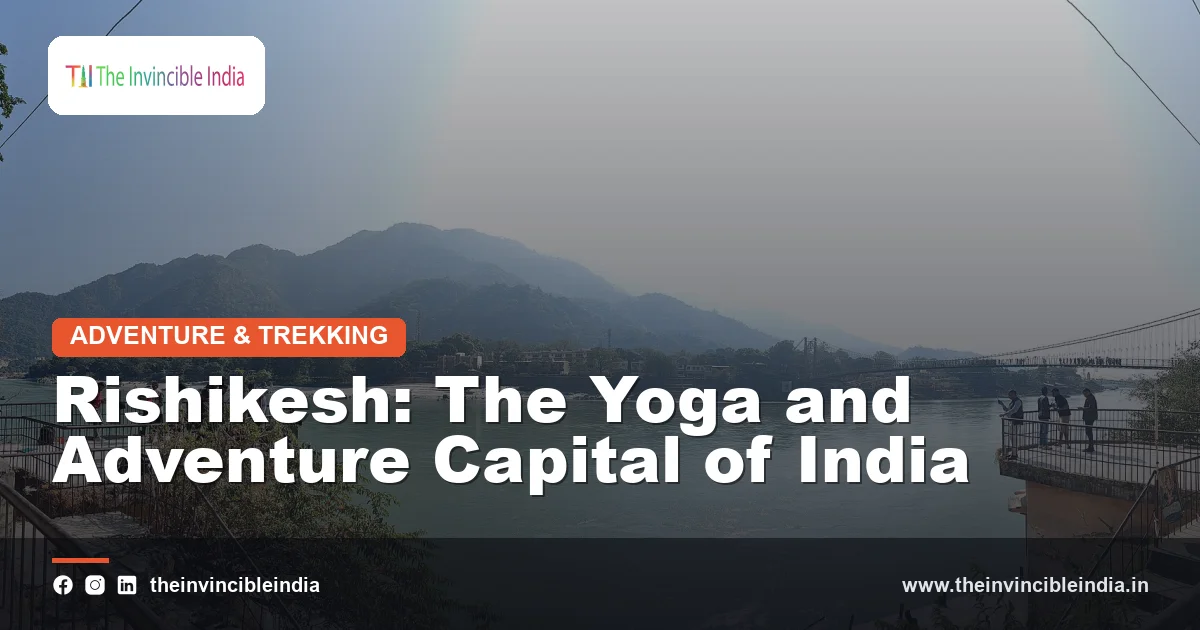
Two suspension bridges have long been the symbols of Rishikesh: Laxman Jhula and Ram Jhula, swaying footbridges over the Ganga that connect the temples, markets and ashrams on either bank. Crossing them, amid the bustle of pilgrims, sadhus, cows and shoppers, is a quintessential Rishikesh experience. The riverbanks are lined with ghats and temples, including the striking multi-storeyed Tera Manzil Temple, from where the views over the river and hills are spectacular.
Best Time to Visit
The most pleasant times to visit Rishikesh are the post-monsoon autumn months of September to November and the spring months of February to May, when the weather is mild and rafting operates in full swing. Summers can be warm, while the monsoon brings heavy rain that swells the river and suspends rafting. Winters are cool and peaceful, ideal for yoga retreats and spiritual pursuits.
Temples and Sacred Sites Around Rishikesh
Beyond its ashrams, Rishikesh and its surroundings are dotted with temples of great significance. The Neelkanth Mahadev Temple, set high in the forested hills about 30 kilometres away, is one of the most revered Shiva shrines in the region, associated with the legend of the churning of the ocean, and draws throngs of pilgrims, especially during the monsoon month of Shravan. The Bharat Mandir in the old town is considered the oldest temple in Rishikesh, while the Kunjapuri Devi Temple offers not only spiritual significance but also spectacular sunrise views of the Himalayan peaks, including Gangotri, Banderpunch and Chaukhamba, making it a favourite for early-morning excursions.
Nature and Trekking Around Rishikesh
The hills surrounding Rishikesh are laced with trails that reward walkers with waterfalls, forests and panoramic views. The popular walk to the Neer Garh Waterfall leads through pleasant woodland to a series of cascades and natural pools ideal for a refreshing dip. Rishikesh also serves as a base for longer Himalayan treks and as a starting point for journeys deeper into Uttarakhand. Wildlife enthusiasts can visit the nearby Rajaji National Park, home to elephants, deer and a variety of birds, adding a dimension of nature to a trip otherwise focused on spirituality and adventure.
The Atmosphere and Cafe Culture
Part of the unique charm of Rishikesh lies in its atmosphere — a blend of the sacred and the relaxed that is found nowhere else. The lanes around Laxman Jhula and Tapovan are lined with cafes serving healthy, international and vegetarian fare, from wholesome bowls and fresh juices to wood-fired pizzas, many with cushioned terraces overlooking the river. Shops sell rudraksha beads, gemstones, singing bowls, incense, spiritual books and colourful clothing. This gentle, unhurried culture, where travellers from around the world mingle with pilgrims and sadhus, makes Rishikesh a place many visitors find hard to leave.
Tips for Visiting Rishikesh
To make the most of a visit, dress modestly in keeping with the town’s spiritual character, especially when visiting temples and ashrams. Remember that Rishikesh is strictly vegetarian and alcohol-free. Carry cash for smaller shops and ashrams, wear comfortable footwear for the walking involved, and book adventure activities such as rafting through reputable, licensed operators for safety. If attending the Ganga Aarti, arrive early to find a good spot, and always treat the river and the rituals with respect. Mornings are the best time for yoga, sightseeing and adventure, leaving evenings free for the serene riverside aarti.
Choosing the Right Ashram or Yoga School
With so many ashrams and yoga schools in Rishikesh, choosing the right one depends on what you seek. Some ashrams, such as the well-known Parmarth Niketan and Sivananda tradition centres, offer a structured, disciplined spiritual environment with fixed schedules of yoga, meditation, satsang and simple communal living. Others cater to travellers wanting flexible drop-in classes, while numerous registered schools offer intensive, internationally recognised teacher-training courses for those wishing to become instructors. It is wise to research in advance, read reviews, and be clear about whether you want an immersive spiritual retreat, a certified course, or a more relaxed introduction to yoga, so that your experience matches your expectations.
Rishikesh Through the Seasons
Each season lends Rishikesh a different character. Spring, from February to May, brings pleasant weather ideal for both yoga and adventure, though it grows warm towards May. The monsoon, from June to September, cloaks the hills in lush green and swells the sacred Ganga, drawing pilgrims to the Neelkanth temple, though rafting is suspended for safety and landslides can affect mountain roads. Autumn, from September to November, is perhaps the finest time, with clear skies, comfortable temperatures and full-scale adventure activities. Winter, from December to February, is cool and serene, perfect for quiet yoga retreats and meditation, though warm clothing is needed for the chilly mornings and evenings.
Why Rishikesh Captivates
Few places in the world blend the spiritual and the adventurous as seamlessly as Rishikesh. Here you can begin the day with sunrise yoga overlooking the Ganga, spend the afternoon riding thrilling rapids or leaping from a bungee platform, and end the evening in quiet contemplation as lamps float down the sacred river during the aarti. It is a town where seekers find peace, adventurers find excitement, and everyone finds a warmth and energy that is difficult to describe but impossible to forget. This rare combination is what draws millions of visitors year after year and keeps Rishikesh firmly among India’s most beloved destinations.
Where to Stay in Rishikesh
Rishikesh offers accommodation to suit every kind of traveller. Ashrams provide simple, inexpensive rooms for those seeking an immersive spiritual stay with a fixed daily routine of yoga and meditation. The areas around Laxman Jhula, Tapovan and Swarg Ashram are dotted with budget guesthouses and backpacker hostels popular with young travellers, while upscale resorts and wellness retreats, many perched on the hills overlooking the Ganga or set amid forest on the outskirts, offer luxury, spas and panoramic views. Choosing a location near the river and the main footbridges keeps you close to the temples, cafes and the evening aarti, the heart of the Rishikesh experience.
A Journey for the Body and Soul
Whether you come to Rishikesh to deepen a yoga practice, to challenge yourself on the rapids of the Ganga, to explore ancient temples, or simply to sit by the river and watch the lamps drift by at dusk, the town offers a journey that nourishes both body and soul, leaving every traveller a little changed by the experience.
Frequently Asked Questions
Why is Rishikesh called the Yoga Capital of the World?
Rishikesh has been a centre of yoga, meditation and spiritual learning for centuries and is home to numerous ashrams and yoga schools offering authentic instruction, drawing students and teachers from all over the world.
Is Rishikesh good for adventure sports?
Yes. Rishikesh is India’s premier destination for white-water rafting on the Ganga, and also offers bungee jumping, ziplining, giant swings, cliff jumping, riverside camping and trekking.
What is the best time to visit Rishikesh?
The best times are September to November and February to May, when the weather is pleasant and adventure activities operate fully. The monsoon season suspends rafting due to high water levels.
Is alcohol and non-vegetarian food available in Rishikesh?
No. Rishikesh is a holy town where the sale of alcohol and non-vegetarian food is prohibited, in keeping with its sacred status on the banks of the Ganga.


