

Indian folk and tribal art is one of the richest and most vibrant living heritages of the country, a wealth of painting and craft traditions rooted in the villages and tribal communities of India. Created by ordinary people rather than trained academic artists, and passed down through generations, these arts are full of colour, life, imagination and meaning, drawing on nature, mythology, religion and the life of the community. From the famous painting styles of Madhubani, Warli, Gond and Pattachitra to a wealth of other regional traditions, Indian folk and tribal art is a glory of the country’s living cultural heritage. This guide explores the vibrant world of Indian folk and tribal art, its famous styles, its themes and its enduring vitality, one of the treasures of India’s art heritage.
Quick Facts
| Detail | Information |
|---|---|
| Type | The folk and tribal painting traditions of India |
| Creators | The village and tribal communities |
| Character | Colourful, vibrant and rooted in community life |
| Famous styles | Madhubani, Warli, Gond and Pattachitra |
| Themes | Nature, mythology, religion and daily life |
| Heritage | A vibrant living tradition passed down through generations |
A Living Heritage
Indian folk and tribal art is one of the richest and most vibrant living heritages of the country, a wealth of painting and craft traditions created by the ordinary people of the villages and tribal communities. Unlike the classical or academic art of trained artists, folk and tribal art is the art of the people, rooted in community life, tradition and belief, and passed down through generations, full of colour, imagination and meaning. It is a vibrant and living tradition. As a rich and vibrant living heritage of painting and craft, created by the village and tribal communities and passed down through generations, Indian folk and tribal art holds a cherished place in the country’s culture and is one of the most beautiful expressions of its living artistic tradition.
The Art of the People
Folk and tribal art is above all the art of the people, created not by trained academic artists but by ordinary members of the village and tribal communities, often as part of the rhythm of life, ritual and celebration. The art is made by the people for their own homes, festivals, rituals and community life, using traditional styles, motifs and techniques passed down through generations, so that it is deeply rooted in the culture and life of the community. This character as the art of the people is central to the tradition. This character of folk and tribal art as the art of the people, created by ordinary members of the community as part of the life, ritual and celebration of the village, is central to the tradition, and its deep rooting in the culture and life of the people is what gives it its authenticity and vibrant power.
Colour and Vibrancy
Indian folk and tribal art is renowned for its colour and vibrancy, its bold and beautiful use of colour, pattern and form filling its works with life and energy. Whether in the bright colours of the paintings, the striking patterns and motifs, or the lively depiction of figures, animals and nature, folk and tribal art has a vibrant beauty and a joyful energy that make it immediately appealing and delightful. This colour and vibrancy are a defining quality of the tradition. This colour and vibrancy of Indian folk and tribal art, with its bold and beautiful use of colour, pattern and form, are a defining quality of the tradition, and the joyful energy and vivid beauty of these works are among the great delights of the country’s folk artistic heritage.
Nature and Life
Folk and tribal art draws deeply on nature and the life of the community, depicting the natural world, the animals, plants and landscape, and the daily life, festivals and rituals of the people. The art is full of images of nature and of village and tribal life, reflecting the close bond of the communities with the natural world and with their own traditions and celebrations, and giving the art a warmth and authenticity rooted in real life. This depiction of nature and life is a central theme. This drawing on nature and the life of the community, depicting the natural world and the daily life, festivals and rituals of the people, is a central theme of Indian folk and tribal art, and the warmth and authenticity of these images of nature and life are among the most beloved qualities of the tradition.
Mythology and Religion
Folk and tribal art also draws deeply on mythology and religion, depicting the gods and goddesses, the stories of the epics and myths, and the sacred beings and beliefs of the communities. Many folk paintings depict deities, episodes from the great epics and myths, and the sacred stories and figures of the people’s religion, so that the art is often devotional and ritual in purpose, made for worship, festival and sacred occasion. This religious dimension is important in folk art. This drawing on mythology and religion, depicting the deities, the stories of the epics and myths, and the sacred beliefs of the communities, is an important dimension of Indian folk and tribal art, and the devotional and sacred purpose of much of the art gives it a deep spiritual as well as aesthetic significance.
The Madhubani of Bihar
One of the most famous and beautiful styles of Indian folk art is Madhubani, or Mithila painting, from the Mithila region of Bihar, celebrated for its intricate and colourful designs. Traditionally created by women on the walls and floors of homes and now also on paper, Madhubani painting depicts deities, nature, scenes and symbols in beautiful, intricate patterns filled with colour, and it has become world-famous as a treasure of Indian folk art. Madhubani is one of the glories of the tradition. This Madhubani or Mithila painting of Bihar, celebrated for its intricate and colourful designs depicting deities, nature and symbols, and traditionally created by women, is one of the most famous and beautiful styles of Indian folk art and a world-renowned treasure of the country’s living artistic heritage.
The Warli of Maharashtra
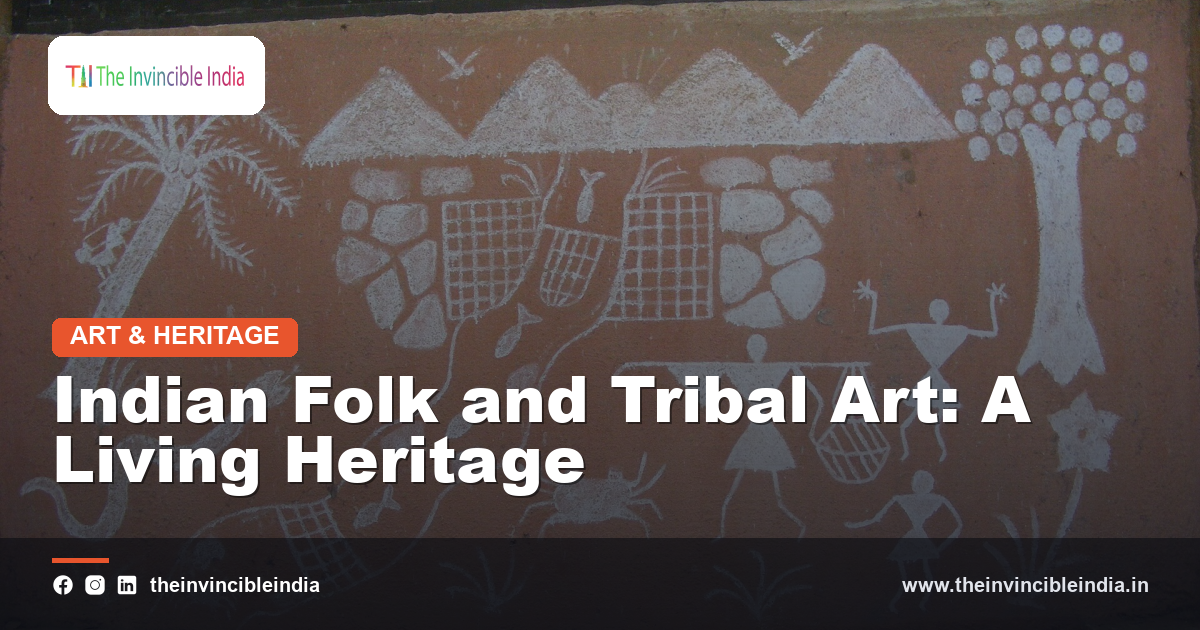
Another famous style of Indian tribal art is Warli painting, the art of the Warli tribal community of Maharashtra, celebrated for its simple, beautiful depictions of life and nature. Warli painting, traditionally created on the walls of homes in white on an earth-coloured ground, uses simple geometric shapes to depict figures, animals, nature and scenes of village and tribal life, dance and celebration, with a distinctive charm and grace. Warli art is a beloved and famous tribal tradition. This Warli painting of Maharashtra, the tribal art celebrated for its simple, beautiful depictions of life and nature in white on an earth-coloured ground, is one of the most famous styles of Indian tribal art and a beloved and distinctive expression of the country’s living folk heritage.
The Gond Art of Central India
The Gond art of central India, the painting tradition of the Gond tribal community, is another famous and beautiful style, celebrated for its vibrant depictions of nature and myth. Gond painting depicts animals, birds, trees, nature and the myths and beliefs of the community in a distinctive style filled with colour, pattern and intricate dots and lines, and it has gained wide fame as a beautiful tribal art tradition. Gond art is a vibrant and beloved style. This Gond art of central India, the tribal painting tradition celebrated for its vibrant depictions of nature and myth filled with colour, pattern and intricate detail, is another famous and beautiful style of Indian tribal art and a delightful expression of the country’s living folk artistic heritage.
The Pattachitra of the East
The Pattachitra of the eastern regions, especially Odisha and Bengal, is a famous and beautiful tradition of scroll and cloth painting, celebrated for its depiction of religious themes. Pattachitra painting, created on cloth or specially prepared surfaces, depicts deities, especially the beloved forms of the divine, and episodes from mythology in a rich, intricate and colourful style with fine detail and traditional motifs, and it is a treasured folk and religious art. Pattachitra is a glory of eastern folk art. This Pattachitra of the eastern regions, the famous tradition of scroll and cloth painting celebrated for its rich, intricate depictions of deities and mythology, is a beautiful and treasured style of Indian folk art and a glory of the living artistic heritage of eastern India.
A Wealth of Styles
Beyond these famous styles, India possesses a wonderful wealth of other folk and tribal art traditions, each with its own distinctive style, themes and techniques, reflecting the great diversity of the country. Across the regions and communities, there are many beautiful traditions of folk painting and art, each developed within its own culture and passed down through generations, so that Indian folk and tribal art embraces a rich variety of styles beyond the most famous names. This wealth of styles is a glory of the tradition. This wonderful wealth of folk and tribal art styles beyond the most famous names, each with its own distinctive character and rooted in its own community, is a glory of the tradition and reflects the great diversity of the country, so that India’s folk art is a vast and varied treasure-house of living traditions.
The Role of Women
Women have played a central role in many traditions of Indian folk art, as the creators and keepers of the art, passing it down through the generations. In many folk traditions, especially those associated with the home, ritual and festival, it is the women who create the paintings and decorations, learning the art from their mothers and grandmothers and passing it on to their daughters, so that women are the guardians of much of this living heritage. This role of women is important in folk art. This central role of women in many traditions of Indian folk art, as the creators and keepers of the art who pass it down through the generations, is an important feature of the tradition, and the artistry of the women of the villages and communities is fundamental to the country’s rich living heritage of folk art.
From Wall to Canvas
Traditionally created on the walls and floors of homes and on other everyday surfaces, many folk arts have in modern times moved onto paper, canvas and other portable forms, gaining wider fame and appreciation. As folk and tribal arts have become recognised and admired beyond their communities, the artists have adapted their traditional styles to paper, canvas and other media, so that the arts can be shared, sold and appreciated more widely, bringing recognition and livelihood to the artists. This move has helped the arts flourish. This move of many folk arts from wall to canvas, adapting the traditional styles to portable forms for wider appreciation, has helped the traditions to flourish and gain recognition in modern times, bringing fame and livelihood to the folk artists while carrying their beautiful heritage to a wider world.
Recognition and Revival
In modern times, Indian folk and tribal art has gained wide recognition and appreciation, and efforts to promote and support the traditions have helped many of them to revive and flourish. The beauty and value of folk and tribal art are now widely recognised, and the arts are promoted, exhibited, collected and supported, bringing fame to the styles and their artists, so that many traditions that faced decline have been revived and now flourish. This recognition and revival are important for the future of the arts. This recognition and revival of Indian folk and tribal art in modern times, and the efforts to promote and support the traditions, have helped many of them to flourish, and the growing appreciation of the beauty and value of folk art is important for the survival and future of this rich living heritage.
A Vibrant Living Tradition
Above all, Indian folk and tribal art is a vibrant living tradition, still created by the artists of the villages and communities and still full of life, colour and meaning, even as it adapts to modern times. The arts continue to be made, passed down and appreciated, both in their traditional settings of home, ritual and festival, and in new forms for a wider world, so that folk and tribal art remains a living and flourishing part of the country’s culture. This living vitality is the glory of the tradition. This character of Indian folk and tribal art as a vibrant living tradition, still created by the communities and still full of life, colour and meaning, is the glory of the heritage, and the continuing vitality of these beautiful arts is a wonderful expression of the enduring creativity of the people of India.
Indian Folk and Tribal Art Today
Today Indian folk and tribal art flourishes as a celebrated and vibrant living heritage, admired across India and the world for its colour, beauty and imagination. The famous styles of Madhubani, Warli, Gond and Pattachitra, and the wealth of other regional traditions, continue to be created by the artists of the communities and appreciated by a wide public, and efforts to promote and support the arts help them to thrive. The beauty and vitality of the tradition continue to delight and inspire. As a rich and vibrant living heritage of painting and craft, created by the village and tribal communities and passed down through generations, Indian folk and tribal art endures as one of the most beautiful and beloved expressions of the country’s living cultural heritage.
Sources & Further Reading
- Ministry of Culture, Government of India, on the folk and tribal arts of India (indiaculture.gov.in).
- Lalit Kala Akademi, national academy of art, on the art traditions of India.
Frequently Asked Questions
What is Indian folk and tribal art?
Indian folk and tribal art is the vibrant living heritage of painting and craft created by the village and tribal communities of India, rather than trained academic artists. Full of colour and meaning, it includes famous styles such as Madhubani, Warli, Gond and Pattachitra.
What are the famous styles of Indian folk art?
Famous styles of Indian folk and tribal art include Madhubani or Mithila painting from Bihar, Warli painting of the Warli tribe of Maharashtra, Gond art of central India, and Pattachitra scroll painting of the eastern regions, along with a wealth of other regional traditions.
What is Warli painting?
Warli painting is the tribal art of the Warli community of Maharashtra, celebrated for its simple, beautiful depictions of figures, animals, nature and scenes of village life, dance and celebration, traditionally created using simple geometric shapes in white on an earth-coloured ground.
What themes does folk and tribal art depict?
Indian folk and tribal art depicts nature and the natural world, the daily life, festivals and rituals of the community, and mythology and religion, including the deities and the stories of the epics and myths, reflecting the life, beliefs and traditions of the people.
Is Indian folk art still practised today?
Yes, Indian folk and tribal art is a vibrant living tradition, still created by the artists of the villages and communities. It has gained wide recognition, moved onto paper and canvas for a wider world, and many traditions have been revived and now flourish.


