

Within the broad devotional landscape described in our guide to Hindu gods and goddesses, Shaktism stands out as the tradition that places the Divine Mother, or Shakti, at the very center of worship, honoring the feminine principle as the supreme, dynamic power underlying the universe. Shaktas, as followers of this tradition are known, approach the goddess in forms ranging from gentle and nurturing to fierce and formidable, reflecting a theology that embraces the full range of creative and protective divine power. Shaktism has shaped temple worship, regional festival life, philosophical inquiry, and artistic expression across many parts of India for centuries. This guide surveys its historical roots, core beliefs, major goddess forms, scriptures, and the living practices through which devotion to the Divine Mother continues today.
Quick Facts
| Detail | Information |
|---|---|
| Tradition | Shaktism |
| Principal Focus | The Divine Mother (Shakti) |
| Followers Called | Shaktas |
| Popular Forms | Durga, Kali, Parvati |
| Key Scriptures | Devi Mahatmya, Devi Bhagavata Purana |
| Major Festival | Navaratri |
Origins and Historical Roots
Shaktism traces its origins to ancient veneration of goddess figures associated with fertility, protection, and the natural world, traditions that existed alongside and gradually merged with the wider Vedic religious framework over many centuries. As devotional and philosophical literature developed during the classical and medieval periods, these diverse goddess traditions coalesced into a more unified theology recognizing a single supreme feminine principle manifesting in many forms. Royal patronage, temple construction, and the composition of extensive texts devoted specifically to the goddess gave Shaktism an increasingly organized presence across various regions of India. Regional goddess traditions, from village guardian deities to grand temple cults, contributed distinct elements to this evolving theological synthesis. This long, layered historical development accounts for both the antiquity of goddess worship in India and the remarkable diversity found within Shaktism today.
The Concept of Shakti
At the core of Shaktism lies the concept of Shakti, understood as the dynamic, creative energy or power that animates the universe and makes divine action possible. Followers of this tradition regard Shakti not as a secondary or dependent force but as the supreme reality itself, often personified as the Divine Mother who both creates and sustains all existence. This theological emphasis positions the feminine principle as fully equal to, or in some interpretations even prior to, other conceptions of ultimate reality within Hindu thought. Shakti is understood to manifest through countless forms and names, allowing devotees enormous flexibility in how they approach and relate to the divine feminine. This foundational concept gives Shaktism its distinctive theological identity, centered on power, creativity, and maternal care as expressions of ultimate reality.
Forms of the Goddess
The Divine Mother is worshipped through a wide array of forms, each emphasizing different aspects of her character and cosmic function. Gentle, nurturing forms such as Parvati represent maternal care, devotion, and domestic harmony, while more dynamic warrior forms such as Durga embody protective strength and the triumph of order over chaos. Fierce forms such as Kali represent the goddess’s power to confront and transform darkness, destruction, and the passage of time itself, a symbolism approached by devotees with reverence rather than fear. Regional traditions across India have developed countless additional local goddess forms, each with distinctive iconography, mythology, and ritual practice. This vast range of goddess forms allows Shaktism to address nearly every dimension of human experience, from tender nurture to fierce protection, within a single, coherent devotional framework.
Shakta Scriptures
Shaktism draws upon a distinct body of scripture devoted specifically to the goddess, most notably a revered text recounting her mighty deeds in overcoming great cosmic adversity, recited widely during major goddess festivals. Additional Puranic literature devoted to the goddess elaborates her many forms, mythology, and theological significance in considerable depth. Tantric texts associated with Shakta tradition provide detailed ritual and meditative guidance for advanced practitioners, addressing the goddess as the central focus of contemplative practice. Regional devotional poetry composed by Shakta saints in various Indian languages further enriches this textual heritage, bringing goddess devotion into popular song and recitation. Together, these scriptural sources sustain both the ritual and philosophical dimensions of Shakta religious life across diverse communities and regions.
Shakta Philosophy
Shakta philosophy generally holds that ultimate reality is best understood through the dynamic, active principle of Shakti rather than through a purely static or passive conception of the divine. This perspective often works alongside broader Hindu philosophical frameworks, presenting consciousness and creative energy as complementary and inseparable aspects of a single underlying reality. Some Shakta thinkers describe the relationship between the individual soul and the Divine Mother in terms of loving devotion and eventual union, while others develop more elaborate cosmological and ritual systems centered on the goddess. This philosophical framework provides a foundation for the tradition’s rich array of contemplative and ritual practices. By centering ultimate reality on active, creative power rather than passive stillness alone, Shakta philosophy offers a distinctive and influential contribution to the broader landscape of Hindu thought.
Tantra and Shaktism
Shaktism maintains a close historical relationship with Tantric traditions, which developed elaborate ritual, meditative, and symbolic systems centered on the goddess as the embodiment of cosmic power and creative energy. Within this framework, practitioners engage in structured meditation, mantra recitation, and ritual worship intended to recognize and align with the divine energy understood to pervade both the universe and the practitioner’s own being. Tantric approaches to the goddess are generally transmitted through structured lineages of teachers and disciples, reflecting the disciplined and often advanced nature of this practice. While popular imagination sometimes sensationalizes Tantra, within Shakta tradition it is approached as a serious, disciplined spiritual path aimed at recognizing sacred power in all aspects of existence. This dimension adds considerable depth and complexity to the wider Shakta devotional and philosophical landscape.
Shakti Peethas and Pilgrimage
Shaktism maintains an extensive pilgrimage tradition centered on sites believed to hold particular sanctity as seats of the Divine Mother’s power, drawing devotees from across India who undertake journeys to these locations as acts of devotion and spiritual discipline. These pilgrimage sites are often associated with distinctive local legends and forms of the goddess, giving each location its own unique devotional character within the broader Shakta framework. Temples at these sites typically host elaborate rituals and are especially crowded during major festival periods, when pilgrimage activity intensifies considerably. Physical journey to a sacred site is understood within Shakta practice as both an act of devotion and a means of spiritual purification. This widespread pilgrimage network helps bind Shakta devotees across different regions of India into a shared devotional geography centered on the goddess.
Worship Practices and Rituals
Devotion to the Divine Mother is expressed through a range of ritual practices, including daily offerings of flowers, vermilion, and food at home shrines and temples, alongside the recitation of sacred names and hymns dedicated to her many forms. Elaborate temple rituals mark significant festival days, often including ceremonial bathing of the deity’s image, special decoration, and extended periods of devotional singing. Many devotees observe fasting on days considered especially sacred to the goddess, viewing such disciplined practice as an expression of devotion and self-purification. Household worship of the goddess is common across Hindu communities, often integrated with broader domestic religious practice regardless of formal Shakta affiliation. These varied practices, spanning grand temple ceremony and simple household devotion, together sustain a vibrant and accessible devotional culture surrounding the Divine Mother.
Navaratri and Major Shakta Festivals
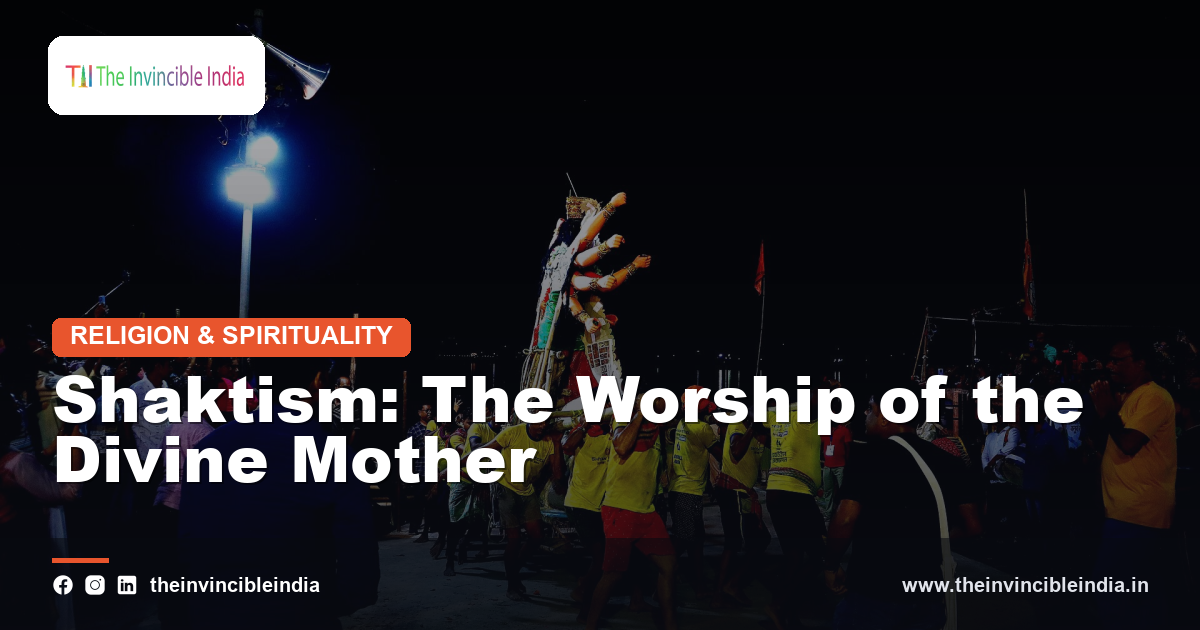
The Shakta calendar centers on an extended annual festival period dedicated to the worship of the Divine Mother across her various forms, observed with fasting, nightly worship, devotional dance, and elaborate temple decoration in communities throughout India. In many regions, this festival period culminates in grand public celebrations featuring large, artistically crafted images of the goddess, processions, and communal festivities that draw entire communities together. Regional variations in how this festival is observed reflect local traditions, mythology, and artistic styles, while sharing a common devotional focus on the goddess’s protective and creative power. Other festivals throughout the year honor specific goddess forms or local traditions, further enriching the annual devotional calendar. These vibrant celebrations translate Shakta theology into joyous, shared public expression that reinforces both individual devotion and community identity.
Regional Traditions of Goddess Worship
Goddess worship displays remarkable regional diversity across India, with particular forms and festival traditions closely associated with specific states and communities. In parts of eastern India, elaborate public worship of certain goddess forms during major festival seasons has become a defining feature of regional cultural identity, involving extensive community organization and artistic craftsmanship. In southern India, goddess worship is often closely integrated with village and temple traditions, reflecting distinct local mythologies and ritual practices developed over many centuries. Other regions maintain their own distinctive combinations of goddess devotion, blending pan-Indian Shakta theology with local deities and customs. This regional variety illustrates how Shaktism has continually absorbed and reflected local devotional traditions while maintaining a shared theological core centered on the Divine Mother.
Goddess Worship in Village and Folk Traditions
Beyond major temples and pan-Indian goddess forms, countless village and folk traditions across India center on local guardian goddesses believed to protect specific communities, fields, or natural features from harm. These local goddess traditions, often maintained through oral tradition and modest shrine worship rather than elaborate temple architecture, represent some of the oldest continuous forms of goddess devotion in the subcontinent. Village festivals honoring these local goddesses frequently involve community-wide participation, seasonal timing tied to agricultural cycles, and distinctive local ritual practices. Over time, many such local goddesses have become associated or identified with pan-Indian forms recognized within broader Shakta theology, illustrating the tradition’s capacity for absorbing and honoring local belief. This grassroots dimension of goddess worship remains a vital, living component of Shaktism across rural India.
Shaktism and the Bhakti Movement
Shaktism intersected meaningfully with the broader Bhakti movement, which emphasized heartfelt personal devotion to a chosen deity as the most direct path to spiritual fulfillment. Devotional poets and saints within the Shakta tradition composed songs and verses expressing intense personal love for the Divine Mother, often addressing her with the intimate, tender language usually reserved for a mother or close family member. These compositions helped popularize goddess devotion far beyond formal ritual or scholarly circles, embedding Shakta theology within regional song and community worship. The emotional accessibility emphasized by the Bhakti movement resonated strongly with the intimate, maternal imagery already central to Shakta devotion. This connection between Shaktism and Bhakti sentiment remains evident in the continued popularity of devotional goddess songs across many regions of India today.
Shaktism in Art and Iconography
The Divine Mother’s many forms have inspired an extraordinarily rich tradition of sculpture, painting, and craft across Indian art history, with artisans depicting her gentle and fierce aspects alike in stone, bronze, textile, and clay. Temple sculpture frequently presents elaborate scenes of the goddess in her role as protector and vanquisher of chaos, rendered with dynamic movement and detailed ornamentation. Seasonal festival traditions have generated distinctive regional crafts centered on creating temporary artistic images of the goddess for public celebration, showcasing considerable artistic skill and creativity. Textile and folk art traditions across India also frequently incorporate goddess imagery and symbolism into everyday decorative and ritual objects. This deep and continuing artistic engagement reflects how thoroughly reverence for the Divine Mother has been woven into India’s broader visual and material culture.
Shaktism's Relationship with Vaishnavism and Shaivism
Shaktism exists within a broader Hindu devotional landscape alongside Vaishnavism and Shaivism, and the three traditions frequently intersect rather than remaining entirely separate, since many Hindu households and temples honor Vishnu, Shiva, and the Divine Mother together within a shared devotional framework. The goddess is often understood as the active power inseparable from Shiva in particular, and their combined worship reflects an integrated theological vision in which male and female divine principles are seen as complementary rather than competing. Many Shakta goddesses are also recognized within Vaishnava and Shaiva mythology in their own right, further blurring rigid sectarian boundaries. This interconnected devotional landscape allows most Hindu worshippers to honor multiple traditions without contradiction. Such theological flexibility is characteristic of how these major devotional streams have historically coexisted and enriched one another across Indian religious life.
Shaktism Today
Shaktism remains a vibrant and widely practiced tradition within contemporary Hinduism, its major festivals continuing to draw enormous public participation and its temples remaining active centers of pilgrimage and daily worship. Interest in goddess-centered spirituality, including its philosophical and contemplative dimensions, continues to attract both scholarly attention and popular devotion within India and among diaspora communities abroad. Modern media has extended access to Shakta festival celebrations, devotional music, and temple ceremonies to wider audiences than ever before. At the same time, deeply rooted local and village goddess traditions continue largely unchanged, sustained through generations of community practice. This combination of grand public celebration and intimate local devotion ensures that Shaktism remains a dynamic, living tradition central to Hindu religious life today.
Sources & Further Reading
- Ministry of Culture, Government of India (indiaculture.gov.in).
- Sangeet Natak Akademi (sangeetnatak.gov.in).
Frequently Asked Questions
What is Shaktism?
Shaktism is a major Hindu devotional tradition centered on worship of the Divine Mother, or Shakti, honored as the supreme creative and protective power underlying the universe and manifesting through many goddess forms.
What are the main forms of the goddess in Shaktism?
Popular forms include Parvati, associated with maternal devotion, Durga, a protective warrior goddess, and Kali, a fierce form representing transformation, alongside countless regional and local goddess forms.
What is Navaratri?
Navaratri is a major annual Shakta festival period dedicated to worshipping the Divine Mother across her various forms, observed with fasting, nightly worship, devotional dance, and community celebration throughout India.
How does Shaktism relate to Tantra?
Shaktism shares a close historical relationship with Tantric traditions, which developed structured ritual and meditative practices centered on recognizing the goddess as embodying sacred creative power throughout the universe.
Is Shaktism separate from Vaishnavism and Shaivism?
Not strictly. Many Hindu households and temples honor the Divine Mother alongside Vishnu and Shiva together, reflecting an integrated devotional outlook in which these traditions frequently intersect rather than remaining rigidly separate.


