

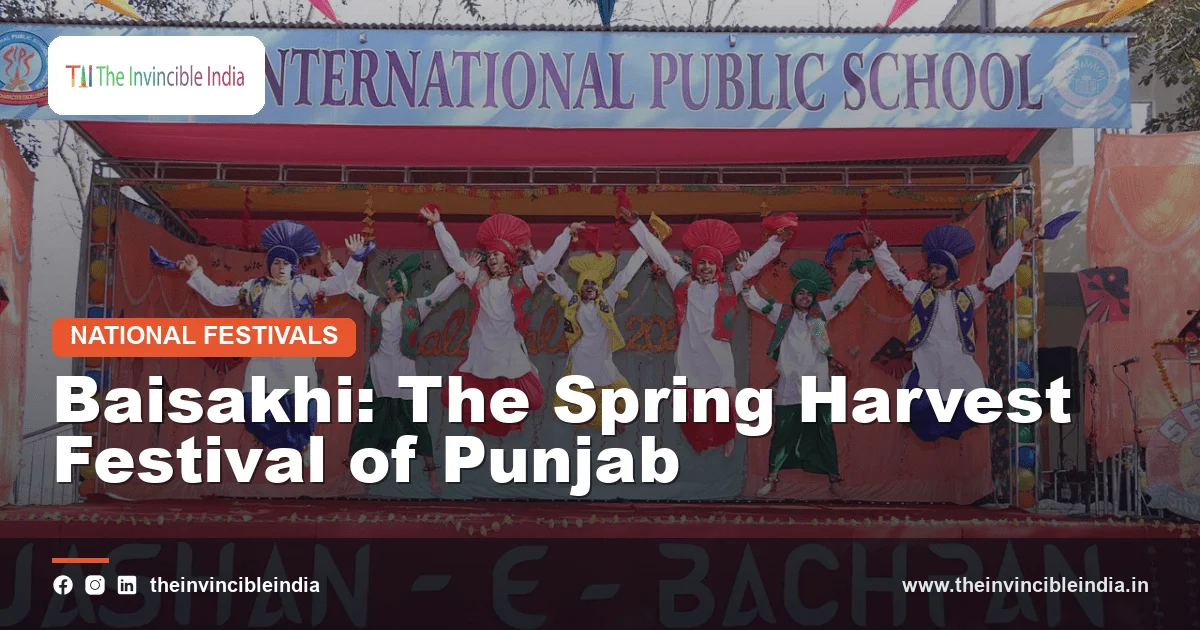
Baisakhi, also spelled Vaisakhi, is one of the most important festivals of India, celebrated with great joy and devotion, particularly in Punjab and among Sikh communities around the world. Marking both the spring harvest and a pivotal moment in Sikh history, it is a festival of thanksgiving, celebration and deep religious significance. Falling in mid-April, Baisakhi fills the fields and streets with vibrant colour, energetic folk dance, and heartfelt prayer. This guide explores the history, meaning and joyful celebrations of this beloved festival.
Quick Facts: Baisakhi
| Detail | Information |
|---|---|
| Region | Punjab and Sikh communities worldwide |
| When | 13 or 14 April |
| Marks | Spring harvest and the founding of the Khalsa |
| Religious significance | Formation of the Khalsa in 1699 by Guru Gobind Singh |
| Folk dances | Bhangra and Gidda |
| Also marks | The Sikh and Hindu solar new year |
The Harvest Festival
At its heart, Baisakhi is a harvest festival, celebrating the ripening of the rabi (winter) crops, especially wheat, which is the mainstay of Punjab’s agriculture. For the farmers of the region, it is a time of thanksgiving and joy, marking the reward of months of hard work. The fields turn golden, and communities come together to celebrate the bounty of the land with feasting, music and the exuberant folk dances of bhangra and gidda, performed to the beat of the dhol drum, expressing the pure joy and energy of the season.
The Founding of the Khalsa
Baisakhi holds profound religious significance for Sikhs, as it commemorates the founding of the Khalsa, the community of initiated Sikhs, by the tenth Guru, Guru Gobind Singh, in 1699 at Anandpur Sahib. On this historic day, the Guru called upon his followers, initiated the first five beloved ones, known as the Panj Pyare, and established the Khalsa, giving Sikhs a distinct identity, code of conduct and the shared name Singh (lion) and Kaur (princess). This momentous event transformed the Sikh community and made Baisakhi one of the most sacred days in the Sikh calendar.
Celebrations and Traditions
Baisakhi is celebrated with great enthusiasm and devotion. Sikhs visit gurudwaras, especially the Golden Temple in Amritsar and Anandpur Sahib, to offer prayers and participate in special services. Processions known as Nagar Kirtan, led by the Panj Pyare, wind through towns and villages with singing, music and the sharing of langar (community meals). Fairs and community gatherings feature bhangra and gidda performances, traditional food, and colourful festivities. People wear bright new clothes and greet one another with warmth, making Baisakhi a joyful blend of the spiritual and the celebratory.
The Historical Significance of Baisakhi
Baisakhi carries deep historical importance beyond its agricultural roots. The year 1699 marks the transformative moment when Guru Gobind Singh, the tenth Sikh Guru, established the Khalsa at Anandpur Sahib. On that Baisakhi day, before a great gathering, the Guru famously called for volunteers willing to give their lives for their faith. Five men stepped forward one by one, and these became the Panj Pyare, the “five beloved ones”, the first initiated members of the Khalsa. The Guru administered a new initiation ceremony and gave the Sikhs the five articles of faith and a shared identity, uniting them into a distinct and courageous community dedicated to justice, equality and service. This event reshaped Sikhism and gave Baisakhi its profound spiritual meaning.
Baisakhi and the Freedom Struggle
Baisakhi also holds a sombre place in the history of India’s freedom struggle. It was on Baisakhi day, 13 April 1919, that the tragic Jallianwala Bagh massacre took place in Amritsar, when a large, peaceful gathering, including many who had come to celebrate the festival, was fired upon on the orders of a British officer, resulting in a horrific loss of innocent lives. This event shocked the nation and became a turning point in the independence movement, galvanising Indians in their resolve for freedom. Today, the Jallianwala Bagh memorial stands as a solemn reminder of this sacrifice, adding a layer of historical remembrance to the festival for many.
Bhangra, Gidda and Folk Traditions
No celebration of Baisakhi is complete without the exuberant folk dances of Punjab. Bhangra, performed traditionally by men, is a high-energy dance full of leaps, kicks and vigorous movements, expressing the joy of the harvest, while Gidda, performed by women, is graceful and lively, often accompanied by witty folk couplets known as bolis. Both are danced to the powerful beat of the dhol drum, filling the air with rhythm and celebration. These dances, along with traditional Punjabi songs, colourful attire and festive fairs, capture the vibrant, warm-hearted spirit of Punjab and are central to the joyous atmosphere of Baisakhi.
Baisakhi Celebrations at the Gurudwaras
For the Sikh community, the religious observance of Baisakhi centres on the gurudwaras, the Sikh places of worship. Devotees rise early, bathe, and visit the gurudwara to offer prayers and listen to kirtan (devotional singing) and readings from the Guru Granth Sahib, the Sikh holy scripture. The Golden Temple in Amritsar and the historic Anandpur Sahib, where the Khalsa was born, witness especially grand celebrations, drawing vast numbers of pilgrims. The langar, the free community kitchen that serves meals to all regardless of background, embodies the Sikh values of equality and selfless service, and is a cherished part of the celebrations.
The Spirit and Universal Appeal of Baisakhi
Baisakhi beautifully brings together the agricultural, the historical and the spiritual, making it a festival of many layers of meaning. It celebrates the generosity of nature and the reward of hard work, commemorates a defining moment in Sikh history, and expresses the values of courage, equality, service and community that lie at the heart of the Sikh faith. Its joyous spirit, expressed in dance, music, prayer and feasting, transcends religious boundaries and is shared by people across Punjab and beyond. Wherever Punjabi and Sikh communities have made their homes around the world, Baisakhi is celebrated with enthusiasm, keeping alive a rich heritage of faith, culture and joyful thanksgiving.
Baisakhi Across India
While Baisakhi is most closely associated with Punjab and the Sikh community, the day is marked by harvest and new-year celebrations across many parts of India under different names, all falling around the same time in mid-April. In Assam it is celebrated as Rongali Bihu, in West Bengal as Poila Boishakh, in Kerala as Vishu, in Tamil Nadu as Puthandu, and in Odisha as Maha Vishuba Sankranti or Pana Sankranti. Each of these marks the solar new year and the harvest with its own distinctive customs, foods and festivities. This widespread observance reflects the deep significance of the harvest and the changing seasons in Indian culture, and shows how a single moment in the solar calendar is celebrated with joy across the diverse regions of the country.
The Foods of Baisakhi
Food is an essential part of the joyous Baisakhi celebrations, and Punjabi cuisine offers a hearty and delicious festive spread. Traditional dishes enjoyed during the festival include the beloved combination of sarson da saag (a dish of mustard greens) and makki di roti (cornflour flatbread), rich and creamy dishes, and a variety of sweets. Sweet rice dishes, kheer, and refreshing drinks such as lassi and sweetened milk are also popular. At the gurudwaras, the langar serves simple, wholesome vegetarian meals to all. The sharing of festive food, whether at home, at community fairs or in the gurudwara, adds to the warmth, generosity and celebratory spirit that define Baisakhi.
The Enduring Importance of Baisakhi
Baisakhi remains one of the most significant and joyously celebrated festivals in India because it unites so many meanings in a single day, the thanksgiving of the harvest, the profound spiritual commemoration of the founding of the Khalsa, and the celebration of Punjabi culture and identity. It is a festival that speaks to the farmer’s gratitude for the land, to the Sikh’s devotion to faith and community, and to everyone’s love of music, dance and togetherness. Celebrated with equal fervour in the villages of Punjab and in Sikh communities around the world, Baisakhi continues to embody the values of courage, equality, service and joyful thanksgiving that make it so deeply cherished.
Anandpur Sahib and the Golden Temple
Two places hold special significance during Baisakhi. Anandpur Sahib, in Punjab, is where Guru Gobind Singh founded the Khalsa in 1699, making it the spiritual home of the festival, and it witnesses grand celebrations, processions and gatherings of devotees who come to honour this momentous event in Sikh history. The Golden Temple (Harmandir Sahib) in Amritsar, the holiest shrine in Sikhism, also sees vast numbers of pilgrims on Baisakhi, who come to offer prayers, take a dip in the sacred sarovar (pool), and participate in the special services. The atmosphere at these historic sites during Baisakhi is one of profound devotion, joy and community.
The Colours and Joy of the Festival
Baisakhi is above all a festival of vibrant colour, energy and joy that captures the warm-hearted spirit of Punjab. The golden wheat fields ready for harvest, the bright and colourful traditional attire, the rhythmic beat of the dhol, the exuberant bhangra and gidda dances, and the bustling fairs with their food, sweets and festivities create an atmosphere of pure celebration. It is a time when communities come together to rejoice in the bounty of nature, honour their faith and heritage, and share in the happiness of the season. This joyful, inclusive spirit is what makes Baisakhi such a beloved and unforgettable festival.
Baisakhi Around the World
Wherever Sikh and Punjabi communities have settled around the globe, from the United Kingdom, Canada and the United States to Australia and beyond, Baisakhi is celebrated with great enthusiasm and pride. Grand Nagar Kirtan processions wind through cities, gurudwaras hold special services and langars, and community events feature bhangra, gidda, Punjabi food and festivities that welcome people of all backgrounds. These celebrations not only keep the traditions of the homeland alive for younger generations but also share the rich heritage, values and joyful spirit of Punjab with the wider world, making Baisakhi a truly global festival of harvest, faith and community.
A Celebration for Every Heart
Baisakhi, with its blend of harvest joy, spiritual meaning and cultural vibrancy, is a festival that speaks to every heart. It reminds us to be grateful for the gifts of nature, to honour our faith and heritage, and to celebrate life with our families and communities. Whether in the golden fields of Punjab or in Sikh communities across the world, its spirit of thanksgiving, courage and joy continues to shine brightly year after year.
Frequently Asked Questions
What is Baisakhi?
Baisakhi is a major spring harvest festival celebrated in Punjab, which also commemorates the founding of the Khalsa by Guru Gobind Singh in 1699, making it deeply significant for Sikhs.
When is Baisakhi celebrated?
Baisakhi is celebrated on 13 or 14 April each year, marking the spring harvest and the solar new year in the Sikh and Hindu calendars.
Why is Baisakhi important for Sikhs?
Baisakhi commemorates the day in 1699 when Guru Gobind Singh founded the Khalsa, giving Sikhs a distinct identity and code of conduct, making it one of the holiest days in the Sikh calendar.
How is Baisakhi celebrated?
Baisakhi is celebrated with prayers at gurudwaras, Nagar Kirtan processions, community meals (langar), fairs, and the energetic folk dances of bhangra and gidda, along with feasting and festivities.


