

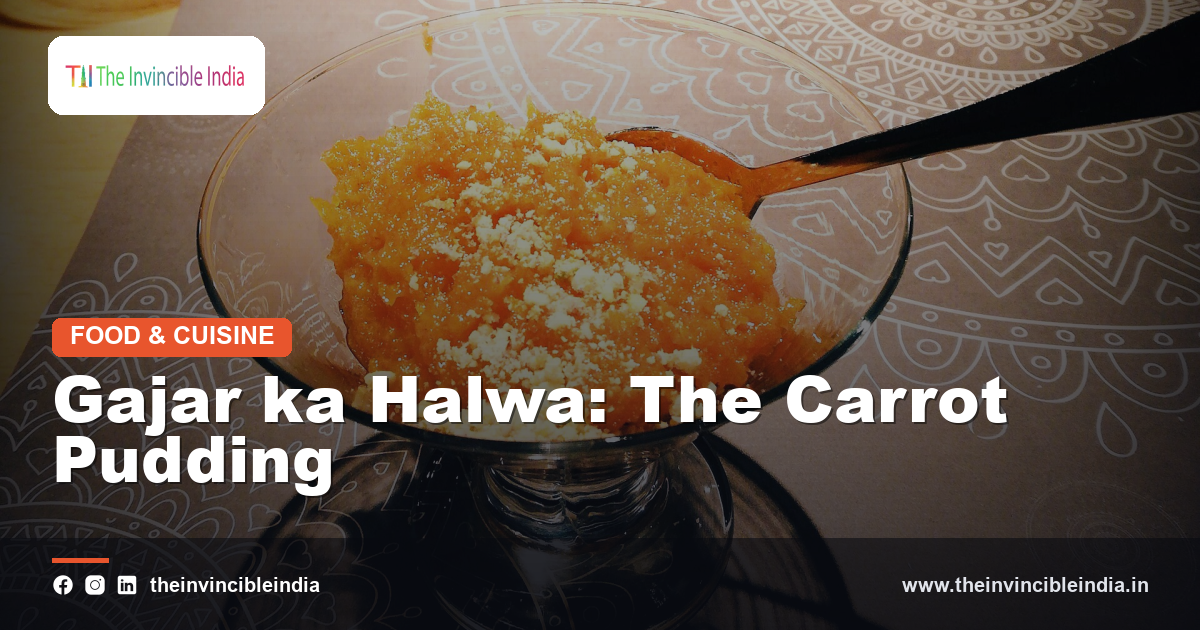
Gajar ka halwa is North India’s beloved winter dessert, made by slow-cooking grated carrots in milk until they soften and reduce, then enriching the mixture with ghee, sugar and a generous scattering of nuts to produce a warm, fragrant pudding. Deeply tied to the winter season, when red carrots are at their sweetest, it appears at family gatherings, weddings and festivals across North India and beyond. Much as the wider tradition of famous sweets of India often turns humble seasonal produce into festive indulgence, gajar ka halwa exemplifies that transformation using little more than carrots, milk and patience. This guide explores gajar ka halwa, its preparation, its seasonal character and its enduring place in India’s culinary heritage.
Quick Facts
| Detail | Information |
|---|---|
| Type | A slow-cooked carrot and milk pudding |
| Main ingredients | Grated carrots, milk, ghee and sugar |
| Region | North India, especially Punjab and Delhi |
| Season | Winter, when red carrots are sweetest |
| Usually garnished with | Almonds, cashews and pistachios |
| Occasion | Weddings, festivals and winter family gatherings |
What Is Gajar ka Halwa
Gajar ka halwa is a traditional Indian dessert made by grating carrots and slow-cooking them in milk until the mixture reduces and thickens, after which ghee, sugar and nuts are added to finish the pudding. The lengthy cooking process concentrates the natural sweetness of the carrots while the milk lends a creamy, rich body to the final dish. It is typically served warm, though it is also enjoyed at room temperature or occasionally with a scoop of ice cream. As a slow-cooked carrot and milk pudding of this kind, gajar ka halwa holds a cherished place among India’s classic winter desserts.
Origins and Seasonal Roots
Gajar ka halwa is closely tied to North India’s winter season, when red carrots, sweeter and more tender than other varieties, come into harvest and are used generously in household kitchens for precisely this purpose. Its development reflects a broader regional practice of transforming seasonal produce into rich, warming desserts suited to the cold winter months. Punjab and Delhi in particular are strongly associated with the dish’s popularity and refinement over generations. This seasonal grounding in North India’s winter carrot harvest explains why gajar ka halwa remains so closely associated with the colder months of the year.
Choosing the Right Carrots
The choice of carrot matters considerably in preparing gajar ka halwa, with the deep red winter carrot variety favoured for its natural sweetness, tender texture and vivid colour compared with the more common orange carrots available year-round. These red carrots, grown specifically during the cooler months, are considered essential by many traditional cooks for achieving the dish’s characteristic flavour and hue. Orange carrots are used as a substitute when red ones are unavailable. This careful selection of the right carrot variety is one of the most important factors influencing the final quality of the halwa.
Grating and Preparing the Carrots
Preparing gajar ka halwa begins with carefully washing, peeling and finely grating the carrots, a step that affects both the cooking time and the final texture of the dessert. Finer gratings tend to cook down more quickly and produce a smoother halwa, while coarser gratings retain more bite. This preparatory stage, though simple in concept, requires patience given the volume of carrots typically needed for a proper batch. This careful grating and preparation of the carrots sets the foundation for the long, slow cooking process that follows.
The Slow Cooking Process
The heart of making gajar ka halwa lies in its slow cooking process, in which grated carrots are simmered in milk over a gentle flame for an extended period, stirred frequently to prevent sticking and to encourage even reduction. This patient cooking allows the milk to be fully absorbed and the carrots to soften completely while their natural sugars concentrate. Rushing this stage with high heat risks scorching the milk or leaving the carrots undercooked. This unhurried, attentive cooking process is what gives properly made gajar ka halwa its rich, deeply developed flavour.
The Role of Milk and Khoya
Milk forms an essential part of gajar ka halwa, providing both moisture for the initial cooking and the creamy richness that develops as it reduces alongside the carrots. Many traditional recipes also incorporate khoya, or reduced milk solids, added toward the end of cooking to deepen the dessert’s richness and give it a slightly grainy, luxurious texture. Some modern versions use condensed milk as a shortcut for a similar effect. This central role of milk, and often khoya, in the recipe is what distinguishes gajar ka halwa from simpler, drier carrot preparations.
Ghee and Its Finishing Touch
Ghee is added generously toward the later stages of cooking gajar ka halwa, both enriching the flavour and helping the mixture achieve a glossy, well-bound consistency as the moisture from the milk fully evaporates. A final tempering of ghee is sometimes added just before serving, releasing a fragrant aroma that enhances the overall eating experience. The quality of the ghee used has a noticeable effect on the final result. This generous use of ghee as a finishing touch is considered essential to achieving an authentic and richly flavoured gajar ka halwa.
Nuts and Garnishes
Chopped almonds, cashews and pistachios are the classic garnishes for gajar ka halwa, added both during cooking for flavour and sprinkled on top before serving for visual appeal and textural contrast. Some recipes also include raisins, which plump slightly as they cook within the mixture, adding small bursts of sweetness. A light dusting of ground cardamom is often added for fragrance as well. These nuts and garnishes elevate gajar ka halwa from a simple carrot pudding into a dessert fit for celebration and festive occasions.
Gajar ka Halwa in Winter Gatherings
Gajar ka halwa is strongly associated with winter family gatherings across North India, often prepared in large batches to be shared among relatives and guests during the colder months when the dish is at its seasonal best. Its warm, comforting character suits the cooler weather particularly well, and many households consider its preparation an anticipated seasonal ritual. Extended family visits during winter often prompt a fresh batch to be made. This close association with winter gatherings gives gajar ka halwa a distinctly seasonal and communal significance within North Indian food culture.
Gajar ka Halwa at Weddings and Festivals
Beyond everyday winter enjoyment, gajar ka halwa is a common feature at weddings and festivals across North India, served either on its own or alongside other traditional sweets as part of a festive spread. Its rich, warming character and impressive presentation, especially when garnished generously with nuts, make it well suited to celebratory occasions. Some caterers prepare it in large quantities specifically for winter wedding seasons. This prominent role at weddings and festivals highlights the dessert’s significance as more than simply a household treat.
Regional and Modern Variations
While the classic milk-based preparation remains most common, variations of gajar ka halwa exist, including quicker versions using condensed milk or khoya to reduce cooking time, and lighter versions that use less ghee for a less indulgent result. Some modern adaptations incorporate the dessert into fusion desserts such as gajar ka halwa cheesecake or ice cream. These variations reflect changing lifestyles and tastes while the essential character of the dish remains recognisable. This range of regional and modern variations demonstrates the enduring flexibility of the basic gajar ka halwa recipe.
Serving Traditions
Gajar ka halwa is traditionally served warm, often in small bowls, sometimes accompanied by a scoop of vanilla ice cream or a dollop of fresh cream for contrast between hot and cold. It is generally offered as a dessert at the end of a meal, though it is equally enjoyed on its own as an afternoon treat during the winter months. Reheating gently before serving is common when the halwa has been prepared in advance. These serving traditions reflect the dish’s flexibility as both a formal dessert and a casual seasonal indulgence.
Nutritional Character of Gajar ka Halwa
Gajar ka halwa benefits from the natural nutrition of carrots, though its generous use of milk, sugar, ghee and nuts makes it a rich dessert best enjoyed in moderation rather than as an everyday food. Its preparation without refined flour or excessive processed ingredients gives it a somewhat wholesome reputation compared with other fried or heavily processed sweets. Smaller portions are often served given its richness. This balance between natural ingredients and indulgent preparation defines gajar ka halwa’s place within a broader festive dessert tradition.
Gajar ka Halwa Beyond India
As Indian communities have settled internationally, gajar ka halwa has travelled with them, prepared in homes and served at Indian restaurants abroad, particularly during the winter months when the mood for warm, comforting desserts is strongest. Its relatively simple ingredient list makes it achievable even where red winter carrots are unavailable, since standard orange carrots can be substituted. It often introduces newcomers to North Indian dessert traditions more broadly. This international presence reflects the strong emotional connection many families maintain to this classic winter sweet.
Household Recipes and Family Tradition
Gajar ka halwa is often the subject of closely held family recipes, with particular proportions of milk, ghee and sugar, along with the preferred cooking time, passed down through generations of home cooks. Many families consider the dish a marker of the winter season itself, preparing their first batch as soon as good quality red carrots appear in local markets. The lengthy, hands-on cooking process is sometimes shared among family members, turning preparation into a small seasonal ritual in its own right. Elders in a household are frequently regarded as the most reliable judge of when the halwa has reached the correct consistency. This strong tradition of household recipes reinforces gajar ka halwa’s place as a dish tied as much to memory and family as to taste.
Gajar ka Halwa Today
Today gajar ka halwa remains one of North India’s most cherished winter desserts, prepared in homes, sweet shops and restaurants each year as the cold season brings fresh red carrots to market, and served generously at family gatherings, weddings and festivals alike. Its continued popularity reflects a recipe that rewards patience with genuinely comforting flavour. Home cooks continue to treasure their own family recipes and techniques for the dish. As a rich, slow-cooked carrot pudding of enduring appeal, gajar ka halwa stands as a defining winter contribution to India’s culinary heritage.
Sources & Further Reading
- Ministry of Tourism, Government of India, on the cuisines of India (tourism.gov.in).
- Culinary references on North Indian dessert and sweet-making traditions.
Frequently Asked Questions
What is gajar ka halwa made of?
Gajar ka halwa is made from grated carrots slow-cooked in milk until reduced and thickened, then enriched with ghee, sugar and nuts such as almonds, cashews and pistachios.
Why is gajar ka halwa a winter dish?
Gajar ka halwa is closely tied to winter because red carrots, which are sweeter and more tender than other varieties, are harvested during the colder months and are considered essential for the best flavour and colour.
What is the difference between gajar ka halwa and carrot halwa?
Gajar ka halwa and carrot halwa refer to the same dish; gajar is the Hindi word for carrot, so the two names describe an identical slow-cooked carrot and milk pudding.
Is gajar ka halwa served hot or cold?
Gajar ka halwa is traditionally served warm, sometimes with a scoop of vanilla ice cream or fresh cream for contrast, though it is also enjoyed at room temperature as a seasonal treat.
Is gajar ka halwa vegetarian?
Yes, gajar ka halwa is vegetarian, made from carrots, milk, ghee, sugar and nuts, though it contains dairy and is therefore not suitable for those following a strict vegan diet.


