

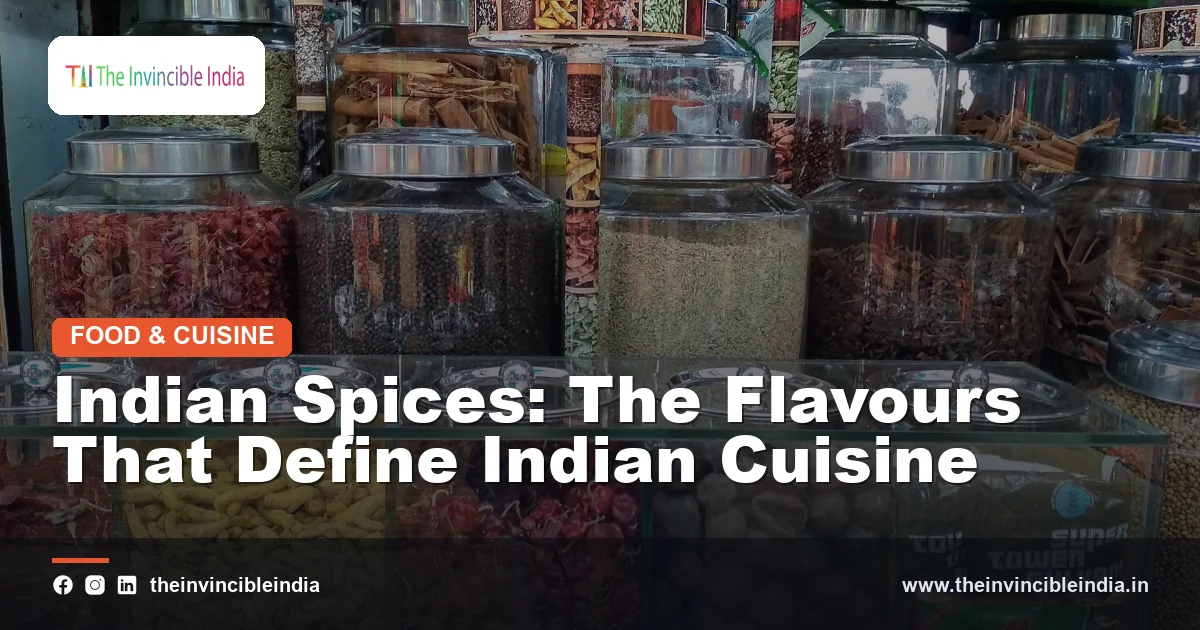
India is known the world over as the “Land of Spices”, and for good reason. For thousands of years, the subcontinent has been the source of the world’s most prized spices, drawing traders, explorers and empires to its shores and shaping the course of global history. Indian spices are the soul of the country’s legendary cuisine, lending it depth, aroma, colour and complexity, and many also hold a treasured place in traditional medicine. This guide explores the essential spices of the Indian kitchen, their uses, flavours and remarkable health benefits.
Quick Facts: Indian Spices
| Detail | Information |
|---|---|
| India’s title | The “Land of Spices” |
| Global role | Largest producer and exporter of spices |
| Essential spices | Turmeric, cumin, coriander, cardamom, chilli |
| Signature blend | Garam masala |
| Historic trade | Black pepper, once called “black gold” |
| Dual use | Culinary and traditional medicine (Ayurveda) |
Turmeric: The Golden Spice
Turmeric, or haldi, is perhaps the most iconic of all Indian spices, prized for its warm, earthy flavour and its brilliant golden-yellow colour. A staple in almost every Indian kitchen, it forms the base of countless curries and dishes. Beyond the kitchen, turmeric has been revered for millennia in Ayurvedic medicine for its powerful anti-inflammatory and antioxidant properties, thanks to its active compound curcumin. It is used in traditional remedies, skincare and the sacred rituals of Indian weddings, making it a spice of deep cultural and medicinal significance.
Cumin and Coriander
Cumin (jeera) and coriander (dhania) are two of the most widely used spices in Indian cooking, often working as a pair. Cumin, with its warm, nutty and slightly peppery flavour, is frequently tempered in hot oil to release its aroma at the start of a dish, and is valued for aiding digestion. Coriander seeds, with their mild, citrusy and sweet notes, are a fundamental base for many spice blends and curries, while fresh coriander leaves are used as a fragrant garnish. Together, these two spices form the backbone of everyday Indian cuisine.
Cardamom, Cloves and Cinnamon
The aromatic spices of cardamom, cloves and cinnamon bring warmth, fragrance and sweetness to both savoury and sweet Indian dishes. Cardamom (elaichi), known as the “queen of spices”, lends its distinctive sweet, floral aroma to biryanis, desserts, chai and more. Cloves (laung) add a strong, warm and slightly bitter note, while cinnamon (dalchini) provides sweet, woody warmth. These spices are key components of garam masala and of the famous masala chai, and are also valued in traditional medicine for their digestive and antibacterial properties.
Chilli, Mustard and Garam Masala
Red chilli (lal mirch) brings the heat and vibrant colour that many associate with Indian food, available in countless varieties from mild to fiery. Mustard seeds (rai), with their pungent flavour, are essential for tempering, especially in South and West Indian cooking, popping in hot oil to release their nutty aroma. And no discussion of Indian spices is complete without garam masala, the quintessential warming blend of ground spices such as cardamom, cloves, cinnamon, cumin and pepper, added to dishes to lend depth and complexity, with every region and family having its own treasured recipe.
The History of the Spice Trade
The story of Indian spices is inseparable from the history of the world. For thousands of years, spices such as black pepper, cardamom, cinnamon and cloves were among the most valuable commodities on earth, and India lay at the heart of a global trade network that stretched from ancient Rome and Egypt to China and beyond. The lure of these precious spices, particularly the black pepper of the Malabar Coast once known as “black gold”, drew traders and explorers across oceans and deserts. It was the search for a direct sea route to the spices of India that famously led European explorers on their voyages of discovery, reshaping global history and ultimately bringing traders and colonial powers to Indian shores.
Spices in Ayurveda and Traditional Medicine
In India, spices have never been valued for flavour alone; they are deeply woven into the ancient system of Ayurvedic medicine and traditional home remedies. Turmeric is prized for its anti-inflammatory and healing properties, ginger and cumin for aiding digestion, cinnamon for regulating blood sugar, and cloves for their antibacterial and pain-relieving qualities. Fenugreek, ajwain (carom seeds), asafoetida (hing) and black pepper all have their place in remedies passed down through generations. The traditional concept of using food and spices as medicine, balancing the body’s constitution, remains an integral part of Indian households, where the kitchen often doubles as the first line of healthcare.
The Art of Tempering and Spice Blends
Indian cooking is defined not just by which spices are used, but by how they are used. A key technique is tempering, known as tadka or chaunk, in which whole spices such as cumin, mustard seeds and dried chillies are briefly fried in hot oil or ghee to release their essential aromas before being added to a dish. Equally important is the art of the spice blend (masala), where multiple spices are combined, often roasted and freshly ground, to create complex flavour bases. Beyond garam masala, regional blends such as the sambar and rasam powders of the south, the panch phoron of the east, and the goda masala of Maharashtra showcase the incredible diversity and sophistication of Indian spice craft.
Regional Spice Traditions
Every region of India has its own distinctive relationship with spices, shaped by climate, geography and culture. The cuisine of the south makes generous use of mustard seeds, curry leaves, dried red chillies and coconut, while the north favours the warm, aromatic garam masala spices and dried fruits in its rich Mughlai dishes. Bengal is known for its unique five-spice blend panch phoron and the pungent mustard, the west for the fiery blends of Rajasthan and the balanced spicing of Gujarat, and the coasts for their seafood spice mixes. This regional variety means that Indian cuisine is not a single tradition but a vast tapestry of spice cultures, each with its own signature flavours.
Buying, Storing and Using Spices
To get the most from Indian spices, freshness is key. Whole spices retain their flavour far longer than ground ones and are best bought whole and ground at home as needed, ideally after light dry-roasting to awaken their aromas. Spices should be stored in airtight containers away from heat, light and moisture to preserve their potency. When cooking, adding spices at the right stage, whether tempering whole spices at the start or sprinkling garam masala at the end, makes all the difference to the final dish. With a well-stocked spice box, or masala dabba, the traditional round tin that holds the essential spices, anyone can begin to explore the rich and rewarding world of Indian flavours.
Ginger, Garlic and Fresh Aromatics
Alongside dried spices, fresh aromatics form the essential foundation of Indian cooking. Ginger and garlic, often ground together into a paste, are used in countless dishes to build a deep, savoury base and are valued for their digestive and immune-boosting properties. Fresh green chillies add heat and brightness, curry leaves lend their unmistakable aroma to southern dishes, and fresh coriander leaves provide a fragrant finishing touch. Onions and tomatoes, though not spices, are the other pillars of the Indian flavour base. Together with the dried spices, these fresh ingredients create the layered, complex flavours that make Indian food so distinctive and beloved around the world.
Lesser-Known but Essential Spices
Beyond the famous names, the Indian spice box holds many lesser-known but vital ingredients. Asafoetida (hing), a pungent resin used in tiny quantities, adds a savoury, umami depth and aids digestion, and is especially valued in vegetarian cooking. Fenugreek (methi), both as seeds and leaves, contributes a slightly bitter, aromatic note. Carom seeds (ajwain), nigella seeds (kalonji), fennel (saunf), star anise, mace (javitri) and dried mango powder (amchur) each bring their own unique character to specific dishes. Kashmiri red chilli, prized for its deep colour and mild heat, and saffron, the world’s most expensive spice, add luxury and vibrancy. Mastering these spices unlocks the full range of Indian flavours.
Spices and the Five Senses
Indian spices engage all the senses in a way few other cuisines can match. There is the vivid colour of golden turmeric, deep-red Kashmiri chilli and green cardamom; the intoxicating aroma of spices blooming in hot oil or freshly ground in a mortar; the complex layers of taste, from the warmth of cinnamon and the pungency of mustard to the sweetness of fennel; and even the sound of mustard seeds crackling in a tempering. This multi-sensory richness is at the heart of the Indian cooking experience and explains why spices are regarded not merely as ingredients but as the very soul of the cuisine, transforming simple foods into dishes of extraordinary depth and character.
The Global Influence of Indian Spices
The influence of Indian spices extends far beyond the country’s borders, shaping cuisines and cultures across the world. The global love of curry, the widespread use of turmeric in health foods and wellness products, and the presence of Indian spice blends in kitchens everywhere all attest to this enduring impact. As international interest in natural remedies, plant-based eating and bold, complex flavours continues to grow, Indian spices are more celebrated than ever. From ancient trade routes to modern superfoods, the spices of India have journeyed across millennia and continents, and they remain a magnificent gift from the subcontinent to the tables and the well-being of the world.
The Masala Dabba: Heart of the Kitchen
At the centre of every Indian kitchen sits the masala dabba, the traditional round steel spice box that holds the day-to-day essentials within easy reach. Typically containing small bowls of turmeric, chilli powder, cumin, mustard seeds, coriander and a few other favourites, along with a small spoon, the masala dabba is a beautiful symbol of the central role spices play in Indian cooking. Passed down and replenished over the years, it embodies both practicality and heritage, allowing the cook to reach for just the right pinch of colour, aroma and flavour at a moment’s notice, and turning the daily act of cooking into an aromatic celebration of India’s spice traditions.
Frequently Asked Questions
What are the most essential Indian spices?
The most essential Indian spices include turmeric, cumin, coriander, red chilli, cardamom, cloves, cinnamon and mustard seeds, along with the popular blend garam masala.
What is garam masala?
Garam masala is a warming blend of ground spices, typically including cardamom, cloves, cinnamon, cumin and black pepper, added to dishes to give them depth, warmth and complexity of flavour.
Why is turmeric so important in India?
Turmeric is important both as a staple culinary spice and for its revered place in Ayurvedic medicine, valued for its anti-inflammatory and antioxidant properties, as well as its role in cultural and religious rituals.
Why is India called the Land of Spices?
India has been the world’s foremost source of spices for thousands of years, remains the largest producer and exporter of spices, and its cuisine and culture are deeply intertwined with them.


