


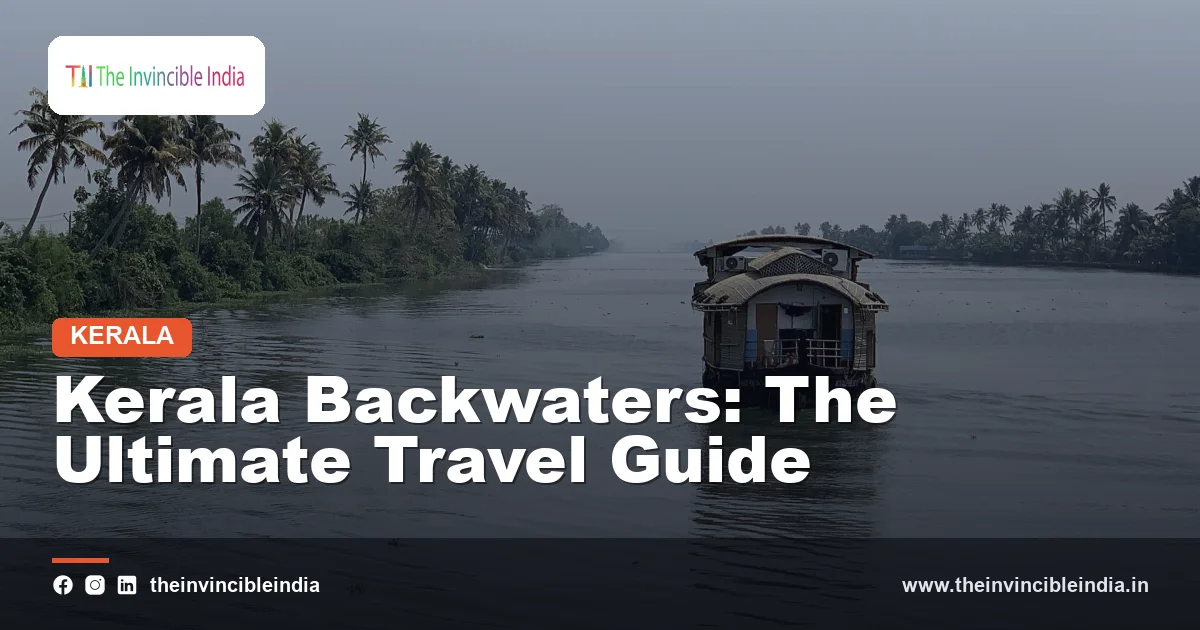
The backwaters of Kerala are among the most enchanting and unique destinations in all of India, a serene network of tranquil lagoons, lakes, rivers and canals winding through lush, palm-fringed landscapes. Cruising these calm waters aboard a traditional houseboat, gliding past emerald paddy fields, coconut groves and sleepy villages, is a quintessential Kerala experience and a highlight of any visit to “God’s Own Country”. Offering peace, natural beauty and a glimpse into a distinctive way of life, the backwaters are a world apart. This guide explores the magic of the Kerala backwaters and how to experience them.
Quick Facts: Kerala Backwaters
| Detail | Information |
|---|---|
| Location | Kerala, southwestern India |
| What they are | A network of lakes, canals, rivers and lagoons |
| Main hub | Alappuzha (Alleppey) |
| Signature experience | Houseboat (kettuvallam) cruise |
| Famous lake | Vembanad Lake |
| Best time to visit | November to February |
What Are the Backwaters?
The Kerala backwaters are a stunning and intricate network of interconnected canals, rivers, lakes and lagoons that run parallel to the Arabian Sea coast, stretching across much of the state. Fed by numerous rivers flowing down from the Western Ghats, this vast labyrinth of waterways has long served as a natural means of transport and a source of livelihood for local communities. The largest and most famous is Vembanad Lake, around which much of the backwater tourism is centred. This unique ecosystem, where fresh and salt water meet, supports a rich variety of birdlife, fish and vegetation, and sustains a distinctive waterside way of life.
The Houseboat Experience
The most iconic way to experience the backwaters is aboard a houseboat, known locally as a kettuvallam. Once used to transport rice and goods, these traditional boats have been beautifully converted into comfortable floating accommodations, complete with bedrooms, living areas and decks, often crafted from natural materials such as bamboo and coir. A cruise, typically lasting a day or overnight, allows you to glide slowly through the tranquil waterways, savouring freshly cooked Kerala cuisine on board, watching village life unfold along the banks, and falling asleep to the gentle lapping of the water, an experience of unmatched peace and beauty.
Alleppey, Kumarakom and Beyond
Several destinations serve as gateways to the backwaters, each with its own charm. Alappuzha, or Alleppey, often called the “Venice of the East”, is the main hub for houseboat cruises and is famous for its network of canals and the annual snake boat races. Kumarakom, set on the shores of Vembanad Lake, is renowned for its bird sanctuary and luxurious resorts, offering a more tranquil experience. Other notable backwater destinations include the coastal town of Kollam, the scenic Kuttanad region (the “rice bowl of Kerala”), and the northern backwaters around Kannur and Valiyaparamba, each providing a distinctive way to enjoy this beautiful landscape.
Village Life and Nature
Beyond the houseboats, the backwaters offer a wonderful window into the traditional life and rich natural environment of Kerala. Smaller canoe or shikara trips allow visitors to explore the narrower canals inaccessible to large boats, passing close to villages where people go about daily activities such as fishing, farming, coir-making and tending their homes along the water’s edge. The region is a haven for birdwatchers, especially around Kumarakom, and the lush greenery, swaying palms and mirror-like waters create an atmosphere of profound tranquillity. This intimate connection with nature and local culture is one of the most rewarding aspects of a backwater journey.
The Ecosystem of the Backwaters
The Kerala backwaters are far more than a scenic attraction; they form a unique and delicate ecosystem where freshwater from the rivers of the Western Ghats mingles with the salt water of the Arabian Sea. This brackish environment supports a remarkable diversity of life, including numerous species of fish, crustaceans and molluscs, as well as a rich variety of birds, from kingfishers and herons to migratory species that visit the region. Lush aquatic vegetation, coconut palms and mangroves line the waterways, and the fertile land around them sustains extensive paddy cultivation. This intricate natural system is not only beautiful but also vital to the livelihoods and way of life of the communities who live along its banks.
Life Along the Waterways
The backwaters are home to a distinctive and fascinating way of life, shaped over generations by the rhythms of the water. Villages line the banks, where people rely on the waterways for transport, fishing, farming and trade, and where daily life unfolds in close harmony with the water. Visitors cruising the backwaters can observe fishermen casting their nets, women washing clothes and utensils at the water’s edge, children heading to school by boat, and the making of coir from coconut husks, a traditional industry of the region. This intimate glimpse into a unique waterside culture, largely unchanged by time, is one of the most memorable aspects of a journey through the backwaters.
Kuttanad: The Rice Bowl of Kerala
At the heart of the backwater region lies Kuttanad, one of the most remarkable agricultural areas in the world and known as the “Rice Bowl of Kerala”. Here, in a rare feat of farming, rice is cultivated on land that lies below sea level, protected by an ingenious system of dikes and bunds, a practice recognised as a Globally Important Agricultural Heritage System. The lush green paddy fields, stretching to the horizon and crisscrossed by canals, create a landscape of striking beauty and productivity. Cruising through Kuttanad offers a fascinating insight into this unique way of farming and the deep bond between the people of the region and their watery environment.
Responsible Backwater Tourism
As tourism in the backwaters has grown, so too has the importance of enjoying this fragile environment responsibly. The delicate ecosystem can be affected by pollution and the pressures of increasing boat traffic, making sustainable practices essential to preserving its beauty for the future. Travellers can help by choosing eco-friendly houseboats and operators that follow responsible practices, avoiding littering and the use of single-use plastics, respecting the privacy and customs of the local communities, and being mindful of the natural surroundings. By treading lightly and supporting sustainable tourism, visitors can ensure that the enchanting Kerala backwaters remain a pristine and thriving destination for generations to come.
Combining the Backwaters with Kerala’s Wonders
One of the joys of visiting the Kerala backwaters is how easily they can be combined with the state’s many other attractions to create a rich and varied journey. From the backwaters, travellers can easily continue to the beautiful beaches of the coast, the cool tea-covered hills of Munnar, the wildlife sanctuaries of the Western Ghats such as Periyar, and the historic and cultural sites of Kochi. This remarkable diversity, all within a compact and easily navigable state, allows visitors to experience backwaters, beaches, hills, wildlife and heritage in a single trip, making Kerala one of the most rewarding and complete destinations in all of India.
Types of Backwater Experiences
The backwaters can be enjoyed in a variety of ways to suit different tastes and budgets. The classic overnight houseboat cruise offers a leisurely and immersive experience, with meals and accommodation on board as you drift through the waterways. For those with less time, day cruises and shorter houseboat trips provide a taste of the backwaters, while traditional shikara or canoe rides allow closer exploration of the narrow canals and village life. Backwater resorts set along the banks offer comfortable stays with beautiful views, and public ferry services provide an affordable and authentic way to travel the waters alongside locals. This variety ensures that everyone can find a way to enjoy the backwaters that suits them.
The Snake Boat Races
One of the most spectacular events associated with the Kerala backwaters is the tradition of Vallamkali, or snake boat races, held on the waterways particularly during the Onam festival season. These races feature enormous, elegantly crafted snake boats, some over a hundred feet long, each rowed by dozens of oarsmen paddling in perfect rhythm to the beat of traditional songs. The most famous is the Nehru Trophy Boat Race held at Alappuzha, which draws huge crowds of cheering spectators. The sight of these magnificent boats slicing through the backwaters amid great excitement and festivity is an unforgettable spectacle and a vivid expression of Kerala’s rich cultural heritage.
Cuisine of the Backwaters
A journey through the Kerala backwaters is also a delight for the taste buds, offering the chance to savour the region’s delicious cuisine, often prepared fresh on board the houseboats. Backwater meals typically feature an abundance of fresh fish and seafood, along with dishes rich in coconut, curry leaves and local spices, served with rice. The classic Kerala fish curry, prawns, and the famous karimeen (pearl spot fish), often cooked in banana leaf, are highlights, alongside an array of vegetarian dishes and the traditional sadya feast. Enjoying this flavourful, freshly cooked food while cruising the tranquil waters is one of the most memorable pleasures of a backwater holiday.
Best Time to Visit the Backwaters
The ideal time to experience the Kerala backwaters is during the cool, dry winter months from November to February, when the weather is pleasant, the skies are clear, and conditions are perfect for houseboat cruises and exploring the waterways. The post-monsoon period sees the backwaters at their lush, green best, with full canals and vibrant scenery. The monsoon season itself, from June to September, brings heavy rain but also a special beauty and fewer crowds, and is the traditional season for Ayurvedic treatments. The summer months can be hot and humid, so the winter remains the most comfortable and popular time for a memorable backwater journey.
A Timeless and Tranquil Escape
The Kerala backwaters offer a rare and precious experience of peace, beauty and connection with nature and traditional life that stays with travellers long after they leave. To drift slowly along the tranquil waters aboard a houseboat, watching the sun set over the palm-lined banks and village life unfold at its gentle pace, is to step into a world of serenity far removed from the rush of modern life. Combining natural splendour, cultural richness and profound tranquillity, the backwaters are a jewel of Kerala and one of the most enchanting and unforgettable destinations in all of India, beckoning travellers to return again and again.
Frequently Asked Questions
What are the Kerala backwaters?
The Kerala backwaters are a network of interconnected lakes, rivers, canals and lagoons running along the coast of Kerala, famous for their tranquil beauty and houseboat cruises.
Where is the best place to experience the backwaters?
Alappuzha (Alleppey) is the main hub for houseboat cruises, while Kumarakom, set on Vembanad Lake, is renowned for its tranquil setting and bird sanctuary. Kollam and Kuttanad are also popular.
What is a kettuvallam?
A kettuvallam is a traditional Kerala houseboat, once used to transport goods and now converted into comfortable accommodation for cruising the backwaters, complete with bedrooms and dining areas.
What is the best time to visit the Kerala backwaters?
The best time is from November to February, when the weather is cool, pleasant and dry, ideal for houseboat cruises and exploring the waterways.