

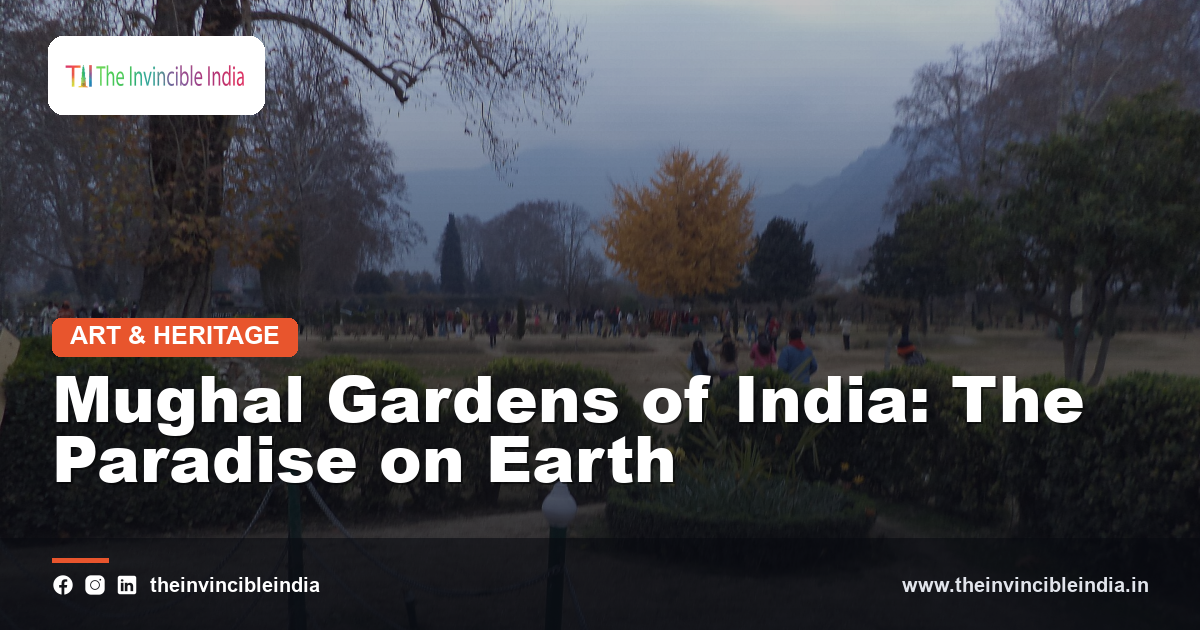
The Mughal gardens of India are among the most beautiful and celebrated gardens in the world, exquisite paradise gardens created to evoke the vision of paradise on earth. Laid out in elegant geometric designs, adorned with flowing water, fountains, greenery, flowers and pavilions, these gardens are masterpieces of garden art, combining beauty, symmetry, fragrance and the soothing presence of water. Created across northern India, especially in Kashmir, Delhi, Agra and Lahore, and often accompanying the great monuments and tombs, the Mughal gardens are a glory of the country’s heritage. From the famous Shalimar Bagh of Kashmir to the gardens of the great monuments, they enchant all who behold them. This guide explores the beautiful Mughal gardens of India, their design, their features, their famous examples and their heritage, among the most delightful of India’s artistic treasures.
Quick Facts
| Detail | Information |
|---|---|
| Type | The paradise gardens of India |
| Design | Geometric layout, often the four-fold Char Bagh |
| Features | Water, fountains, greenery, flowers and pavilions |
| Inspiration | The vision of paradise on earth |
| Famous example | The Shalimar Bagh of Kashmir |
| Heritage | Masterpieces of the art of the garden |
The Paradise on Earth
The Mughal gardens of India are among the most beautiful gardens in the world, exquisite paradise gardens created to evoke the vision of paradise on earth. Laid out in elegant geometric designs and adorned with flowing water, greenery, flowers and pavilions, these gardens are masterpieces of the art of the garden, combining beauty, symmetry, fragrance and the soothing presence of water to create places of enchanting loveliness and peace. They were conceived as an earthly image of paradise. As beautiful paradise gardens conceived as an image of paradise on earth, laid out with exquisite design and adorned with water, greenery and flowers, the Mughal gardens hold a cherished place among the country’s artistic treasures and are one of the most delightful of its heritages.
A Vision of Paradise
The central inspiration of the Mughal garden was the vision of paradise, and the gardens were created to evoke on earth the beauty and bliss of the paradise garden of tradition. The idea of paradise as a beautiful garden, with flowing waters, abundant greenery, fruit and flowers, and cool, shaded peace, inspired the design of the Mughal gardens, which sought to create an earthly image of this heavenly beauty, a place of delight for the senses and the soul. This vision of paradise is the soul of the Mughal garden. This vision of paradise, which inspired the Mughal garden to evoke on earth the beauty and bliss of the heavenly garden, is the soul of the tradition, and the aspiration to create an earthly image of paradise gives the Mughal gardens their profound beauty and meaning.
The Char Bagh Design
The classic form of the Mughal garden is the Char Bagh, or four-fold garden, a design of great elegance and meaning in which the garden is divided into four parts by channels of water and paths. In this design, the garden is laid out as a square or rectangle divided into four quarters by intersecting water channels and walkways, often with a central pool, pavilion or tomb at the meeting point, creating a beautiful symmetry rich in symbolic meaning, evoking the paradise garden with its four rivers. The Char Bagh is the classic Mughal design. This Char Bagh or four-fold design, in which the garden is divided into four parts by channels of water and paths, is the classic form of the Mughal garden, and its beautiful symmetry and symbolic meaning, evoking the paradise garden with its four rivers, are central to the tradition.
The Beauty of Water
Water is central to the beauty of the Mughal garden, flowing through channels, filling pools, and rising in fountains to fill the garden with coolness, movement, sound and reflection. The Mughal gardens are famed for their beautiful use of water, which flows through the channels of the design, gathers in still pools that mirror the sky and the buildings, cascades over carved chutes, and rises in fountains, bringing life, coolness and enchantment to the garden. This beauty of water is a glory of the tradition. This central beauty of water in the Mughal garden, flowing through channels, filling reflecting pools and rising in fountains to bring coolness, movement, sound and reflection, is one of the glories of the tradition, and the exquisite use of water is among the most enchanting features of these beautiful paradise gardens.
Greenery, Flowers and Fragrance
The Mughal gardens are filled with beautiful greenery, flowers and fragrance, with trees for shade and fruit, lawns and beds of flowers, and fragrant blooms delighting the senses. The gardens were planted with shade trees and fruit trees, with lawns and flower beds full of beautiful and fragrant flowers, so that the garden delighted the eye with greenery and colour and the senses with the fragrance of the flowers and the coolness of the shade, creating a place of sensuous beauty. This greenery, flowers and fragrance are essential to the garden. This filling of the Mughal gardens with greenery, flowers and fragrance, with trees for shade and fruit and beds of beautiful fragrant flowers, is essential to their beauty, and the delight of the senses in the greenery, colour and fragrance is one of the great pleasures of these paradise gardens.
Pavilions and Architecture
The Mughal gardens are adorned with beautiful pavilions, terraces, gateways and other architecture, which enhance their beauty and provide places of rest and enjoyment. Elegant pavilions, often set over water or at the centre or ends of the garden, terraces stepping down a slope, gateways and walls, and sometimes a tomb or palace, adorn the Mughal gardens, so that architecture and garden are beautifully combined, and the buildings provide places from which to enjoy the beauty of the garden. This architecture is an important part of the design. This adornment of the Mughal gardens with beautiful pavilions, terraces, gateways and architecture, combined harmoniously with the greenery and water, is an important part of the design, and the beautiful marriage of architecture and garden is one of the distinctive glories of the Mughal tradition.
Symmetry and Order
A defining quality of the Mughal garden is its symmetry and order, its beautiful geometric design that gives the garden harmony, balance and a sense of ordered perfection. The Mughal gardens are laid out with careful geometry and symmetry, in which the channels, paths, beds, pools and pavilions are arranged in balanced and harmonious order, creating a beauty of proportion and design that reflects the ideal of paradise as a place of perfect order and harmony. This symmetry and order are essential to the character of the garden. This quality of symmetry and order, the beautiful geometric design that gives the Mughal garden harmony, balance and ordered perfection, is one of its defining characteristics, and the beauty of proportion and design is central to the perfection of these paradise gardens.
The Gardens of Kashmir
Some of the most beautiful and famous Mughal gardens are found in Kashmir, whose cool climate, mountains and lakes provided a perfect setting for these paradise gardens. The Mughals loved the beauty of Kashmir and created magnificent gardens there, set against the backdrop of the mountains and the lake, with terraces descending the slopes, channels and fountains of water fed by the mountain streams, and beautiful greenery and flowers, so that the gardens of Kashmir are among the loveliest of all. The gardens of Kashmir are a glory of the tradition. These gardens of Kashmir, set amid the cool climate, mountains and lakes that provided a perfect setting, are among the most beautiful and famous of all Mughal gardens, and their loveliness against the backdrop of the Kashmiri landscape is one of the supreme glories of the tradition.
The Shalimar Bagh
The most famous of the Mughal gardens of Kashmir is the Shalimar Bagh, a beautiful terraced garden by the lake, celebrated as a masterpiece of the art. This magnificent garden, laid out in terraces descending toward the lake, with a central channel of flowing water, fountains, pavilions and beautiful greenery, set against the backdrop of the mountains, is one of the most beautiful and beloved of all Mughal gardens and a supreme example of the paradise garden. The Shalimar Bagh is a crowning glory of the tradition. This Shalimar Bagh of Kashmir, the beautiful terraced garden by the lake with its central channel of water, fountains, pavilions and greenery set against the mountains, is the most famous of the Mughal gardens of Kashmir and a crowning glory of the country’s tradition of the paradise garden.
Gardens of the Monuments
Many of the most beautiful Mughal gardens were created to accompany the great monuments and tombs, forming a beautiful setting that enhances the splendour of the architecture. The great tombs and monuments of the Mughal age were often set within magnificent Char Bagh gardens, whose greenery, water and symmetry provided a beautiful and fitting setting for the architecture, so that garden and monument together formed a harmonious whole of surpassing beauty, the garden evoking the paradise to which the tomb pointed. These gardens of the monuments are among the finest of the tradition. This creation of beautiful gardens to accompany the great monuments and tombs, forming a magnificent setting that enhances the splendour of the architecture, is one of the finest expressions of the tradition, and the harmonious union of garden and monument is one of the great glories of Mughal art.
A Place of Pleasure and Peace
The Mughal gardens were created as places of pleasure and peace, retreats of beauty and coolness where the emperors and their courts could rest, enjoy and delight in the loveliness of nature and art. The gardens offered a cool and beautiful refuge from the heat, a place to walk, rest, feast and enjoy the beauty of the flowers, greenery and water, and to delight in the peace and pleasure of the paradise garden, so that they were treasured places of enjoyment and repose. This role as a place of pleasure and peace is central to the garden. This role of the Mughal gardens as places of pleasure and peace, beautiful retreats of coolness and loveliness for rest, enjoyment and delight, is central to the tradition, and the pleasure and peace of the paradise garden are among the greatest of the gifts these beautiful gardens offered and still offer.
A Heritage of Garden Art
The Mughal gardens represent a magnificent heritage of the art of the garden, one of the great garden traditions of the world, admired for its beauty, design and meaning. The tradition of the Mughal garden, with its paradise vision, its Char Bagh design, its beautiful use of water, greenery and architecture, and its harmony of symmetry and order, is recognised as one of the great achievements of garden art, and the finest Mughal gardens are treasured as masterpieces. This heritage of garden art is a glory of India. This heritage of the Mughal gardens as a magnificent tradition of the art of the garden, one of the great garden traditions of the world, admired for its beauty, design and meaning, is a glory of India, and the finest Mughal gardens are treasured as masterpieces of one of the most beautiful of the arts.
Preservation and Recognition
The finest Mughal gardens are today preserved, protected and celebrated as precious heritage, admired by visitors from across India and the world. Many of the great Mughal gardens are protected and cared for as important heritage sites, some recognised among the World Heritage of humanity, and they are visited and admired by countless people for their beauty and their history, taking their place among the treasured monuments and gardens of India. This preservation and recognition are vital for the future of the gardens. This preservation and recognition of the finest Mughal gardens as precious heritage, protected, celebrated and admired by visitors from across the world, are vital for the future of the tradition, and the treasuring of these beautiful gardens ensures that this glorious heritage of garden art is preserved for generations to come.
Mughal Gardens of India Today
Today the Mughal gardens of India are celebrated as beautiful and precious treasures of the country’s heritage, admired for their loveliness, their design and their history. The famous Shalimar Bagh and the other gardens of Kashmir, the gardens of the great monuments, and the many other Mughal gardens across northern India are preserved, visited and cherished, enchanting all who behold them with their beauty of water, greenery, flowers and design. The vision of paradise that inspired them continues to delight and move all who enter. As beautiful paradise gardens conceived as an image of paradise on earth, masterpieces of the art of the garden, the Mughal gardens endure as one of the most delightful and beloved of the country’s artistic and architectural heritages.
Sources & Further Reading
- Archaeological Survey of India, on the Mughal gardens and monuments of India (asi.nic.in).
- Ministry of Culture, Government of India, on the heritage of India (indiaculture.gov.in).
Frequently Asked Questions
What are Mughal gardens?
Mughal gardens are beautiful paradise gardens created in India, laid out in elegant geometric designs and adorned with flowing water, fountains, greenery, flowers and pavilions. Conceived to evoke the vision of paradise on earth, they are celebrated as masterpieces of the art of the garden.
What is the Char Bagh design?
The Char Bagh, or four-fold garden, is the classic form of the Mughal garden, in which the garden is divided into four quarters by intersecting channels of water and walkways, often with a central pool, pavilion or tomb, creating a beautiful symmetry that evokes the paradise garden with its four rivers.
What is the Shalimar Bagh?
The Shalimar Bagh is the most famous of the Mughal gardens of Kashmir, a beautiful terraced garden by the lake with a central channel of flowing water, fountains, pavilions and greenery, set against the backdrop of the mountains, and celebrated as a masterpiece of the paradise garden.
Why is water important in Mughal gardens?
Water is central to the beauty of the Mughal garden, flowing through channels, filling reflecting pools and rising in fountains to bring coolness, movement, sound and reflection. It evokes the paradise garden and is one of the most enchanting features of the tradition.
Why are Mughal gardens important?
Mughal gardens are important as masterpieces of one of the great garden traditions of the world, admired for their beauty, design and meaning. Often accompanying the great monuments and tombs, they are treasured as a precious part of the country’s artistic and architectural heritage.


