

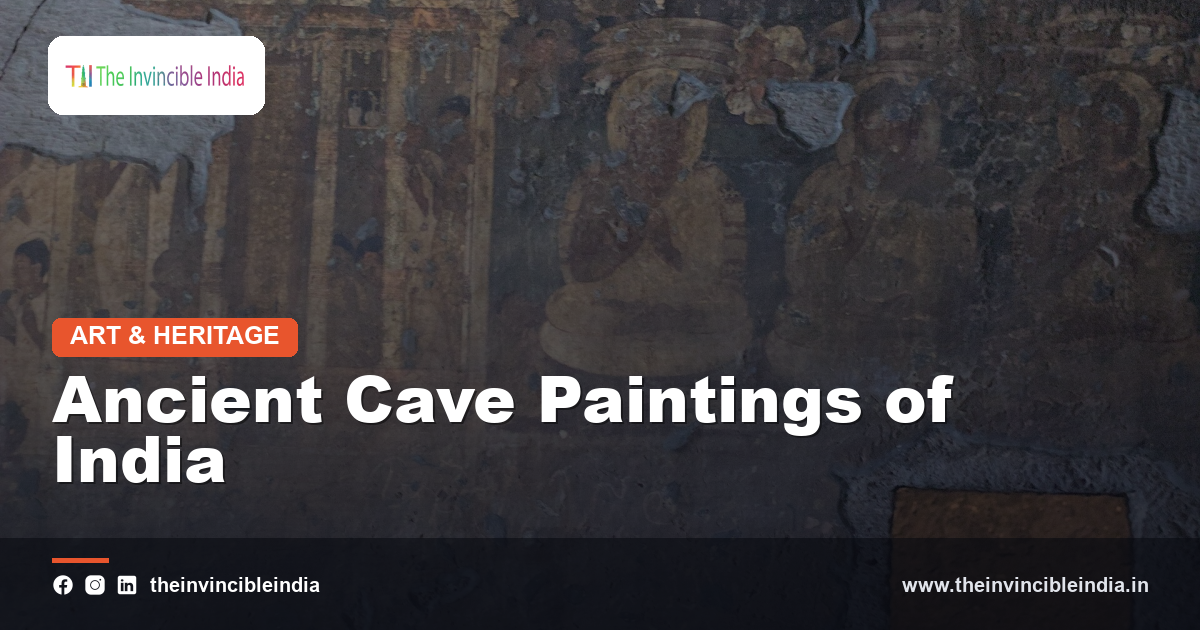
The ancient cave paintings of India are among the greatest treasures of the country’s artistic heritage, a magnificent legacy of painting that spans from the dawn of human art to the classical age. From the prehistoric rock paintings of early humans, among the oldest art in the world, to the exquisite murals of the ancient Buddhist caves, India’s cave paintings offer a remarkable window into the art, life and beliefs of the past. Preserved on the walls of caves and rock shelters across the country, these paintings testify to the extraordinary artistic achievement of India across the ages. This guide explores the ancient cave paintings of India, from the prehistoric rock art of Bhimbetka to the magnificent murals of Ajanta, and their beauty, techniques and significance, among the greatest treasures of India’s heritage.
Quick Facts
| Detail | Information |
|---|---|
| What they are | Ancient paintings preserved on cave walls |
| Span | From prehistoric rock art to the classical age |
| Prehistoric art | The rock paintings of Bhimbetka, among the oldest in the world |
| Classical masterpiece | The magnificent murals of the Ajanta caves |
| Themes | Daily life, animals, religion, legend and the Buddha |
| Heritage | Among the greatest treasures of Indian art |
A Legacy of Ancient Art
The ancient cave paintings of India are a magnificent legacy of the country’s artistic heritage, a treasure of painting that spans from the very dawn of human art to the classical age. Preserved on the walls of caves and rock shelters across the land, these paintings range from the simple but powerful rock art of prehistoric humans to the exquisite and sophisticated murals of the ancient Buddhist caves, offering a remarkable record of the art of India across the ages. These cave paintings are among the greatest treasures of the country’s heritage. As a legacy of ancient art spanning from prehistoric rock painting to the classical masterpieces, the ancient cave paintings of India are among the greatest treasures of the country’s artistic heritage and a precious window into the art and life of the past.
The Dawn of Art
Some of the ancient cave paintings of India date from the very dawn of human art, the prehistoric rock paintings created by early humans thousands of years ago, among the oldest art in the world. These prehistoric paintings, found in rock shelters and caves, were made by the early inhabitants of the land, who painted on the rock the scenes and creatures of their world. They are a precious record of the artistic impulse of humanity at its very beginnings. These paintings from the dawn of art, the prehistoric rock paintings of early humans among the oldest in the world, are a precious part of India’s cave art heritage and a remarkable testament to the ancient artistic impulse of humanity, offering a glimpse of the world of the earliest inhabitants of the land.
The Rock Art of Bhimbetka
The most famous of India’s prehistoric cave paintings are those of Bhimbetka, a great group of rock shelters containing paintings that span thousands of years, among the oldest art in the world. The rock shelters of Bhimbetka contain a remarkable wealth of prehistoric paintings, depicting scenes of the life of early humans, animals, hunting, dancing and daily activities, created over a vast span of time. Bhimbetka is a treasure of prehistoric art and a World Heritage Site. This rock art of Bhimbetka, a great group of rock shelters containing prehistoric paintings among the oldest in the world, is the most famous of India’s prehistoric cave art and a precious treasure, offering a remarkable window into the life and art of the early inhabitants of the land.
Scenes of Prehistoric Life
The prehistoric rock paintings of India, such as those of Bhimbetka, offer a fascinating glimpse of the life of early humans, depicting the scenes and activities of their world. These paintings show hunting scenes, animals of many kinds, human figures engaged in dancing, gathering and daily activities, and the world of the early inhabitants of the land, rendered in a simple but powerful and vivid style. They are a precious record of prehistoric life and art. These scenes of prehistoric life in the ancient rock paintings, depicting the hunting, dancing, animals and daily activities of early humans, are a fascinating and precious record of the world and art of the earliest inhabitants of India, offering a remarkable glimpse into the distant past.
The Murals of the Caves
Alongside the prehistoric rock art, the ancient cave paintings of India include the magnificent murals of the classical age, above all those of the Buddhist caves, which are among the greatest achievements of ancient Indian painting. These murals, painted on the walls and ceilings of the rock-cut caves, are sophisticated and exquisite works of art, depicting religious and legendary subjects with great beauty, grace and skill. The classical cave murals are a summit of ancient Indian painting. These murals of the caves, the magnificent classical paintings of the ancient Buddhist caves, are among the greatest achievements of ancient Indian painting and a treasure of the country’s heritage, representing a summit of the art of painting in ancient India.
The Glory of Ajanta
The supreme masterpieces of ancient Indian cave painting are the magnificent murals of the Ajanta caves, among the greatest treasures of world art. These paintings, adorning the walls and ceilings of the Buddhist caves at Ajanta, depict the life of the Buddha, stories from Buddhist tradition, and a wealth of figures and scenes, with extraordinary beauty, grace, expressiveness and skill, and they are celebrated as one of the glories of ancient painting. Ajanta is a wonder of Indian art. These magnificent murals of Ajanta, the supreme masterpieces of ancient Indian cave painting, are among the greatest treasures of world art, celebrated for their extraordinary beauty and skill, and they represent the crowning glory of the ancient cave painting of India.
The Beauty of the Ajanta Paintings
The Ajanta paintings are renowned for their extraordinary beauty, their grace, their expressiveness and their artistic sophistication, qualities that place them among the finest paintings of the ancient world. The murals depict their figures with remarkable grace and lifelikeness, expressing emotion and movement, rich in colour and detail, and composed with great skill, and they reveal the high development of the art of painting in ancient India. The beauty of the Ajanta paintings is one of the wonders of Indian art. This extraordinary beauty of the Ajanta paintings, with their graceful, expressive figures rendered with great skill and rich colour, is one of the wonders of Indian art and places these murals among the finest paintings of the ancient world, a supreme achievement of the country’s artistic heritage.
Themes of the Cave Paintings
The ancient cave paintings of India depict a rich variety of themes, from the daily life of prehistoric humans to the religious and legendary subjects of the classical murals. The prehistoric rock art depicts hunting, animals, dancing and daily life, while the classical murals of the caves depict the life of the Buddha, stories from religion and legend, celestial beings, and a wealth of figures and scenes. These themes offer a window into the life, beliefs and imagination of the past. This rich variety of themes in the ancient cave paintings, from the daily life of prehistoric humans to the religious and legendary subjects of the classical murals, offers a fascinating window into the life, beliefs and artistic imagination of India across the ages, from prehistory to the classical age.
The Techniques of the Painters
The ancient cave painters of India used remarkable techniques to create their works, from the simple pigments of the prehistoric artists to the sophisticated methods of the classical muralists. The prehistoric painters used natural pigments to paint directly on the rock, while the classical muralists prepared the cave walls with a special ground and painted with natural colours, using techniques that produced works of great beauty and remarkable durability, surviving for many centuries. These techniques reflect the skill of the painters. These techniques of the ancient cave painters, from the natural pigments of the prehistoric artists to the sophisticated methods of the classical muralists, reflect the skill and ingenuity of the painters and are part of what makes the survival and beauty of the ancient cave paintings so remarkable.
A Window into the Past
The ancient cave paintings of India are a precious window into the past, offering a vivid record of the life, beliefs, art and imagination of the people who created them across the ages. Through the prehistoric rock art, we glimpse the world of early humans, and through the classical murals, we see the religious life, legends and artistic achievement of the classical age, so that the paintings are an invaluable source for understanding the history and culture of India. This window into the past is one of the great values of the cave paintings. This character of the ancient cave paintings as a window into the past, offering a vivid record of the life, beliefs and art of the people who created them, is one of their greatest values, making them not only treasures of art but invaluable sources for understanding the history and culture of India.
A Precious and Fragile Heritage
The ancient cave paintings of India are a precious but fragile heritage, and their preservation is an important and delicate task. These ancient paintings, some thousands of years old, are vulnerable to the effects of time, the environment and human activity, and great care is needed to conserve and protect them so that they may survive for future generations. The preservation of these fragile treasures is a great responsibility. This character of the ancient cave paintings as a precious but fragile heritage, vulnerable to the effects of time and requiring careful conservation, makes their preservation an important and delicate responsibility, so that these irreplaceable treasures of India’s artistic heritage may be protected and survive for future generations.
Treasures of World Art
The ancient cave paintings of India, above all the murals of Ajanta and the prehistoric rock art of Bhimbetka, are recognised as treasures not only of India but of world art and heritage. These paintings are celebrated internationally for their beauty, their antiquity and their significance, and the great sites are recognised as World Heritage Sites, treasures of value to all humanity. Their recognition affirms their importance in the artistic heritage of the world. This recognition of the ancient cave paintings of India as treasures of world art and heritage, celebrated internationally and honoured as World Heritage Sites, affirms their outstanding value and their importance not only to India but to the artistic heritage of all humanity.
The Enduring Wonder
The ancient cave paintings of India continue to inspire wonder and admiration, their beauty, antiquity and artistry as remarkable today as ever. That paintings created thousands of years ago, from the simple rock art of prehistory to the exquisite murals of the classical age, should survive to move and amaze us is a source of enduring wonder, and the paintings continue to be studied, admired and cherished as treasures of art. Their enduring wonder is a testament to their greatness. This enduring wonder of the ancient cave paintings, whose beauty, antiquity and artistry continue to inspire admiration, is a testament to their greatness, and these ancient treasures continue to move and amaze all who behold them, connecting the present to the distant artistic past of humanity.
Ancient Cave Paintings Today
Today the ancient cave paintings of India remain among the greatest treasures of the country’s artistic heritage, cherished and admired for their beauty, antiquity and significance, and several of the great sites are recognised as World Heritage Sites. The prehistoric rock art of Bhimbetka and the magnificent murals of Ajanta continue to be studied, preserved and honoured as wonders of art, offering a precious window into the art and life of the past. Their preservation for future generations is an important responsibility. As a magnificent legacy of ancient art spanning from prehistory to the classical age, the ancient cave paintings of India endure as among the greatest treasures of the country’s heritage and of world art.
Sources & Further Reading
- Archaeological Survey of India, on the cave paintings and rock art of India (asi.nic.in).
- UNESCO World Heritage Centre, on Ajanta and Bhimbetka (whc.unesco.org).
Frequently Asked Questions
What are the ancient cave paintings of India?
The ancient cave paintings of India are a magnificent legacy of painting preserved on cave walls, spanning from the prehistoric rock art of early humans, among the oldest in the world, to the exquisite classical murals of the ancient Buddhist caves, such as those of Ajanta.
What is Bhimbetka famous for?
Bhimbetka is famous for its great group of rock shelters containing prehistoric paintings that span thousands of years and are among the oldest art in the world, depicting the life of early humans, animals, hunting and dancing. It is a World Heritage Site.
Why are the Ajanta paintings so important?
The Ajanta paintings are the supreme masterpieces of ancient Indian cave painting, among the greatest treasures of world art. Adorning the Buddhist caves, they depict the life of the Buddha and other subjects with extraordinary beauty, grace and skill, revealing the glory of ancient Indian painting.
What themes do the cave paintings depict?
The ancient cave paintings depict a rich variety of themes, from the hunting, animals, dancing and daily life of prehistoric humans in the rock art, to the life of the Buddha, religious and legendary subjects, and celestial beings in the classical murals of the caves.
How old are India's cave paintings?
India’s cave paintings span a vast range of time, from the prehistoric rock art of Bhimbetka, which is thousands of years old and among the oldest art in the world, to the classical murals of Ajanta, which date from the ancient classical age of Indian history.


