

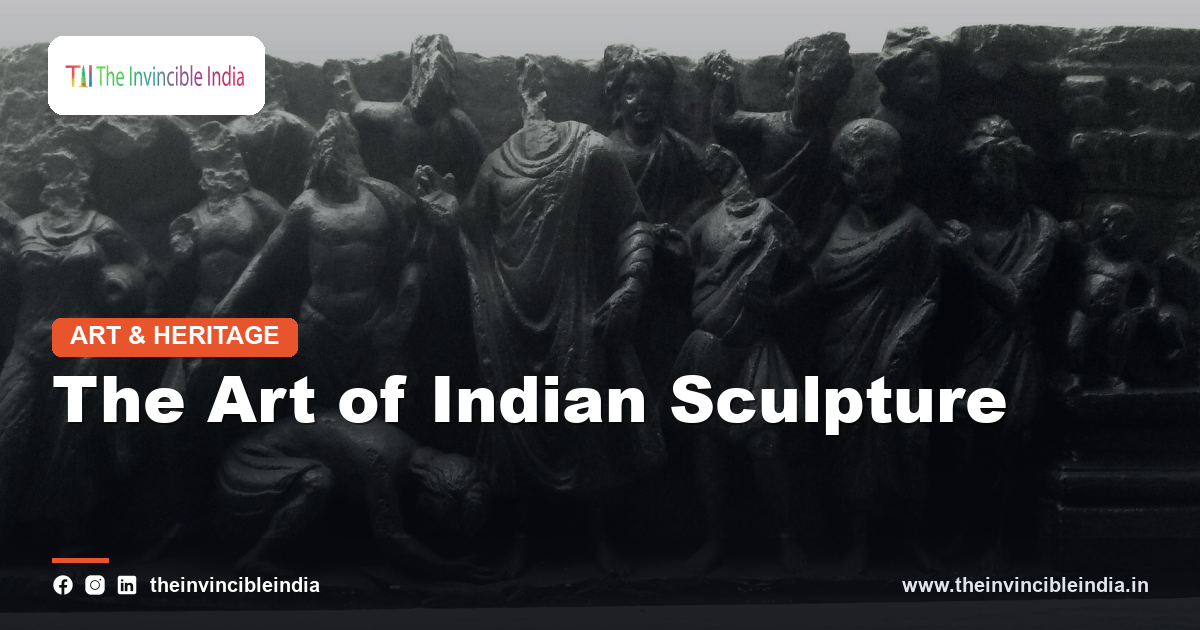
Indian sculpture is one of the great artistic traditions of the world, an ancient and magnificent art that has flourished across the subcontinent for thousands of years. From the earliest figures of the ancient civilisations to the magnificent temple sculpture and the exquisite bronzes of the classical age, Indian sculptors created works of extraordinary beauty, expressiveness and spiritual depth, in stone, bronze, terracotta and other materials. Adorning temples, caves and monuments, and expressing the gods, the Buddha, and the whole rich world of Indian religion and life, this sculpture is among the crowning glories of the country’s art and heritage. This guide explores the art of Indian sculpture, its origins, its great schools and materials, its traditions and its magnificent heritage, one of the treasures of India’s art and heritage.
Quick Facts
| Detail | Information |
|---|---|
| Type | The sculptural art of India |
| Antiquity | Flourished over thousands of years |
| Materials | Stone, bronze, terracotta and other materials |
| Traditions | Buddhist, Hindu and Jain; temple and bronze sculpture |
| Famous for | Temple sculpture and exquisite bronze images |
| Heritage | Among the crowning glories of Indian art |
A Great Artistic Tradition
Indian sculpture is one of the great artistic traditions of the world, an ancient and magnificent art that has flourished across the subcontinent for thousands of years and produced works of extraordinary beauty and depth. From ancient figures to magnificent temple carvings and exquisite bronzes, Indian sculptors created a vast wealth of art, expressing the gods, the Buddha and the whole rich world of Indian religion and life in stone, bronze and other materials. This sculpture is among the crowning glories of the country’s heritage. As one of the great artistic traditions of the world, ancient, magnificent and rich in beauty and meaning, Indian sculpture holds a place of the highest importance in the country’s heritage and is among the greatest achievements of world art.
Ancient Origins
The tradition of sculpture in India is very ancient, reaching back to the earliest civilisations of the subcontinent, whose artists created remarkable figures thousands of years ago. From these ancient beginnings, the art of sculpture developed and flourished across the ages, growing in sophistication and beauty and producing an ever richer wealth of works. This long and continuous history gives Indian sculpture a heritage of great depth. These ancient origins of Indian sculpture, reaching back to the earliest civilisations of the subcontinent, are the foundation of a long and continuous tradition that developed and flourished across the ages, giving Indian sculpture a heritage of great antiquity and depth.
Sculpture in Stone
Much of the greatest Indian sculpture is in stone, carved to adorn the temples, caves and monuments of the country with magnificent images of the gods and a wealth of figures and scenes. The sculptors worked stone with extraordinary skill, creating images of the deities, celestial beings, and mythological and decorative subjects, from great statues to intricate relief carving, that adorn the temples and monuments of India. Stone sculpture is the most abundant and famous of the traditions. This sculpture in stone, which adorns the temples, caves and monuments of India with magnificent images carved with extraordinary skill, is the most abundant and famous of the country’s sculptural traditions, and the temples of India are among the greatest treasuries of stone sculpture in the world.
The Bronze Tradition
One of the most exquisite traditions of Indian sculpture is the art of bronze casting, which produced magnificent metal images of great beauty, above all in the south. Using the lost-wax technique, Indian sculptors cast exquisite bronze images of the deities, of extraordinary grace, refinement and beauty, and this tradition reached its heights in the south, where the great bronzes are among the finest metal sculptures ever created. The bronze tradition is a glory of Indian art. This bronze tradition of Indian sculpture, which produced magnificent metal images of great beauty using the lost-wax technique, is one of the most exquisite of the country’s sculptural traditions and a glory of Indian art, reaching its heights in the magnificent bronzes of the south.
The Chola Bronzes
The supreme achievement of the Indian bronze tradition is the magnificent bronzes created in the south under the great Chola dynasty, which are among the finest metal sculptures in the history of world art. These Chola bronzes, cast with extraordinary skill by the lost-wax technique, depict the deities with exquisite grace, beauty and spiritual expression, and the most famous of them, the image of Shiva as the cosmic dancer, is celebrated as one of the masterpieces of world art. The Chola bronzes are a summit of Indian sculpture. These Chola bronzes, the magnificent metal images created in the south under the great Chola dynasty, are the supreme achievement of the Indian bronze tradition and among the finest sculptures in the history of world art, celebrated for their exquisite grace and spiritual beauty.
The Cosmic Dancer
The most famous of all Indian bronzes, and one of the great masterpieces of world art, is the image of Shiva as the cosmic dancer, a magnificent depiction of the deity dancing within a ring of flame. This celebrated image portrays Shiva performing the cosmic dance of creation and destruction, his movement full of grace and energy, his form rich in symbolic meaning, and it is admired the world over as a supreme expression of both artistic beauty and profound philosophy. The cosmic dancer is an icon of Indian art. This image of Shiva as the cosmic dancer, the most famous of all Indian bronzes, is one of the great masterpieces of world art, admired for its extraordinary grace, energy and symbolic depth, and it has become an icon of Indian sculpture and of the country’s artistic and spiritual heritage.
The Great Schools of Sculpture
Indian sculpture developed several great schools and styles over the ages, associated with different regions and periods, each with its own distinctive character. In the ancient period, famous schools of sculpture flourished in different regions, developing distinctive styles in the depiction of the Buddha and other subjects, and later ages and regions produced their own great traditions of temple and bronze sculpture. These various schools enrich the tradition of Indian sculpture. These great schools of Indian sculpture, associated with different regions and periods and each with its own distinctive style, enrich the tradition and reflect its long development and regional diversity, from the famous ancient schools to the great traditions of temple and bronze sculpture of later ages.
Images of the Buddha
Among the great achievements of Indian sculpture are the magnificent images of the Buddha, created in stone and metal across the ages, which are among the most serene and beautiful sculptures ever made. Indian sculptors developed the depiction of the Buddha into a great art, creating images of extraordinary serenity, grace and spiritual beauty, expressing the calm and compassion of the enlightened one, and these images spread with Buddhism across Asia and influenced Buddhist art throughout the continent. The images of the Buddha are a glory of Indian sculpture. These magnificent images of the Buddha, created in stone and metal with extraordinary serenity and beauty, are among the great achievements of Indian sculpture and a glorious heritage of Indian Buddhist art, admired for their spiritual grace and their influence on Buddhist art across Asia.
Images of the Deities
Indian sculpture is renowned above all for its magnificent images of the Hindu deities, which adorn the temples of the country and express the whole rich world of Indian religion. The sculptors created images of the gods and goddesses in all their forms, rich in symbolism and beauty, depicting the deities with their attributes, mounts and companions, and portraying the myths and stories of religion. These images are the heart of much of Indian sculpture. These magnificent images of the deities, which adorn the temples of India and express the rich world of Indian religion, are the heart of much of the country’s sculpture, and the depiction of the gods and goddesses in all their forms and stories is one of the great achievements and glories of Indian sculptural art.
Temple Sculpture
The greatest treasury of Indian sculpture is found in the temples of the country, whose walls, towers, pillars and gateways are covered with magnificent carving of extraordinary richness and beauty. The temples are adorned with images of the deities, celestial beings, mythological scenes, and a wealth of figurative and decorative sculpture, executed with the highest artistry, so that the great temples are like galleries of sculpture in stone. This temple sculpture is among the most abundant and magnificent of the tradition. This temple sculpture, which covers the temples of India with magnificent carving of extraordinary richness and beauty, is the greatest treasury of the country’s sculptural art, and the great temples are among the most magnificent galleries of sculpture in the world, adorned with the images and stories of Indian religion.
Terracotta and Other Materials
Alongside stone and bronze, Indian sculpture includes rich traditions in terracotta and other materials, which add to the diversity and richness of the art. Terracotta, or fired clay, has been used since ancient times to create figures, plaques and images, in both folk and refined traditions, and other materials such as wood and ivory have also been used for sculpture. These traditions add to the wealth of Indian sculptural art. These traditions in terracotta and other materials, which add to the diversity of Indian sculpture, are an important part of the country’s sculptural heritage, and the rich traditions of terracotta in particular, used since ancient times in both folk and refined forms, are a wonderful and abundant part of Indian art.
Grace and Expression
Indian sculpture is renowned for its extraordinary grace and expressiveness, the way in which the sculptors imbued their images with life, beauty, movement and spiritual feeling. The figures of Indian sculpture are often depicted with sensuous grace, flowing lines and a sense of life and movement, and the images of the deities and the Buddha express deep spiritual states of serenity, compassion or energy. This grace and expression are among the most admired qualities of the art. This grace and expressiveness, with which the sculptors imbued their images with life, beauty and spiritual feeling, are among the most admired qualities of Indian sculpture and a large part of its greatness, for the finest works combine technical mastery with a profound sense of life, grace and spiritual depth.
Sacred Meaning and Iconography
Indian sculpture is rich in sacred meaning and follows a detailed iconography, in which the images of the deities are created according to established forms and symbols that express their nature and powers. The deities are depicted with particular attributes, gestures, forms and companions, each carrying meaning, according to a rich traditional iconography, so that the sculpture is not merely decorative but a sacred art expressing religious truth and meaning. This iconography is fundamental to Indian sculpture. This rich sacred meaning and iconography, in which the images of the deities are created according to established forms and symbols expressing their nature, is fundamental to Indian sculpture, giving it a profound religious dimension and making it a sacred art as well as a work of beauty.
A Magnificent Heritage
The sculpture of India is a magnificent heritage, treasured as some of the finest achievements of the country’s art and preserved in temples, caves, monuments, museums and collections across India and the world. The great works of Indian sculpture, from the ancient figures to the temple carvings and the exquisite bronzes, are admired as masterpieces of world art, and they are cherished, studied and celebrated as treasures of the country’s artistic heritage. This magnificent heritage is a great glory of India. This magnificent heritage of Indian sculpture, treasured as some of the finest achievements of the country’s art and preserved in its temples, monuments and museums, is a great glory of India, and the masterpieces of the tradition are admired across the world as treasures of the artistic heritage of humanity.
Indian Sculpture Today
Today the sculpture of India remains among the crowning glories of the country’s art and heritage, its masterpieces admired in temples, monuments and museums across India and the world, and the tradition still living in the work of artists and craftspeople. The magnificent temple sculpture, the exquisite bronzes, the serene images of the Buddha and the deities, and the wealth of the tradition continue to inspire wonder and admiration, and they are cherished as treasures of world art. The making of sacred images also continues as a living craft. As one of the great artistic traditions of the world, ancient, magnificent and rich in beauty and spiritual meaning, Indian sculpture endures as one of the greatest achievements of the country’s heritage and of world art.
Sources & Further Reading
- Archaeological Survey of India and the National Museum, on Indian sculpture (asi.nic.in).
- Ministry of Culture, Government of India, on the art heritage of India (indiaculture.gov.in).
Frequently Asked Questions
What is Indian sculpture?
Indian sculpture is one of the great artistic traditions of the world, an ancient and magnificent art that has flourished for thousands of years in stone, bronze, terracotta and other materials, adorning temples and monuments and expressing the gods, the Buddha and the rich world of Indian religion and life.
What are the Chola bronzes?
The Chola bronzes are magnificent metal images created in southern India under the great Chola dynasty, among the finest sculptures in the history of world art. Cast by the lost-wax technique, they depict the deities with exquisite grace, the most famous being the image of Shiva as the cosmic dancer.
What is the image of Shiva as the cosmic dancer?
The image of Shiva as the cosmic dancer is the most famous of all Indian bronzes and a masterpiece of world art. It depicts Shiva performing the cosmic dance of creation and destruction within a ring of flame, full of grace, energy and profound symbolic meaning.
Where is the greatest Indian sculpture found?
The greatest treasury of Indian sculpture is found in the temples of the country, whose walls, towers, pillars and gateways are covered with magnificent carving of images of the deities, celestial beings and mythological scenes, so that the great temples are like galleries of sculpture in stone.
What materials are used in Indian sculpture?
Indian sculpture is created in a variety of materials, above all stone, used for temple and cave sculpture, and bronze, used for exquisite metal images, along with terracotta, wood, ivory and other materials, each with its own rich tradition.


