

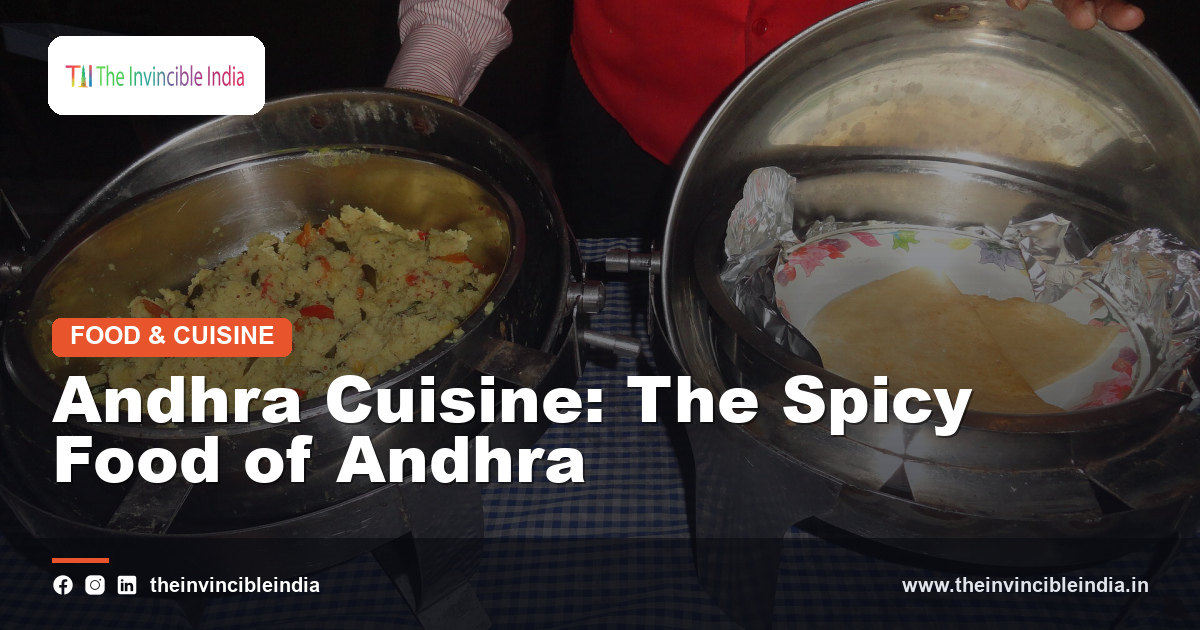
Andhra cuisine is the fiery and richly flavoured food of Andhra Pradesh, a cuisine renowned across India for its bold and confident use of chilli and its tangy, deeply savoury pickles. Built around rice, lentils and a generous hand with spice, Andhra cooking reflects both the fertile river deltas of the Krishna and Godavari and the drier plateau regions further inland, each contributing its own dishes to a remarkably varied culinary tradition. Much like the careful balancing found in Indian spices more broadly, Andhra cuisine shows how heat and flavour can be combined with real skill rather than mere intensity. This guide explores Andhra cuisine, its history, its famous dishes and its enduring place in India’s culinary heritage.
Quick Facts
| Detail | Information |
|---|---|
| Type | The spicy cuisine of Andhra Pradesh |
| Rooted in | Telugu river-delta and plateau food traditions |
| Famous for | Fiery curries, pickles and Guntur chillies |
| Key ingredients | Rice, tamarind, red chilli and lentils |
| Signature dish | Gongura pachadi and Andhra pickles |
| Character | Bold, tangy and intensely spiced |
The Spicy Food of Andhra
Andhra cuisine is the fiery and deeply flavourful food of Andhra Pradesh, a Telugu-speaking cuisine renowned across India for the boldness and confidence with which it uses chilli and spice. Shaped by the fertile deltas of the Krishna and Godavari rivers as well as the drier Rayalaseema plateau further inland, Andhra food draws on rice, lentils and a wide range of vegetables, transformed through generous spicing into dishes of remarkable intensity. Its reputation for heat is well earned but never careless. As the spicy food of Andhra, built on rice cultivation and a fearless approach to chilli, this cuisine occupies a distinctive and widely admired place among the culinary traditions of South India, respected for the sheer confidence of its flavour.
Rice, Lentils and the Andhra Meal
Rice and lentils form the everyday foundation of the Andhra meal, much as they do elsewhere in South India, but in Andhra cooking they are transformed by a generous and skilful use of spice into dishes of unusual intensity. A typical Andhra meal brings together steamed rice with a selection of curries, a lentil preparation, a pickle and a tangy chutney, each contributing its own layer of flavour to the plate. This combination is designed to balance heat with substance. This foundation of rice and lentils, elevated through bold Andhra spicing into a meal of real intensity, reflects the region’s confident culinary identity and remains the backbone of everyday eating across Andhra Pradesh.
The Bold Use of Chilli
The single most defining characteristic of Andhra cuisine is its bold and unapologetic use of chilli, present in nearly every dish from curries and pickles to snacks and chutneys. Dried red chillies, ground fresh into masalas or used whole in tempering, give Andhra food a heat that is more pronounced than in most other regional Indian cuisines, yet this heat is carefully balanced with tang, salt and the natural flavour of the main ingredient. The result is intensity rather than mere fire. This bold use of chilli throughout Andhra cuisine, balanced with skill rather than applied carelessly, is the single quality for which the cuisine is most famous across India, earning it a reputation as the spiciest of the country’s major regional food traditions.
Guntur and Its Famous Chillies
The city of Guntur, and the wider region surrounding it, is famous across India for cultivating some of the country’s most prized varieties of chilli, an agricultural heritage that has shaped the very character of Andhra cuisine. Guntur chillies, valued for their heat and colour, are dried, ground and traded widely, supplying not only Andhra kitchens but markets across India, and their association with the region has become a point of local pride. This chilli forms the backbone of countless Andhra dishes. This close connection between Guntur and its famous chillies, an agricultural specialty that has come to define an entire regional cuisine, shows how deeply Andhra food is tied to the produce of its own land.
Tamarind and Tangy Flavours
Alongside chilli, tamarind plays an essential role in Andhra cuisine, lending a sharp, tangy sourness that balances the heat of the region’s spicing in dishes such as pulusu, a tangy tamarind-based stew, and countless other curries. This souring agent, extracted from tamarind pods and used generously, cuts through richness and heat alike, creating the layered, complex flavour for which Andhra food is known. Raw mango and tomato serve similar purposes in season. This essential role of tamarind and other tangy flavours within Andhra cuisine, balancing the fire of its chillies, is what gives the cuisine its distinctive depth, ensuring that its heat is always accompanied by real complexity of taste.
The Art of Andhra Pickles
Andhra cuisine is particularly renowned for its pickles, or avakaya and similar preparations, in which raw mango, lime, gongura and other vegetables are preserved in oil with a generous blend of chilli, mustard and salt. These pickles, often prepared in large batches at the start of the mango season and stored for months, are considered an essential accompaniment to nearly every meal, adding a concentrated burst of tang and heat to plain rice or lentils. Their preparation is a matter of great household pride. This art of Andhra pickling, producing some of the most celebrated pickles in India, is one of the cuisine’s most distinctive contributions and a tradition maintained with great care in homes across the region.
Gongura and Leafy Greens
Gongura, a tangy sorrel leaf unique to the region, holds a particularly cherished place in Andhra cuisine, most famously in gongura pachadi, a spiced chutney made by cooking the leaves down with chilli and garlic into a thick, intensely tangy relish. This leafy green, along with other greens used across Andhra cooking, reflects the cuisine’s resourceful use of local produce to create dishes of striking, concentrated flavour. Gongura is also used in meat preparations. This prominent use of gongura and other leafy greens within Andhra cuisine, transformed into intensely flavourful relishes and curries, is one of the most distinctive markers of the cuisine and a flavour closely associated with Andhra identity.
Coastal and Rayalaseema Traditions
Andhra cuisine is often described in terms of its two broad culinary regions, the coastal areas along the Krishna and Godavari deltas and the drier plateau of Rayalaseema further inland, each with its own particular character. Coastal Andhra cooking tends to favour rice, seafood and a slightly softer style of spicing, while Rayalaseema cuisine is often considered even more intensely spiced, relying heavily on chilli, groundnut and dry preparations suited to its drier climate. Both traditions share a common Telugu heritage. This division between coastal and Rayalaseema traditions within Andhra cuisine reflects the state’s varied geography, and together the two regions give Andhra food its impressively wide range of flavour and technique.
Pesarattu and Andhra Tiffin
Andhra tiffin culture includes its own distinctive dishes, among which pesarattu, a savoury crepe made from ground green gram rather than the rice and lentil batter used elsewhere in South India, stands out as a particular specialty of the region. Often served with a ginger chutney and sometimes filled with upma, pesarattu reflects the same fermentation-free, protein-rich approach to breakfast found in parts of Andhra cooking. Other tiffin items are shared with neighbouring Telugu and Tamil traditions. This Andhra tiffin culture, anchored by dishes such as pesarattu, adds its own distinctive character to the wider South Indian tradition of light, savoury breakfast fare.
Street Food and Snacks
Andhra Pradesh offers a lively tradition of street food and snacks, from crisp mirchi bajji, whole green chillies dipped in gram flour batter and fried, to a wide range of spiced fritters and savoury mixtures enjoyed at any time of day. These snacks, often intensely spiced in keeping with the wider cuisine, are sold at roadside stalls and small eateries across the state’s towns and cities. Vendors often specialise in a single well-loved item. This vibrant street food and snack tradition, offering bold and often fiery bites throughout the day, extends the intensity of Andhra cuisine into its everyday snacking culture with great popular enthusiasm.
Andhra Non-Vegetarian Cooking
Andhra cuisine includes a robust non-vegetarian tradition, particularly in its coastal areas, where fish, prawns and other seafood are cooked into fiery, tamarind-tinged curries, while chicken and mutton dishes are popular throughout the state. These meat and seafood preparations are spiced with the same confidence found in the cuisine’s vegetarian dishes, often built around a base of onion, tomato and a generous blend of red chilli. Biryani, too, has a distinctive local following in the region. This robust non-vegetarian tradition within Andhra cuisine, spiced with characteristic boldness, forms an important and much-loved part of the state’s culinary identity alongside its famous vegetarian dishes and pickles.
Vegetarian Traditions
Despite its reputation for fiery meat curries, Andhra cuisine also possesses a strong vegetarian tradition, particularly in temple towns and among Brahmin communities, where lentil preparations, vegetable curries and rice dishes are prepared with the same bold spicing that characterises the wider cuisine. Dishes made from gourds, leafy greens and lentils, seasoned with tamarind and chilli, show that vegetarian Andhra food is every bit as intense and flavourful as its non-vegetarian counterpart. Such meals are often served with a variety of pickles. This strong vegetarian tradition within Andhra cuisine, achieving the same bold flavour through spice rather than meat, demonstrates the versatility and depth of the region’s culinary approach.
Sweets of Andhra
Andhra cuisine closes its meals with a modest but distinctive selection of sweets, among them pootharekulu, a delicate paper-thin sweet made from rice starch layered with sugar and ghee, associated particularly with the town of Atreyapuram. Other sweets, often based on jaggery, rice or lentil flour, provide a gentle contrast to the fiery character of the rest of the meal, offering a moment of simple sweetness after an intensely spiced feast. Their preparation demands considerable delicacy and skill. This tradition of sweets such as pootharekulu, delicate and finely crafted, provides a graceful counterpoint to the boldness of Andhra cuisine and shows the cuisine’s capacity for subtlety alongside its famous intensity.
The Andhra Thali and Dining Customs
The traditional Andhra thali, served on a banana leaf or plate, brings together rice, a selection of curries, lentil preparations, pickle, chutney and a sweet in a manner recalling wider South Indian dining customs, though distinguished by its notably spicier character. Diners typically mix rice with different accompaniments in careful sequence, moving from milder preparations to spicier ones as the meal progresses, savouring the full range of flavour the cuisine offers. This structured way of eating is itself a skill. This Andhra thali and its accompanying dining customs, structured to showcase the cuisine’s full range of tang, heat and flavour, remain central to how Andhra food is experienced and enjoyed at its best.
Spice Blends and Podis
Andhra cuisine relies heavily on its own spice blends, known as podis or powders, made by dry-roasting and grinding lentils, chillies and other spices into mixtures that are sprinkled over rice with a little oil or ghee for a quick and satisfying meal. These podis, prepared in large batches and stored for weeks, reflect a practical approach to flavour that allows a simple bowl of rice to become a complete and deeply savoury dish in moments. Each family often has its own preferred recipe. This reliance on spice blends and podis throughout Andhra cuisine, transforming simple staples into flavourful meals, reflects the resourcefulness and depth of the region’s culinary tradition.
Andhra Cuisine Today
Today Andhra cuisine continues to be celebrated across India for its unmatched intensity of flavour, its pickles, podis and curries enjoyed in homes and restaurants far beyond the borders of Andhra Pradesh itself. The distinctive contributions of Guntur chilli, gongura and the coastal and Rayalaseema traditions all continue to be practised with pride, ensuring that this bold cuisine remains a living and thriving tradition. Its influence on India’s appreciation of spice is considerable. As the spicy food of Andhra, tangy, fiery and confidently seasoned, Andhra cuisine stands as one of the most distinctive and admired regional culinary traditions of India.
Sources & Further Reading
- Ministry of Tourism, Government of India, on the cuisines of India (tourism.gov.in).
- Culinary references on the food traditions of Andhra Pradesh.
Frequently Asked Questions
What is Andhra cuisine known for?
Andhra cuisine is known for its bold and confident use of chilli, its tangy pickles and its intensely flavoured curries. It is often considered the spiciest of India’s major regional cuisines, balancing heat with tang from tamarind and other souring agents.
Why is Guntur associated with Andhra cuisine?
Guntur is famous for cultivating some of India’s most prized chilli varieties, and this agricultural heritage has deeply shaped Andhra cuisine’s reputation for heat. Guntur chillies are traded across the country and remain central to the region’s cooking.
What is gongura pachadi?
Gongura pachadi is a tangy chutney made from sorrel leaves cooked down with chilli and garlic into a thick, intensely flavoured relish. It is one of the most distinctive dishes of Andhra cuisine and closely associated with the region’s identity.
What is the difference between coastal Andhra and Rayalaseema cuisine?
Coastal Andhra cuisine favours rice, seafood and a somewhat softer style of spicing shaped by the Krishna and Godavari deltas, while Rayalaseema cuisine, from the drier inland plateau, is often considered even more intensely spiced and relies heavily on chilli and groundnut.
Is Andhra food only spicy?
While Andhra cuisine is famous for its heat, it also offers delicate sweets such as pootharekulu and a strong vegetarian tradition, showing that the cuisine has real range beyond its well-known intensity of chilli and spice.


