

The Jataka Tales are a celebrated collection of stories recounting the previous lives of the Buddha, told in forms ranging from human wisdom figures to animal characters facing moral dilemmas. Composed and transmitted within the broader tradition of Indian narrative literature, alongside great epics discussed in our guide to the Ramayana, these tales blend entertaining storytelling with ethical instruction rooted in Buddhist teaching. Each story typically illustrates a particular virtue, such as generosity, patience or wisdom, embodied by the Bodhisattva, the being who would eventually become the Buddha. Preserved within Buddhist scripture and depicted extensively in art across South and Southeast Asia, the Jataka Tales have long served both religious and popular storytelling purposes. This guide surveys their structure, themes and continuing cultural presence.
Quick Facts
| Detail | Information |
|---|---|
| Tradition | Buddhist narrative literature |
| Subject | Previous lives of the Buddha as Bodhisattva |
| Language of Canon | Pali |
| Common Form | Moral fables, often with animal characters |
| Artistic Depictions | Reliefs and paintings at sites such as Ajanta and Sanchi |
| Legacy | Influence on later fable traditions across Asia |
What Are the Jataka Tales
The Jataka Tales are a large collection of stories within Buddhist literature that recount the previous lives of the Buddha before his final birth and attainment of enlightenment. In each tale, the central figure, known as the Bodhisattva, appears in a different form, sometimes human, sometimes animal, demonstrating virtues that gradually prepare him for his eventual role as the Buddha.
These stories combine engaging narrative with clear moral instruction, making them accessible to audiences of varying ages and backgrounds. Their dual function as both entertainment and ethical teaching has ensured their popularity across many centuries, within monastic settings and among lay audiences alike.
Buddhist Context and Origins
The Jataka Tales developed within the broader context of early Buddhist literature, serving as illustrative material to accompany and reinforce core ethical and philosophical teachings. Their emergence reflects a broader tendency within Buddhist tradition to use accessible storytelling as a means of conveying abstract moral principles to a wide audience.
While rooted in Buddhist doctrine, the narrative material of many Jataka Tales draws upon a wider pool of traditional Indian folk stories and fables, adapted and reinterpreted to serve Buddhist teaching purposes. This blending of popular narrative tradition with religious instruction contributed significantly to the broad appeal and lasting popularity of the Jataka collection.
The Concept of the Bodhisattva
Central to the Jataka Tales is the concept of the Bodhisattva, understood in this context as the being who would eventually become the Buddha, progressing through countless lifetimes while cultivating essential virtues. Each Jataka story typically depicts one such lifetime, illustrating the gradual development of qualities such as generosity, patience, wisdom and self-sacrifice.
This framework allows the collection as a whole to present a coherent moral narrative, in which individual stories function as episodes within a much longer spiritual journey toward enlightenment. The Bodhisattva figure, appearing across dramatically different forms and circumstances, provides continuity and thematic unity across the diverse tales of the collection.
Structure of a Typical Jataka Tale
Jataka Tales generally follow a recognisable structure, opening with a narrative frame set in the time of the historical Buddha before shifting into the main story from a previous life, often introduced as an explanatory background to some contemporary situation. The tale concludes by identifying the various characters with figures known from the Buddha’s later life.
This framing device serves both a narrative and a doctrinal purpose, linking the moral lessons of the past-life story directly to teachings relevant to the audience’s own time. The consistency of this structure across hundreds of individual tales reflects a carefully developed literary and pedagogical convention within the tradition.
Animal Fables and Characters
A significant portion of the Jataka Tales feature animal characters, including monkeys, deer, elephants and birds, who display human-like qualities of wisdom, folly, kindness or cunning in the course of the story. This use of animal fable allows moral lessons to be presented in an engaging, memorable form accessible to listeners of all ages.
The animal-centred Jataka Tales often share structural and thematic similarities with fable traditions found elsewhere in Indian and world literature, reflecting a widespread narrative technique for conveying ethical instruction indirectly. Their combination of vivid characterisation and clear moral resolution has contributed significantly to their lasting popularity as stories in their own right.
Moral and Ethical Teachings
At their core, the Jataka Tales are designed to convey ethical teachings central to Buddhist practice, illustrating virtues such as generosity, patience, honesty, self-discipline and compassion through concrete narrative example. Rather than presenting abstract moral instruction, each tale grounds its lesson in a specific dramatic situation faced by the Bodhisattva.
This narrative approach to ethical teaching has proven particularly effective for communicating complex values to broad audiences, including children and those unfamiliar with formal philosophical discourse. The enduring popularity of the Jataka Tales as moral literature reflects the continued relevance of the virtues they illustrate across different cultural and historical contexts.
Well-Known Jataka Stories
Among the many hundreds of Jataka Tales, certain stories have achieved particular prominence and continue to be widely retold, often featuring memorable animal protagonists facing moral tests or clever solutions to difficult problems. These well-known tales are frequently included in collections intended for general readers and younger audiences.
The popularity of these particular stories reflects both the vividness of their narrative content and the clarity of the moral lessons they convey, qualities that have allowed them to transcend their original religious context and enter wider popular storytelling traditions across South and Southeast Asia.
Jataka Tales in Buddhist Scripture
The Jataka Tales occupy an established place within the Pali Canon, the collection of scriptures foundational to Theravada Buddhist tradition, where they are preserved alongside accompanying commentary that provides context and interpretation for each story. This canonical status underscores their importance within formal Buddhist religious literature, beyond their popular appeal as folk narrative.
The inclusion of the Jataka Tales within scripture reflects their intended function as teaching material integrated into the broader structure of Buddhist doctrine, rather than as separate secular entertainment. This dual identity, as both canonical religious text and popular story collection, has shaped how the tales have been read and transmitted across different communities.
Artistic Depictions of the Jataka Tales
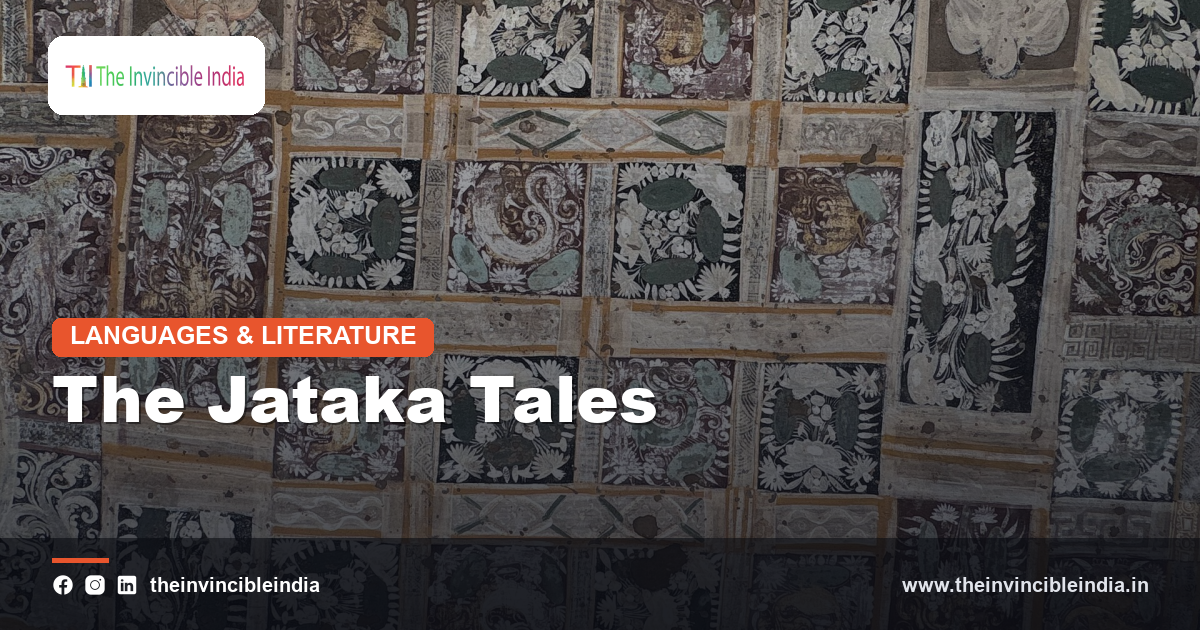
The Jataka Tales have inspired extensive artistic representation across South and Southeast Asia, appearing as painted murals and carved reliefs at numerous Buddhist sites, illustrating key scenes and moral moments from individual stories. Such depictions served an important educational function, allowing illiterate visitors to engage with the narratives through visual storytelling.
These artistic renderings often display considerable creativity in adapting narrative content to visual form, condensing complex stories into single memorable images or sequences of scenes. The survival of such artwork at various historical Buddhist sites provides valuable evidence of how widely and deeply the Jataka Tales permeated devotional and artistic culture across the region.
Oral Storytelling Tradition
Long before their formal compilation into written scripture, the Jataka Tales likely circulated through oral storytelling traditions, shared by teachers, monks and lay storytellers as a means of conveying moral and religious instruction to broad audiences. This oral heritage contributed to the narrative vividness and memorable structure characteristic of the tales.
Oral transmission also allowed for regional variation and adaptation, with different communities emphasising particular stories or introducing local narrative flourishes while retaining the core moral message. This flexible, living tradition of oral storytelling helped ensure the continued popularity and adaptability of the Jataka Tales across diverse cultural settings.
Influence on the Panchatantra and Fable Traditions
The narrative techniques and animal characters found in the Jataka Tales share notable similarities with other major Indian fable traditions, including collections of moral stories that similarly use animal protagonists to convey practical and ethical wisdom. Scholars have long noted these connections, pointing to a shared pool of traditional Indian narrative material.
This cross-pollination between religious and secular fable traditions illustrates the deep interconnection of Indian storytelling culture, in which similar narrative structures and characters could be adapted to serve different purposes, whether religious instruction or general moral and practical guidance. Such shared heritage underscores the broad influence of Jataka-style storytelling within Indian literature.
Spread Beyond India
As Buddhism spread across Asia, the Jataka Tales travelled with it, becoming an integral part of Buddhist literary and artistic culture in regions including Sri Lanka and various parts of Southeast Asia. Local adaptations and translations helped the tales resonate within diverse cultural contexts, often incorporating regional artistic and narrative styles.
This geographic spread contributed to considerable variation in how individual Jataka stories were told, illustrated and emphasised across different Buddhist communities, while the core narrative framework and moral purpose remained broadly consistent. The tales thus became a shared element of Buddhist cultural heritage across a wide and diverse region.
Role in Buddhist Education
Within Buddhist monastic and lay educational settings, the Jataka Tales have long served as effective teaching tools, used to introduce students and devotees to core ethical concepts through engaging, memorable narrative. Their accessible storytelling format made them particularly suitable for educating audiences of varying ages and levels of religious knowledge.
Monastic teachers frequently drew upon specific Jataka stories to illustrate points during religious instruction, using the tales as a bridge between abstract doctrine and everyday moral reasoning. This educational role has persisted into the present, with the Jataka Tales continuing to feature in religious and moral education across Buddhist communities.
Language and Translations
The Jataka Tales were originally preserved in Pali, the canonical language of Theravada Buddhist scripture, though the underlying narrative material likely circulated earlier in various regional languages and oral forms. Over subsequent centuries, the tales have been translated into numerous languages, reflecting their widespread appeal well beyond their original linguistic context.
These translations have played a crucial role in introducing the Jataka Tales to international audiences, supporting both academic study of Buddhist literature and popular interest in the stories as moral fables in their own right. The continued production of new translations and retellings reflects the ongoing relevance and accessibility of the collection.
Modern Retellings
In the modern era, the Jataka Tales continue to be retold in children’s books, illustrated collections and educational materials, adapted to suit contemporary audiences while preserving their essential moral content. These modern versions often simplify narrative complexity while retaining the memorable characters and clear ethical lessons of the original stories.
Such retellings help ensure that new generations continue to encounter the Jataka Tales, whether through formal religious education, general literature curricula or popular storytelling media. This continued adaptation reflects the timeless and flexible nature of the tales, capable of speaking to audiences well removed from their original historical and religious context.
The Jataka Tales Today
Today, the Jataka Tales remain widely read and celebrated, valued both within Buddhist religious practice and as an important contribution to the broader heritage of Indian and Asian storytelling. Their combination of memorable narrative and clear ethical teaching continues to resonate with readers across different cultural and generational contexts.
As both scripture and popular fable, the Jataka Tales occupy a distinctive place in world literature, illustrating how storytelling can serve as a powerful vehicle for moral and spiritual instruction. Their continued presence in art, education and popular retelling ensures that this ancient collection remains a living part of cultural memory.
Sources & Further Reading
- Sahitya Akademi.
- Ministry of Culture, Government of India (indiaculture.gov.in).
Frequently Asked Questions
What are the Jataka Tales?
The Jataka Tales are a collection of Buddhist stories recounting the previous lives of the Buddha, in which the Bodhisattva demonstrates virtues such as generosity, patience and wisdom.
Who is the Bodhisattva in the Jataka Tales?
The Bodhisattva refers to the being who would eventually become the Buddha, appearing in different human and animal forms across the many stories in the collection.
Why do many Jataka Tales feature animals?
Animal characters allow moral lessons to be presented in an engaging, memorable form accessible to a wide audience, a common technique in fable traditions.
Where are the Jataka Tales preserved?
The Jataka Tales are preserved within the Pali Canon of Theravada Buddhist scripture, alongside commentary that provides context for each story.
How have the Jataka Tales influenced art?
The Jataka Tales inspired extensive painted and carved depictions at Buddhist sites across South and Southeast Asia, used to teach the stories through visual imagery.


