


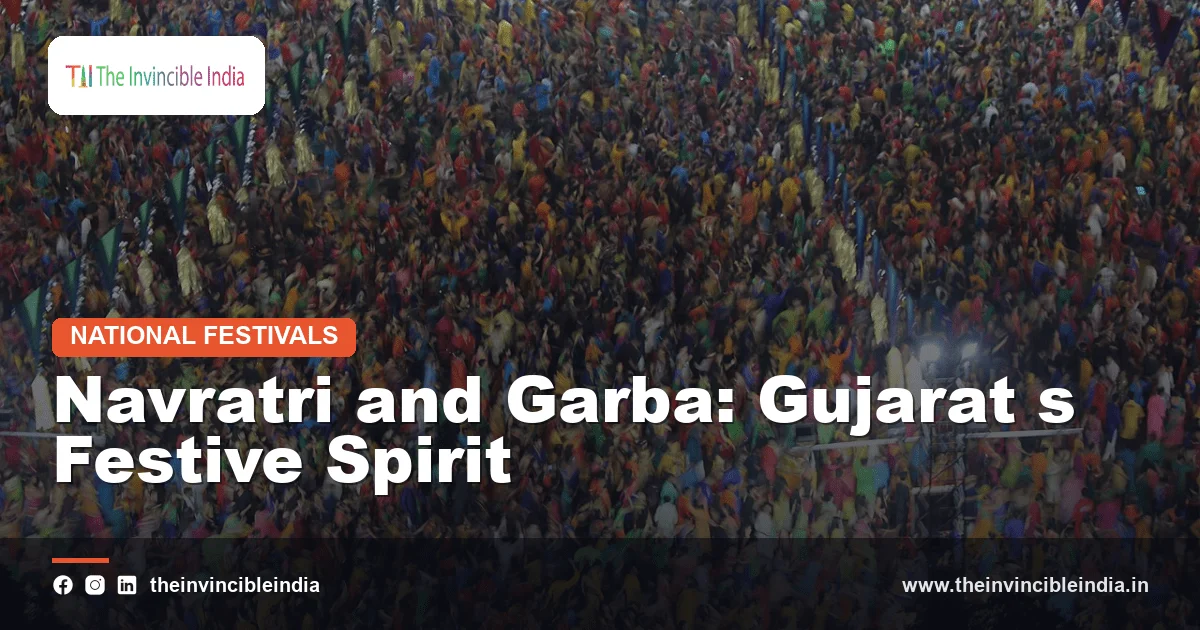
Navratri, meaning “nine nights”, is one of the most vibrant and joyous festivals of India, and nowhere is it celebrated with more energy and colour than in Gujarat, where the nights come alive with the swirling rhythms of Garba and Dandiya Raas. Dedicated to the worship of the goddess Durga in her nine forms, Navratri is a spectacular blend of devotion, music, dance and community. For nine nights, people dressed in dazzling traditional attire gather to dance until the early hours in a celebration of faith and festivity. This guide explores the meaning, traditions and exuberant celebrations of Navratri and Garba in Gujarat.
Quick Facts: Navratri and Garba
| Detail | Information |
|---|---|
| Meaning | “Nine nights” dedicated to goddess Durga |
| Main region for Garba | Gujarat |
| When | September or October |
| Signature dances | Garba and Dandiya Raas |
| Worships | The nine forms of goddess Durga (Navadurga) |
| Culminates in | Dussehra (Vijayadashami) |
The Significance of Navratri
Navratri is a festival dedicated to the worship of the divine feminine, the goddess Durga, in her nine manifestations known as the Navadurga, with each of the nine nights devoted to a different form. The festival celebrates the triumph of good over evil, commemorating the goddess’s victory over the demon Mahishasura, and is a time of devotion, fasting, prayer and celebration. It occurs during the transition of seasons and is considered highly auspicious. While observed across India in various forms, in Gujarat Navratri takes on its most festive and famous character through the traditions of Garba and Dandiya, making it the cultural highlight of the year.
Garba: The Dance of Devotion
Garba is the heart and soul of Gujarati Navratri, a graceful and energetic folk dance performed in a circle around a central shrine or an earthen lamp (garbo) representing the goddess. The dancers, moving in rhythmic, flowing steps with claps and twirls, form concentric circles that revolve around the divine centre, symbolising the cycle of life and the eternal presence of the goddess. Accompanied by devotional songs and live music, Garba begins gently and builds in tempo and intensity through the night. Both a form of worship and a joyful celebration, Garba embodies the beautiful fusion of spirituality and festivity that defines Navratri.
Dandiya Raas: The Dance of Swords
Complementing Garba is Dandiya Raas, the lively and colourful stick dance that is equally central to Gujarati Navratri celebrations. Performed with pairs of decorated wooden sticks (dandiya), dancers strike their sticks together with those of their partners in intricate, rhythmic patterns while moving in coordinated formations. Said to represent the mock battle between the goddess Durga and the demon Mahishasura, Dandiya Raas is fast-paced, energetic and immensely enjoyable, often performed after the Garba as the night progresses. Together, Garba and Dandiya fill the festive grounds with rhythm, colour and joyous energy for all nine nights.
Attire, Music and Festivity
Navratri in Gujarat is a feast for the eyes, with participants dressed in stunning traditional attire. Women wear the vibrant chaniya choli, a colourful embroidered skirt and blouse adorned with mirror work and heavy jewellery, while men don the kediyu and colourful turbans. The celebrations are set to lively folk and devotional music, traditionally played on instruments such as the dhol, though modern celebrations often feature contemporary music as well. Grand community events and Garba nights are organised across cities and villages, drawing thousands of dancers and creating an atmosphere of unmatched energy, colour and communal joy throughout the nine nights.
The Nine Forms of the Goddess
Central to the meaning of Navratri is the worship of the Navadurga, the nine divine forms of the goddess Durga, with each of the nine nights dedicated to a particular manifestation. These forms include Shailaputri, the daughter of the mountains; Brahmacharini, the embodiment of penance; Chandraghanta, Kushmanda, Skandamata, Katyayani, Kalaratri, Mahagauri and Siddhidatri, each representing different aspects of divine feminine energy, from nurturing motherhood to fierce protection and the granting of wisdom and blessings. Devotees worship a different form each day, often wearing specific colours associated with each goddess. This progression through the nine forms gives Navratri its deep spiritual structure, celebrating the many facets of Shakti, the primordial feminine power that sustains the universe.
Fasting and Devotional Practices
Alongside the festivities, Navratri is a time of devotion, fasting and spiritual discipline for many. Devotees observe fasts of varying strictness, abstaining from grains, certain foods and often onion and garlic, consuming instead fruits, milk, and special fasting dishes made from ingredients such as buckwheat, water chestnut flour and sabudana (tapioca pearls). These fasts are seen as a means of purifying the body and mind and expressing devotion to the goddess. Daily prayers, the lighting of the sacred lamp, recitation of scriptures, and visits to temples are integral parts of the observance. This blend of festivity and devotion, of joyous dancing and disciplined worship, gives Navratri its unique and balanced character.
The Garba Grounds and Community Spirit
During Navratri, cities, towns and villages across Gujarat come alive with organised Garba events held in open grounds, community halls, societies and large venues, drawing thousands of participants each night. These gatherings, ranging from intimate neighbourhood celebrations to massive commercial events with live orchestras and famous singers, are at the heart of the festival’s community spirit. People of all ages, from young children to the elderly, join the circles to dance, and the sense of togetherness, shared joy and collective devotion is palpable. The Garba grounds become a vibrant meeting place where families reunite, friendships are renewed, and the entire community celebrates its culture and faith as one.
Navratri Across India
While Gujarat is famous for Garba and Dandiya, Navratri is celebrated in diverse and distinctive ways across India. In West Bengal and eastern India, it coincides with the grand Durga Puja; in the north, it is marked by fasting, the Ramlila performances and the burning of Ravana’s effigy on Dussehra; and in the south, homes display the beautiful Golu, an arrangement of dolls and figurines on tiered steps. Maharashtra, Karnataka and other states each have their own customs and traditions. This remarkable diversity, all centred on the worship of the goddess and the triumph of good over evil, showcases the unity in variety that characterises Indian festivals and culture.
The Spirit and Appeal of Navratri
The enduring appeal of Navratri lies in its beautiful fusion of devotion, culture, music, dance and community. It is a festival that engages the body and the spirit alike, allowing people to express their faith through worship and fasting while celebrating life through joyous dancing and festivity. The dazzling attire, the infectious rhythms, the sense of belonging, and the shared reverence for the divine feminine create an atmosphere of unmatched energy and warmth. For nine nights, communities come together to dance, pray and rejoice, making Navratri not only a religious observance but a vibrant celebration of Gujarati and Indian culture that captivates all who take part.
The Origins and Evolution of Garba
The tradition of Garba has deep and ancient roots in Gujarat, originally performed as a devotional dance in honour of the goddess, with the earthen pot (garbo) at the centre symbolising the womb and the source of life. The word “garba” itself is connected to the concept of the womb, reflecting the dance’s celebration of fertility, creation and the divine feminine. Over the centuries, this sacred folk dance has evolved from an intimate temple and courtyard ritual into the grand, large-scale celebration seen today. While modern Garba has embraced contemporary music, choreography and huge public venues, at its heart it remains a beautiful expression of devotion, community and reverence for the goddess, preserving its spiritual essence amid the festivity.
Dussehra: The Grand Finale
The nine nights of Navratri culminate in the tenth day, Dussehra, also known as Vijayadashami, which celebrates the ultimate triumph of good over evil. This auspicious day commemorates both the goddess Durga’s victory over the demon Mahishasura and, in many traditions, Lord Rama’s victory over the demon king Ravana. Across India, Dussehra is marked in various ways, from the burning of towering effigies of Ravana in the north to grand processions and celebrations elsewhere. It is considered a highly auspicious day for new beginnings and ventures. Following the joyous energy of the Navratri nights, Dussehra provides a fitting and meaningful conclusion to the festival, reaffirming the timeless message of the victory of righteousness.
Navratri Around the World
The vibrant traditions of Navratri and Garba have spread far beyond Gujarat and India, carried by the large Gujarati and Indian diaspora to communities around the globe. In countries such as the United States, the United Kingdom, Canada and beyond, grand Garba and Dandiya events are organised during Navratri, drawing large crowds of enthusiastic dancers dressed in traditional finery. These celebrations not only allow the diaspora to stay connected to their cultural and religious roots but also introduce the joy and beauty of Garba to people of other backgrounds. The global popularity of these dances is a testament to their infectious energy and universal appeal, making Navratri a truly worldwide celebration of culture and devotion.
A Celebration for All
One of the most wonderful aspects of Navratri in Gujarat is its warm and inclusive spirit, which welcomes people of all ages and backgrounds to join in the celebrations. Grandparents, parents and children all take to the Garba grounds together, and newcomers are gently encouraged to learn the steps and become part of the swirling circles. Visitors and tourists are often invited to participate, discovering the joy of the dance firsthand. This openness, combined with the festival’s infectious energy, beautiful attire and devotional heart, makes Navratri a truly communal celebration that strengthens bonds of family and friendship, and leaves everyone who takes part with lasting memories of colour, rhythm and shared happiness.
The Joy of Nine Nights
Navratri captures the very spirit of Gujarat, a joyful blend of deep devotion and exuberant celebration that unites entire communities for nine unforgettable nights. From the graceful circles of Garba to the spirited beats of Dandiya, from the dazzling traditional attire to the heartfelt worship of the goddess, the festival is a feast for the senses and the soul. It is a time when faith and festivity dance together beneath the autumn skies, leaving all who take part filled with energy, joy and a deep sense of belonging.
Frequently Asked Questions
What is Navratri?
Navratri is a nine-night Hindu festival dedicated to the worship of the goddess Durga in her nine forms, celebrating the triumph of good over evil and observed with devotion, fasting and festivity.
What is Garba?
Garba is a traditional Gujarati folk dance performed in circles around a central shrine or lamp representing the goddess, combining devotion with joyful, rhythmic movement during Navratri.
What is the difference between Garba and Dandiya?
Garba is performed with flowing hand and clapping movements in a circle, while Dandiya Raas is performed with pairs of decorated wooden sticks struck in rhythmic patterns, representing a mock battle.
When is Navratri celebrated?
Navratri is celebrated over nine nights in September or October, culminating in Dussehra (Vijayadashami), which marks the victory of good over evil.