


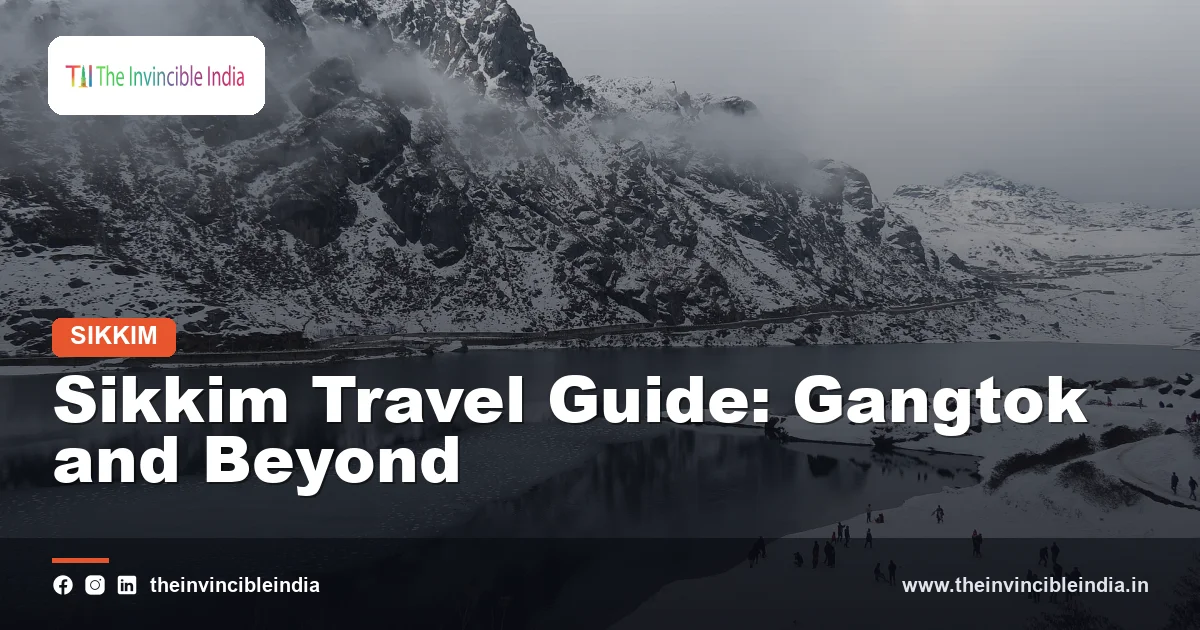
Sikkim, nestled in the eastern Himalayas, is a small but spectacularly beautiful state that captivates every visitor. A land of towering snow peaks, ancient Buddhist monasteries, cascading waterfalls, alpine lakes and valleys carpeted with flowers, it is watched over by Kanchenjunga, the third-highest mountain in the world. India’s first fully organic state and one of its cleanest and greenest, Sikkim offers pristine nature, rich culture and warm hospitality. This detailed guide covers the highlights of Sikkim and how to plan your trip.
Quick Facts
| Capital | Gangtok |
| Guardian peak | Kanchenjunga (world’s 3rd highest) |
| Distinction | India’s first fully organic state |
| Best time to visit | March to May; October to December |
Gangtok
The lively capital, Gangtok, is the usual starting point for exploring Sikkim. Perched on a ridge with views of Kanchenjunga on clear days, it offers a pleasant blend of modern comforts and Himalayan charm, from the bustling, pedestrianised MG Marg to monasteries, viewpoints, a cable car and a lively food and cafe scene. Nearby attractions such as the Rumtek Monastery and the Enchey Monastery make Gangtok an ideal base for the first part of any trip.
Tsomgo Lake and Nathula Pass
A short but dramatic drive from Gangtok leads to Tsomgo (Changu) Lake, a glacial lake at around 3,750 metres that freezes in winter and reflects the surrounding snow peaks in summer, often visited alongside yak rides on its shores. Further along the old Silk Road route lies Nathula Pass, a high mountain pass on the India-China border, open to Indian visitors with permits, offering a sense of history and spectacular high-altitude scenery.
Pelling and the Kanchenjunga Views
In western Sikkim, the town of Pelling is famous for its close-up, awe-inspiring views of Mount Kanchenjunga, especially at sunrise. It is also home to the historic Pemayangtse Monastery, one of the oldest in Sikkim, the ruins of the old capital at Rabdentse, the sacred Khecheopalri Lake, and the impressive Sky Walk, making it a rewarding destination for both scenery and heritage.
North Sikkim: Yumthang and Beyond
The remote and stunning North Sikkim is a highlight for many travellers. The Yumthang Valley, known as the “Valley of Flowers,” blazes with rhododendrons in spring, while the higher Zero Point and the pristine Gurudongmar Lake, one of the highest lakes in the world, offer awe-inspiring high-altitude landscapes. The villages of Lachung and Lachen serve as bases for exploring this magnificent region, which requires permits and careful acclimatisation.
Monasteries and Buddhist Heritage
Sikkim’s deep Buddhist heritage is reflected in its many beautiful monasteries. Rumtek Monastery, one of the most significant centres of Tibetan Buddhism in India, Pemayangtse, Tashiding and Enchey are among the most revered, their prayer flags, murals, golden statues and chanting monks creating an atmosphere of profound peace. Visiting these gompas offers both spiritual serenity and a window into the region’s living culture.
Culture, Festivals and Cuisine
Sikkim is home to a harmonious mix of communities, including the Lepcha, Bhutia and Nepali peoples, and their cultures are celebrated through vibrant festivals such as Losar (the Tibetan new year), Saga Dawa and the masked Cham dances performed at the monasteries. The local cuisine features warming dishes such as momos, thukpa and the fermented drink chaang, and the state’s commitment to organic farming means fresh, wholesome produce throughout.
Permits, Responsible Travel and Nature
Certain areas of Sikkim, particularly the border regions and North Sikkim, require permits, which are easily arranged through registered tour operators. As a state that takes great pride in its clean, green and organic status, Sikkim asks visitors to travel responsibly — avoiding plastic, respecting local customs and monasteries, and protecting its pristine environment. This care is part of what makes travelling here so special.
Best Time to Visit and How to Reach
The best times to visit Sikkim are spring (March to May), when the rhododendrons bloom, and autumn (October to December), when the skies are clear for mountain views. Sikkim is usually reached via the nearby state of West Bengal, with the closest airport at Pakyong (near Gangtok) or the larger Bagdogra airport, and the nearest major railhead at New Jalpaiguri, from where Gangtok is a scenic drive of four to five hours.
The Regions of Sikkim
Sikkim is compact but wonderfully varied, and understanding its regions helps in planning. East Sikkim, centred on Gangtok, offers the capital, Tsomgo Lake and Nathula Pass. West Sikkim, around Pelling, is known for Kanchenjunga views, ancient monasteries and gentle treks. North Sikkim, the most remote and spectacular, holds the Yumthang Valley, Lachung, Lachen and the high Gurudongmar Lake. South Sikkim, quieter and greener, is home to the giant Buddha statue at Ravangla and tea gardens. Each region has its own character and permit requirements.
Trekking in Sikkim
Sikkim is a superb destination for trekkers. The famous Goecha La trek leads to a stunning close-up viewpoint of Kanchenjunga, passing through rhododendron forests and the base camp region of Dzongri. Other rewarding routes include the Dzongri trek and gentle village walks in the west. Trekking through Sikkim’s pristine forests, alpine meadows and high passes, with the great peaks always on the horizon, is one of the finest Himalayan experiences in India.
Flora, Fauna and the Natural World
Sikkim is a biodiversity hotspot, home to an astonishing variety of plants and animals across its range of altitudes. It boasts hundreds of species of orchids and rhododendrons, and its forests and high reaches shelter rare wildlife such as the red panda (the state animal), the snow leopard, the Himalayan black bear and the blue sheep. The Khangchendzonga National Park, a UNESCO World Heritage Site, protects much of this natural wealth and the sacred peak at its heart.
Sikkimese Cuisine
The cuisine of Sikkim is warming, wholesome and shaped by its Himalayan setting and diverse communities. Momos and thukpa are beloved staples, alongside dishes such as gundruk (fermented leafy greens), sinki, phagshapa (pork with radish) and sel roti (a sweet rice bread). The traditional fermented millet drink, chaang, sipped from a bamboo vessel, is a local favourite. As India’s first organic state, Sikkim takes pride in its fresh, chemical-free produce.
The Organic State Story
Sikkim made history by becoming India’s first fully organic state, having phased out chemical fertilisers and pesticides across all its farmland. This visionary achievement, recognised internationally, reflects the state’s deep commitment to sustainability and environmental care, which also shows in its cleanliness and green cover. For travellers, it means wholesome food and the reassurance of visiting a place that takes genuine pride in protecting its pristine natural heritage.
Homestays, Responsible Travel and Itinerary
One of the best ways to experience Sikkim is through its welcoming homestays, especially in villages, which offer authentic food, warm hospitality and a real insight into local life. As a clean, green and eco-conscious state, Sikkim asks visitors to travel responsibly — avoiding plastic, respecting monasteries and customs, and protecting the environment. A rewarding week-long itinerary might combine Gangtok and East Sikkim, Pelling in the west, and, for those with time and the right permits, the breathtaking valleys and lakes of North Sikkim.
Festivals of Sikkim
Sikkim’s festivals are colourful expressions of its rich cultural and religious life. Losar, the Tibetan New Year, and Losoong, the Sikkimese New Year, are marked with dance, feasting and monastery rituals. Saga Dawa honours the life of the Buddha, and the dramatic masked Cham dances performed at monasteries such as Rumtek and Pemayangtse are mesmerising spectacles of devotion and artistry. The Nepali community celebrates festivals like Dashain and Tihar, reflecting the state’s harmonious diversity.
Best Time to Visit Month by Month
Sikkim can be visited year-round, but the best times are spring (March to May), when rhododendrons and orchids bloom and the valleys are lush, and autumn (October to early December), when the skies are clearest for uninterrupted views of Kanchenjunga. Winter is cold, with snow in the higher regions, while the monsoon (June to September) brings heavy rain and the risk of landslides that can disrupt travel, though the hills are beautifully green.
Practical Tips for Visiting Sikkim
A little preparation makes a Sikkim trip smoother. Carry a valid photo ID and passport-sized photographs for the permits required in certain areas. Pack warm layers, as mountain weather is changeable and cold at altitude, along with sturdy footwear and rain protection. Roads are winding, so allow ample travel time and consider hiring a local driver. Acclimatise gradually before visiting very high areas like Gurudongmar Lake, and always respect monastery etiquette and local customs.
Why Sikkim Enchants
Sikkim enchants visitors with its rare blend of natural splendour, spiritual depth and genuine care for the environment. From the majestic presence of Kanchenjunga and the serenity of ancient monasteries to flower-filled valleys, clean green villages and warm, welcoming people, it offers a Himalayan experience that feels both awe-inspiring and deeply peaceful. As India’s first organic state, Sikkim is a shining example of how tourism and sustainability can go hand in hand, leaving every traveller enriched and inspired.
The Cuisine of Sikkim
Sikkimese cuisine reflects the state’s cultural mix and mountain setting. Steamed momos filled with vegetables or meat, the hearty noodle soup thukpa, and the fermented soybean dish gundruk are much loved, along with the traditional millet-based drink tongba, sipped warm from a bamboo vessel. The emphasis on fresh, local and often organic ingredients gives the food a wholesome, distinctive character. Sampling these dishes, especially in a local eatery or homestay, is a delicious way to connect with Sikkim’s culture.
How to Reach Sikkim
Reaching Sikkim is part of the adventure. The nearest airport is Pakyong, near Gangtok, while the larger Bagdogra Airport in West Bengal and the railway station at New Jalpaiguri (NJP) serve as the main gateways. From there, shared jeeps and taxis make the scenic climb into the hills to Gangtok, roughly four to five hours away. The winding mountain roads, with their views of terraced fields and forested slopes, offer a memorable introduction to this beautiful Himalayan state.
Where to Stay in Sikkim
Sikkim offers a wide range of places to stay, from comfortable hotels and boutique resorts in Gangtok to charming homestays in villages such as Lachung, Lachen and Yuksom. Homestays are especially rewarding, offering warm hospitality, home-cooked meals and a genuine glimpse of local life. Booking in advance during the peak spring and autumn seasons is recommended to secure the best options in this increasingly popular destination.
Frequently Asked Questions
What is Sikkim famous for?
Sikkim is famous for Gangtok, views of Kanchenjunga, ancient monasteries, alpine lakes and being India’s first organic state.
When is the best time to visit Sikkim?
March to May for flowers and October to December for clear mountain views.
Do you need a permit to visit Sikkim?
Certain areas, especially the border regions and North Sikkim, require permits, easily arranged through tour operators.
Which is the highest lake in Sikkim?
Gurudongmar Lake in North Sikkim is one of the highest lakes in the world.
How do you reach Sikkim?
Sikkim is reached via Bagdogra airport or New Jalpaiguri railway station in West Bengal, followed by a scenic drive to Gangtok.