

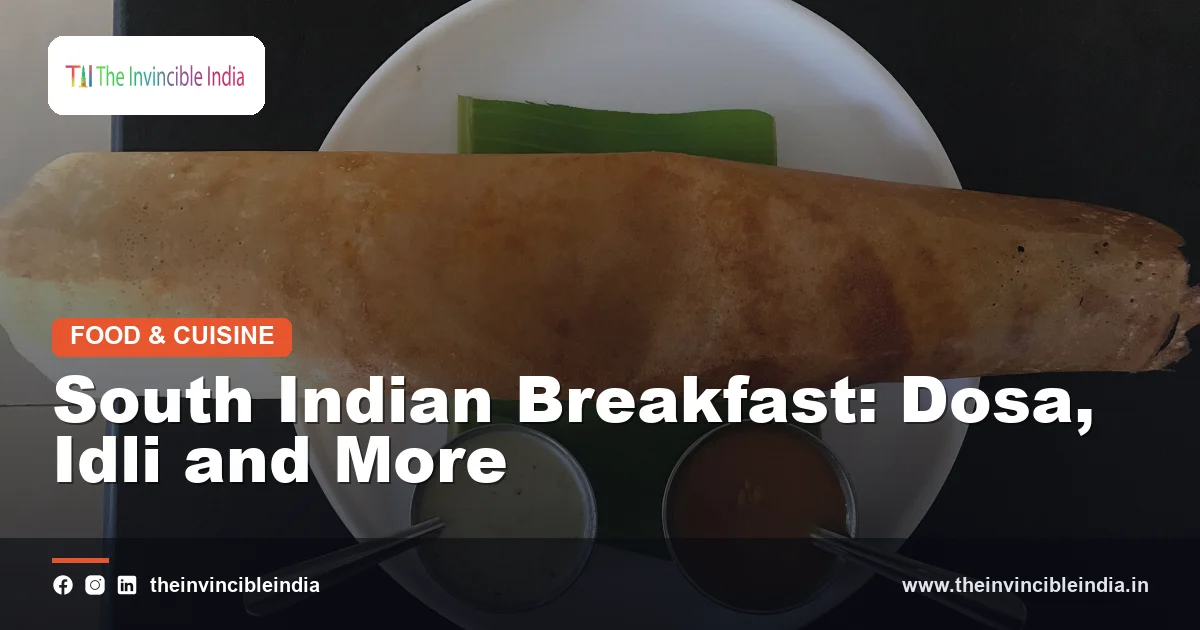
South Indian breakfast is celebrated across India and the world for being delicious, wholesome, largely vegetarian and often remarkably healthy. From the crispy golden dosa and fluffy steamed idli to the savoury vada and comforting upma, the morning tables of Tamil Nadu, Karnataka, Kerala and Andhra Pradesh offer an incredible variety of flavours and textures. Accompanied by fragrant sambar and an array of chutneys, and washed down with strong filter coffee, a South Indian breakfast is a true culinary delight. This guide explores the most beloved South Indian breakfast dishes and what makes them so special.
Quick Facts: South Indian Breakfast
| Detail | Information |
|---|---|
| Region | Tamil Nadu, Karnataka, Kerala, Andhra Pradesh, Telangana |
| Staple ingredients | Rice, lentils, coconut, spices |
| Iconic dishes | Dosa, idli, vada, upma, pongal |
| Classic accompaniments | Sambar and chutneys |
| Signature drink | South Indian filter coffee |
| Often | Fermented, steamed and light on oil |
Idli: The Steamed Delight
The idli is perhaps the healthiest and most beloved of all South Indian breakfasts, a soft, fluffy, steamed cake made from a fermented batter of rice and urad dal (black gram). Light, easily digestible and low in calories, idlis are a nutritious start to the day, and the fermentation process enhances both their flavour and their health benefits. Served hot with sambar and coconut chutney, idlis are a staple across South India and have won admirers everywhere. Variations such as rava idli, made with semolina, and the tiny button idlis add to their appeal.
Dosa: The Crispy Classic
The dosa is the undisputed king of South Indian breakfast, a thin, crispy crepe made from the same fermented rice and lentil batter as the idli, cooked to golden perfection on a hot griddle. The most famous version is the masala dosa, filled with a spiced potato mixture, but the varieties are almost endless, from the plain and paper dosa to the ghee roast, onion, rava and set dosa. Crisp, savoury and utterly satisfying, and served with sambar and chutneys, the dosa is a dish that has become popular across India and around the globe.
Vada, Upma and Pongal
The medu vada is a savoury, doughnut-shaped fritter made from urad dal batter, crispy on the outside and soft within, and a perfect companion to idli and dosa. Upma, made from roasted semolina cooked with vegetables, spices and curry leaves, is a quick, comforting and popular breakfast. Ven pongal, a creamy, savoury dish of rice and lentils tempered with black pepper, cumin, ginger and cashews, is another wholesome favourite, especially in Tamil Nadu. Together with dishes like uttapam (a thick, savoury pancake), these round out the rich variety of the South Indian morning table.
Sambar, Chutneys and Filter Coffee
No South Indian breakfast is complete without its accompaniments. Sambar, a flavourful lentil and vegetable stew tangy with tamarind and fragrant with spices, is the classic partner to almost every dish. Alongside it come a variety of chutneys, most famously coconut chutney, but also tomato, onion, coriander and spicy varieties. And to finish, the incomparable South Indian filter coffee, strong, aromatic and frothy, served in a traditional steel tumbler and davara, is the perfect way to complete a satisfying and delicious breakfast experience.
The Health Benefits of South Indian Breakfast
One of the reasons South Indian breakfast has gained admirers around the world is its reputation for being genuinely healthy. Many of the classic dishes, such as idli and plain dosa, are steamed or cooked with minimal oil, making them light and easy to digest. The fermentation of the rice and lentil batter used for idli and dosa not only gives them their characteristic flavour and texture but also increases the availability of nutrients and introduces beneficial probiotics that aid gut health. The combination of rice (carbohydrates) and lentils (protein) provides a balanced, wholesome start to the day, while accompaniments like sambar add vegetables and additional protein, making a traditional South Indian breakfast both nutritious and satisfying.
The Ritual of Filter Coffee
For millions in South India, the day is incomplete without a cup of authentic filter coffee, a beverage that is as much a ritual as a drink. Made by brewing finely ground coffee (often blended with chicory) in a traditional metal filter, the strong decoction is mixed with hot, frothy milk and sugar and served in a distinctive steel tumbler and davara (a wide-mouthed bowl). The coffee is skilfully poured back and forth between the two vessels to cool it and create a rich froth, a practice that gives it a unique taste and texture. This beloved filter coffee, strong and aromatic, is the perfect accompaniment to a South Indian breakfast and a cherished part of daily life.
Regional Variations Across the South
While idli, dosa and vada are common across South India, each state adds its own distinctive dishes and flavours to the breakfast table. Karnataka is famous for its crisp masala dosa, set dosa and the rich Mysore masala dosa, as well as rava idli. Tamil Nadu offers ven pongal, idiyappam (string hoppers) and countless dosa varieties. Kerala is known for appam (a soft, lacy rice pancake) served with stew, puttu (steamed rice and coconut) with kadala curry, and idiyappam. Andhra Pradesh and Telangana add their signature pesarattu (a green gram dosa) and spicy accompaniments. This regional diversity means the South Indian breakfast experience is wonderfully varied and endlessly interesting to explore.
South Indian Breakfast Around the World
The appeal of South Indian breakfast has spread far beyond India’s borders. Dishes like the dosa and idli have become popular internationally, featuring on the menus of Indian restaurants across the globe and winning admirers with their unique flavours, textures and healthy reputation. The dosa in particular, with its endless variety of fillings and its satisfying crispness, has achieved almost cult status among food lovers worldwide. This global popularity is a testament to the timeless appeal and versatility of South Indian cuisine, which manages to be at once comforting, delicious, nutritious and endlessly adaptable to different tastes and preferences.
The Culture of the South Indian Meal
Beyond the food itself, the South Indian breakfast reflects a rich culture of dining and hospitality. Traditionally, meals are often served on a banana leaf, which is both eco-friendly and believed to impart a subtle flavour, and eating with the hands is considered part of the authentic experience. Breakfast is an important and unhurried affair, whether enjoyed at home, at a bustling local tiffin centre, or in one of the famous heritage restaurants that have served the same beloved dishes for generations. This combination of delicious food, healthy preparation, warm hospitality and deep-rooted tradition makes the South Indian breakfast a truly special culinary experience.
Appam and the Breakfasts of Kerala
Kerala offers some of the most distinctive and delicious breakfasts in South India. The appam, a soft, lacy pancake made from fermented rice batter with a fluffy centre and crisp edges, is a beloved speciality, traditionally served with a mild vegetable or chicken stew. Puttu, steamed cylinders of ground rice and grated coconut, is another Kerala classic, often paired with kadala curry (black chickpeas) or ripe bananas. Idiyappam, delicate string hoppers made of rice flour, is enjoyed with stew or sweetened coconut milk. These unique dishes reflect Kerala’s abundant use of rice and coconut and add wonderful variety to the South Indian breakfast repertoire.
The Tiffin Culture
Central to the South Indian breakfast tradition is the concept of “tiffin”, a term used for light meals and snacks, particularly breakfast and evening refreshments. Across the south, countless “tiffin centres” and traditional restaurants specialise in serving freshly made idli, dosa, vada and other morning favourites, often bustling from the early hours with people enjoying a quick, wholesome and affordable breakfast. Many of these establishments have been serving the same beloved dishes for generations and are treasured local institutions. This vibrant tiffin culture, where delicious, freshly cooked food is available to all, is a cherished part of everyday life in South India.
Breakfast and Well-Being
The South Indian approach to breakfast reflects a wider philosophy that food should nourish both body and mind. The emphasis on fermented, steamed and lightly cooked dishes, balanced combinations of grains and lentils, and the inclusion of vegetables, herbs and spices with digestive and medicinal properties aligns closely with traditional ideas of healthy eating. Ingredients such as curry leaves, black pepper, ginger and cumin, common in these dishes, are valued in Ayurveda for their beneficial properties. This thoughtful balance of taste, nutrition and well-being is one of the reasons the South Indian breakfast has endured for centuries and continues to be embraced by health-conscious food lovers today.
Why South Indian Breakfast Endures
The enduring popularity of the South Indian breakfast, both within India and around the world, rests on a rare combination of qualities. It is delicious and endlessly varied, offering everything from crisp dosas to soft idlis and comforting pongal; it is healthy, relying on fermentation, steaming and wholesome ingredients; it is largely vegetarian and suitable for a wide range of diets; and it is deeply rooted in a rich culture of hospitality and tradition. Whether enjoyed at a humble tiffin centre, a grand heritage restaurant, or a family kitchen, the South Indian breakfast, rounded off with a cup of aromatic filter coffee, remains one of the great and beloved culinary traditions of India.
Bringing South Indian Breakfast Home
The wonderful thing about South Indian breakfast is that many of its dishes can be recreated at home, allowing anyone to enjoy these healthy, flavourful meals. While making the fermented batter for idli and dosa requires a little planning, ready-made batters and instant mixes have made these dishes more accessible than ever, and quick options like upma and pongal can be prepared in minutes. Stocking a few essentials, such as rice, urad dal, semolina, curry leaves, mustard seeds and coconut, opens the door to a whole world of delicious morning meals. With a little practice, the crisp dosa, the fluffy idli and the comforting sambar can become cherished features of the home breakfast table.
A Beloved Tradition
From the humblest home kitchen to the grandest restaurant, the South Indian breakfast remains a beloved and living tradition, cherished for its flavour, its wholesomeness and the warmth of hospitality that surrounds it. Whether it is the first crisp dosa of the morning or a comforting bowl of pongal shared with family, these dishes nourish both body and spirit and continue to win hearts far beyond their southern homeland.
Frequently Asked Questions
What is a typical South Indian breakfast?
A typical South Indian breakfast includes dishes such as idli, dosa, vada, upma or pongal, served with sambar and a variety of chutneys, and accompanied by strong filter coffee.
Is South Indian breakfast healthy?
Yes, many South Indian breakfast dishes are healthy, being steamed rather than fried (like idli), made from fermented batters that aid digestion, and largely based on rice, lentils and vegetables.
What is the difference between idli and dosa?
Both are made from a similar fermented rice and lentil batter, but idli is steamed into a soft, fluffy cake, while dosa is spread thin and cooked crisp on a griddle like a crepe.
What is sambar?
Sambar is a flavourful South Indian lentil and vegetable stew, tangy with tamarind and seasoned with a special spice blend, served as an accompaniment to most breakfast dishes.


