

The stepwells of India are among the most remarkable and beautiful works of architecture in the country, magnificent structures of water that combine practical genius with extraordinary artistic splendour. Built over the centuries, especially in the drier regions of the west and north, these deep wells with their descending flights of steps were created to store and provide water through the dry seasons, and many were adorned with such beauty of carving and design that they are wonders of art as well as engineering. From the magnificent Rani ki Vav to the dizzying Chand Baori and many others, the stepwells are a glory of India’s architectural heritage. This guide explores the magnificent stepwells of India, their history, their architecture, their famous examples and their heritage, among the most remarkable of India’s monuments.
Quick Facts
| Detail | Information |
|---|---|
| Type | The water architecture of India |
| Form | Deep wells with descending flights of steps |
| Purpose | To store and provide water through the dry seasons |
| Regions | Especially the drier west and north |
| Famous example | Rani ki Vav in Gujarat, a World Heritage Site |
| Heritage | Magnificent monuments of art and engineering |
The Architecture of Water
The stepwells of India are among the most remarkable works of architecture in the country, magnificent structures of water that combine practical genius with extraordinary artistic beauty. Built to store and provide water, especially in the drier regions, these deep wells with their descending flights of steps are marvels of engineering, and many are adorned with such beauty of carving and design that they are also wonders of art, making them a unique and glorious tradition of Indian architecture. As the magnificent water architecture of India, combining practical genius with artistic splendour, the stepwells hold a special place among the country’s monuments and are one of the most remarkable and beautiful of its architectural heritages.
What Is a Stepwell
A stepwell is a deep well or reservoir reached by a long descending flight of steps, allowing people to walk down to the level of the water, however low it falls through the dry seasons. Unlike an ordinary well from which water is drawn up, the stepwell has steps leading down to the water, so that people can descend to reach it directly, and the great stepwells are elaborate multi-storeyed structures of galleries, pavilions and stairs descending deep into the earth. This descending form is the essence of the stepwell. This form of the stepwell, a deep well or reservoir reached by a descending flight of steps that allows people to walk down to the water however low it falls, is the essence of the tradition, and the elaborate descending structures of the great stepwells are what make them so remarkable and unique.
A Response to the Climate
The stepwells arose above all as an ingenious response to the climate of the drier regions of India, where water is scarce and the dry seasons long, and the storage of water is vital. In regions of low and seasonal rainfall, the stepwells provided a means of storing water from the rains and reaching it through the long dry months, ensuring a supply of water for drinking, use and irrigation, and they were thus vital to life in these regions. This response to the climate is the origin of the stepwell. This origin of the stepwells as an ingenious response to the climate of the drier regions, where the storage of and access to water through the long dry seasons is vital to life, is fundamental to the tradition, and the genius of the stepwell in meeting this need is one of its most remarkable qualities.
Marvels of Engineering
The great stepwells are marvels of engineering, deep, elaborate and skilfully built structures that descend many storeys into the earth to reach the water. Building these deep structures, with their long flights of steps, their galleries and pavilions, and their ability to withstand the pressure of the earth and hold back or store water, demanded great skill in engineering and construction, and the finest stepwells are astonishing achievements of the builder’s art. This engineering genius is a marvel of the tradition. This character of the great stepwells as marvels of engineering, deep and elaborate structures descending many storeys into the earth, is one of the most remarkable aspects of the tradition, and the skill and genius of the builders in creating these astonishing structures are among the glories of Indian architecture.
Wonders of Art
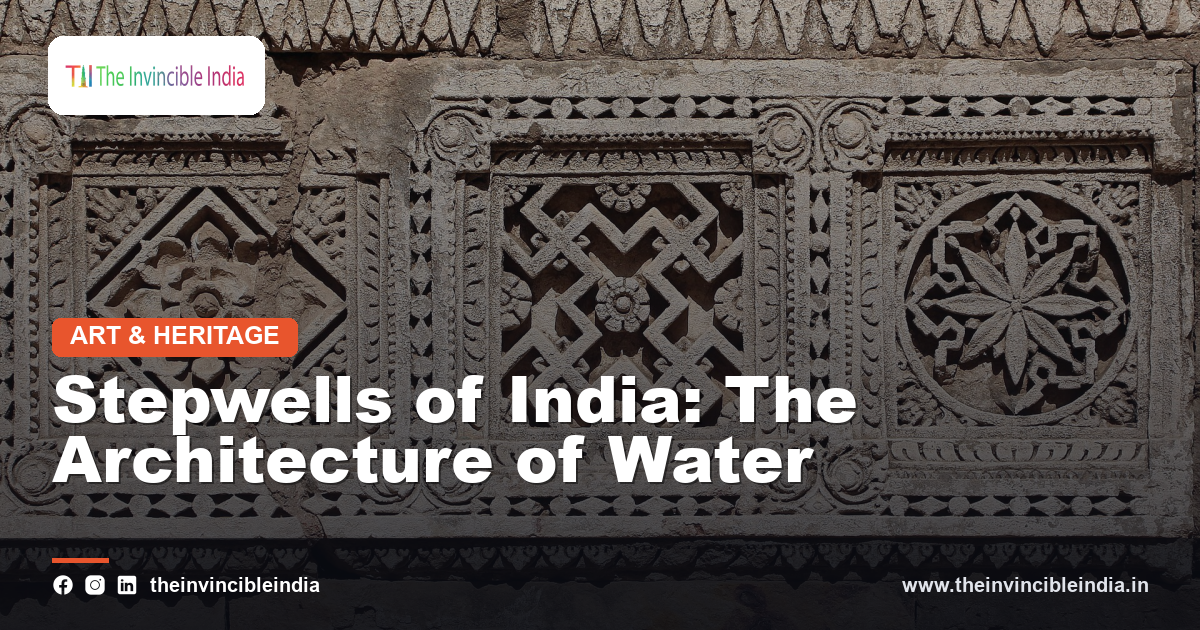
Beyond their engineering, the finest stepwells are also wonders of art, adorned with beautiful carving, sculpture and architectural design that make them monuments of great splendour. The walls, pillars, galleries and pavilions of the great stepwells are often richly carved with sculptures of deities, figures, animals and decorative motifs, so that descending into the well is like entering a magnificent underground temple or palace of stone. This artistic beauty makes the stepwells wonders of art. This character of the finest stepwells as wonders of art, adorned with beautiful carving, sculpture and design, is what raises them above mere utility and makes them monuments of great splendour, and the artistic beauty of the great stepwells is among the most magnificent achievements of the country’s architectural heritage.
Places of Gathering
The stepwells were not only sources of water but also important places of gathering, rest and community life, especially for the women who came to fetch water. The cool depths of the stepwell offered relief from the heat, and the wells became places where people, especially women, gathered to draw water, rest, meet and socialise, and where travellers found rest and water on their journeys, so that the stepwell was a centre of community life. This role as a place of gathering is part of the tradition. This role of the stepwells as places of gathering, rest and community life, especially for the women who came to fetch water and for travellers seeking rest, is an important part of the tradition, and the social and communal life of the stepwell added a rich human dimension to these remarkable structures.
A Sacred Dimension
Many stepwells also had a sacred dimension, for water is holy in Indian tradition, and the wells were often associated with religion, temples and worship. Some stepwells were built as acts of religious merit and charity, some were associated with temples or contained shrines, and the carvings often depicted deities, so that the stepwell had a sacred as well as practical character, and the descent to the life-giving water carried a spiritual meaning. This sacred dimension is part of the tradition. This sacred dimension of many stepwells, associated with the holiness of water, with religion, temples and worship, and with acts of religious merit, is an important part of the tradition, and the spiritual meaning of the descent to the life-giving water added a sacred beauty to these remarkable structures.
The Rani ki Vav
The most magnificent of all Indian stepwells is the Rani ki Vav in Gujarat, a masterpiece of the art celebrated for its extraordinary beauty and richly recognised as a World Heritage Site. This great stepwell, built as a memorial and richly adorned with hundreds of beautiful sculptures of deities and figures, is a supreme example of the stepwell as a wonder of art as well as engineering, and it is one of the glories of Indian architecture. The Rani ki Vav is the crowning masterpiece of the tradition. This Rani ki Vav in Gujarat, the most magnificent of all Indian stepwells, celebrated for its extraordinary beauty and its hundreds of sculptures and recognised as a World Heritage Site, is the crowning masterpiece of the tradition and one of the supreme glories of the country’s architectural heritage.
The Chand Baori
Another of the most famous and spectacular stepwells is the Chand Baori in Rajasthan, renowned for its dizzying depth and its geometric flights of steps. This great stepwell descends many storeys into the earth through a spectacular array of steps arranged in striking geometric patterns on its walls, creating one of the most astonishing and beautiful sights among the stepwells of India, famed for its dramatic depth and design. The Chand Baori is a spectacular wonder of the tradition. This Chand Baori of Rajasthan, renowned for its dizzying depth and its spectacular geometric flights of steps descending many storeys into the earth, is one of the most famous and astonishing of Indian stepwells and a dramatic wonder of the country’s remarkable water architecture.
Stepwells Across the Regions
Beyond these most famous examples, stepwells were built across the drier regions of western and northern India, and many beautiful and remarkable ones survive across the land. In Gujarat, Rajasthan and other regions, there are numerous stepwells of varying size, age and splendour, from great and elaborate monuments to simpler village wells, each reflecting the tradition and the local need for water, so that the stepwell is a widespread feature of the heritage of these regions. This spread across the regions is part of the tradition. This building of stepwells across the drier regions of western and northern India, and the many beautiful examples that survive across the land, show how widespread and important the tradition was, and the wealth of stepwells across these regions is a rich part of the country’s architectural heritage.
Decline and Neglect
With the coming of modern systems of water supply, the stepwells lost their practical importance, and many fell into disuse, neglect and decay over time. As piped water and modern wells and pumps made the stepwells no longer necessary for the supply of water, many were abandoned and fell into ruin, silted up or forgotten, and the great tradition of water architecture declined, with many beautiful monuments lost or endangered. This decline and neglect are a sad chapter in the story. This decline and neglect of the stepwells, as modern systems of water supply made them no longer necessary and many fell into disuse and decay, are a sad chapter in the story of the tradition, and the loss and endangerment of many of these beautiful monuments make their preservation an important task.
Rediscovery and Preservation
In recent times, the stepwells have been rediscovered and celebrated as magnificent heritage monuments, and efforts are made to preserve, restore and appreciate them. The beauty and value of the stepwells are now widely recognised, and many are protected, restored and celebrated as important monuments of art and engineering, attracting visitors and scholars and taking their place among the treasured heritage of India. This rediscovery and preservation are vital for the future of the stepwells. This rediscovery and preservation of the stepwells as magnificent heritage monuments, and the efforts to protect, restore and appreciate them, are vital for the future of the tradition, and the growing recognition of the beauty and value of these remarkable structures is helping to ensure that this glorious heritage is treasured and preserved.
Lessons for Today
The stepwells also offer valuable lessons for the modern world, especially in the vital matter of the conservation and management of water. As the world faces the challenges of water scarcity, the ancient wisdom of the stepwells, which stored and conserved water so ingeniously, is increasingly appreciated, and there is renewed interest in traditional water systems and in what they can teach about the sustainable management of this precious resource. These lessons make the stepwells relevant today. These lessons of the stepwells for today, especially in the vital matter of the conservation and management of water, give the ancient tradition a new relevance in the modern world, and the ingenious wisdom of the stepwells in storing and conserving water is increasingly valued as the world faces the challenges of water scarcity.
Stepwells of India Today
Today the stepwells of India are celebrated as magnificent monuments of the country’s architectural heritage, admired for their beauty, their engineering and their history. The great Rani ki Vav, the spectacular Chand Baori, and the many other stepwells across the regions are treasured, protected and visited, and efforts to preserve and appreciate them, together with a renewed interest in their lessons for water conservation, help to keep this remarkable heritage alive. The beauty and genius of the stepwells continue to astonish and inspire. As the magnificent water architecture of India, combining practical genius with artistic splendour and offering lessons for the modern world, the stepwells endure as one of the most remarkable and beautiful of the country’s architectural heritages.
Sources & Further Reading
- Archaeological Survey of India, on the stepwells and monuments of India (asi.nic.in).
- UNESCO World Heritage Centre, on Rani ki Vav (whc.unesco.org).
Frequently Asked Questions
What is a stepwell?
A stepwell is a deep well or reservoir reached by a long descending flight of steps, allowing people to walk down to the level of the water however low it falls through the dry seasons. The great stepwells are elaborate, multi-storeyed structures of galleries, pavilions and stairs.
Why were stepwells built in India?
Stepwells were built above all as an ingenious response to the climate of the drier regions of India, to store water from the rains and provide access to it through the long dry seasons, ensuring a supply of water for drinking, use and irrigation in regions of scarce and seasonal rainfall.
What is Rani ki Vav?
Rani ki Vav in Gujarat is the most magnificent of all Indian stepwells, a masterpiece celebrated for its extraordinary beauty and its hundreds of sculptures of deities and figures. Built as a memorial, it is recognised as a UNESCO World Heritage Site.
What is Chand Baori?
Chand Baori in Rajasthan is one of the most famous and spectacular stepwells, renowned for its dizzying depth and its striking geometric flights of steps descending many storeys into the earth, creating one of the most astonishing sights among the stepwells of India.
Why are stepwells important today?
Stepwells are celebrated today as magnificent heritage monuments of art and engineering, and they offer valuable lessons for the modern world in the conservation and management of water, as their ingenious wisdom in storing and conserving water is increasingly valued amid water scarcity.


