

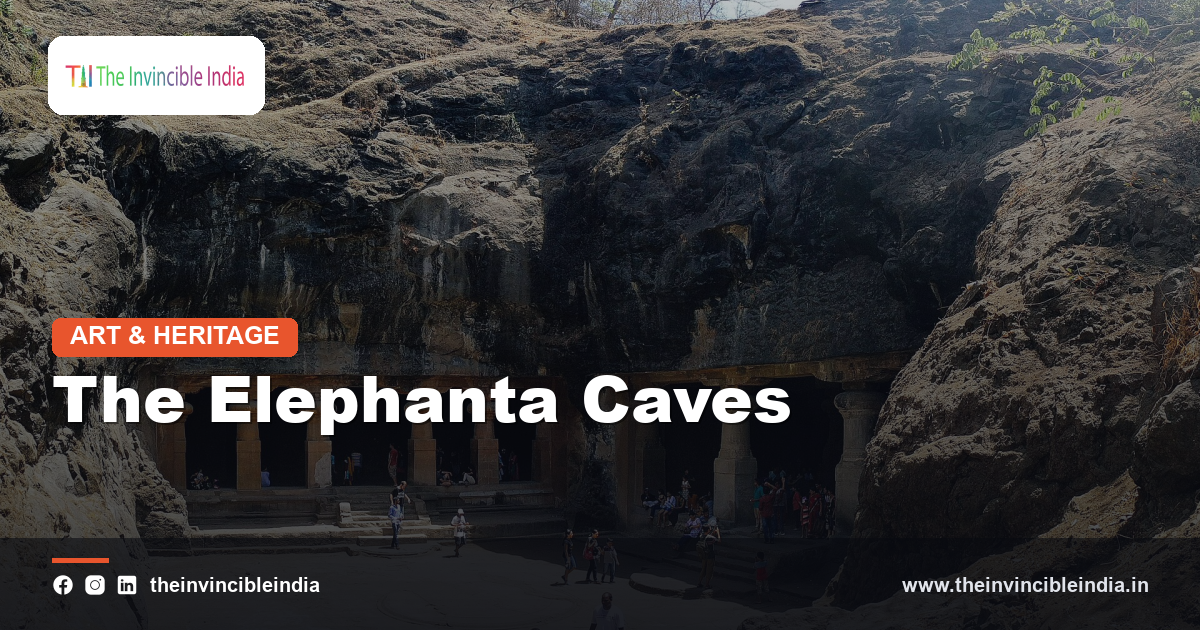
Set on a quiet island in Mumbai Harbour, the Elephanta Caves form one of India’s most celebrated rock-cut sanctuaries, a complex of chambers and courtyards carved directly into solid basalt and dedicated principally to the worship of Shiva. Reached only by boat, the caves house a series of monumental sculptural panels of great artistic power, chief among them a colossal three-faced image of the god that ranks among the masterpieces of Indian sculpture. As part of the wider tradition of rock-cut architecture found at several sites across the subcontinent, Elephanta is recognised internationally as a UNESCO World Heritage Site. This guide explores the caves’ history, sculpture, layout and enduring heritage.
Quick Facts
| Detail | Information |
|---|---|
| Location | Elephanta Island, in Mumbai Harbour |
| Type | Rock-cut cave temple complex |
| Dedication | Primarily dedicated to Shiva |
| Famous sculpture | The great Trimurti (three-faced) sculpture |
| Recognition | UNESCO World Heritage Site |
| Heritage | Landmark of Indian rock-cut art and sculpture |
An Island Sanctuary
Rising from a quiet island in Mumbai Harbour, the Elephanta Caves form one of India’s most remarkable rock-cut sanctuaries, a series of chambers and courtyards carved directly into a hillside of solid basalt. Reached only by boat across open water, the caves retain something of the sense of pilgrimage and discovery that would have greeted visitors in earlier centuries, set apart from the bustle of the city visible across the harbour. Their isolation on the island has helped to preserve their distinctive character. As a rock-cut sanctuary set apart on its own island, the Elephanta Caves occupy a unique place among India’s cave temples, combining natural setting with sculpture of exceptional quality and ambition.
What Are the Elephanta Caves
The Elephanta Caves are a complex of rock-cut cave temples excavated from the basalt rock of Elephanta Island, consisting of a principal cave of considerable size along with several smaller subsidiary caves nearby. The main cave is dedicated chiefly to the worship of Shiva and contains a series of large sculptural panels depicting the god in various aspects, arranged around a central hall supported by rows of carved pillars. Together these chambers form one of the most important surviving cave temple complexes in western India. This description of the Elephanta Caves as a rock-cut Shaiva sanctuary of pillared halls and sculptural panels captures the essential character of the site as it survives today.
The Rock-Cut Tradition
The Elephanta Caves belong to the wider tradition of rock-cut architecture that flourished at various sites across India, in which entire temples, halls and sculptures were excavated directly from natural rock faces rather than built up from separate blocks of stone. This exacting tradition produced some of the most ambitious works of Indian art, since a single error in carving could not easily be corrected once significant material had been removed from the rock. Elephanta stands among the finest achievements of this demanding craft. As part of the broader family of India’s rock-cut temples, the Elephanta Caves demonstrate the remarkable skill and planning required to create monumental sculpture and architecture from solid stone.
Carving the Caves from Living Rock
Creating a cave temple like Elephanta required first envisioning the finished structure and then removing rock from the outside inward, a process demanding immense skill since mistakes could not be undone once stone had been cut away. Craftsmen worked systematically to hollow out halls, carve pillars in place, and shape sculptural panels directly from the same rock mass that formed the walls and ceiling around them. The entire structure, sculpture included, thus originates from a single continuous body of stone. This method of carving downward and inward from an exposed rock face, shaping structure and sculpture together, defines the technical achievement underlying the Elephanta Caves and every other rock-cut monument of its kind.
Layout of the Main Cave
The principal cave at Elephanta is arranged around a large pillared hall, its ceiling supported by rows of massive carved columns that divide the interior into a grid of aisles and chambers. At the heart of the cave, a small shrine houses a symbol of Shiva, while the surrounding walls are given over to a sequence of large sculptural panels depicting the god in different manifestations. Courtyards open to the sky admit natural light into parts of the otherwise enclosed interior. This layout of pillared hall, central shrine and surrounding sculptural panels gives the main cave at Elephanta both a sense of architectural order and a rich, unfolding narrative of religious imagery.
The Great Trimurti Sculpture
The most celebrated feature of Elephanta is the great Trimurti, a colossal bust showing three faces emerging from a single form, generally understood to represent different aspects of Shiva rather than the separate deities the name might suggest to some visitors. Carved on a monumental scale and set within its own recess in the rock, the sculpture commands the main hall with a serene and powerful presence unmatched elsewhere in the complex. Its scale and craftsmanship have made it the defining image of the site. This Trimurti sculpture at Elephanta, monumental in scale and profound in expression, is widely regarded as one of the supreme achievements of ancient Indian sculpture.
Shiva in His Many Forms
Beyond the great Trimurti, the walls of the main cave are carved with a series of large panels showing Shiva in a variety of forms and episodes drawn from mythology, each rendered with careful attention to gesture, expression and composition. These panels present the god as ascetic, as cosmic dancer, and in other established aspects, allowing the cave as a whole to function as a visual exposition of Shiva’s many dimensions within the tradition. Their arrangement guides the visitor through a sequence of related themes. This gallery of sculptural panels devoted to Shiva’s many forms gives the Elephanta Caves much of their depth and importance as a monument of religious art.
Pillared Halls and Courtyards
The main cave’s interior is defined by its rows of sturdy carved pillars, their capitals shaped in a manner distinctive to the site, which divide the vast excavated space into aisles while still preserving an overall sense of openness and unity. Courtyards cut into the rock at points around the cave allow light and air to enter, relieving what would otherwise be a heavily enclosed interior and creating dramatic contrasts of light and shadow across the carved surfaces. This interplay of structure and illumination is central to the cave’s atmosphere. This design of pillared halls opening onto rock-cut courtyards is among the most architecturally accomplished aspects of the Elephanta Caves, balancing monumental scale with a considered sense of space.
Subsidiary Shrines and Caves
Alongside the main cave, Elephanta Island preserves several smaller caves and subsidiary shrines, less elaborately carved but contributing to the overall picture of the site as a wider sacred complex rather than a single isolated monument. These smaller excavations, some unfinished, offer valuable evidence of the working methods and planning that went into rock-cut temple building, showing stages of the carving process that are no longer visible in the completed main cave. Their comparative simplicity provides useful contrast to the principal cave. This presence of subsidiary shrines and unfinished caves broadens the significance of Elephanta beyond its single most famous chamber, offering insight into the practice of rock-cut construction as a whole.
Dating and Patronage
The precise dating and patronage of the Elephanta Caves remain subjects of ongoing scholarly discussion, with the general consensus placing their excavation within the middle centuries of the first millennium, under the patronage of a ruling dynasty active in the region at that time. Rather than assert exact dates or specific royal names with false certainty, it is best understood broadly as a major work of temple art from this general historical period, produced by highly skilled craftsmen working under significant patronage. This caution reflects the genuinely debated nature of the evidence. This general historical placement of the Elephanta Caves situates them among the major works of early Indian rock-cut sculpture, without claiming a precision the surviving evidence does not fully support.
The Name Elephanta
The name Elephanta was given to the island by Portuguese sailors, after a large stone sculpture of an elephant that once stood near the shore, quite distinct from the Hindu tradition that produced the caves themselves and their sculpture. This European name has persisted in common use ever since, even as the island’s original significance rests entirely with its rock-cut Shaiva sanctuary rather than with the sculpture that gave it its present name. The two traditions, one naming and one sacred, sit side by side in the island’s history. This layered history behind the name Elephanta illustrates how a site of deep religious significance came to be known internationally by a name unconnected to its original purpose.
Damage and Historical Disruption
Over the centuries, the Elephanta Caves suffered considerable damage to a number of their sculptural panels, the result of both natural weathering and deliberate harm inflicted during periods of foreign occupation of the island. Several figures show clear signs of having been struck or defaced, a loss that scholars and visitors alike regard with regret given the evident quality of the surviving work elsewhere in the caves. Despite this damage, enough remains to convey the full ambition of the original scheme. This history of damage to parts of the Elephanta Caves is a sobering chapter in their story, even as the surviving sculpture continues to demonstrate the extraordinary skill of its original creators.
UNESCO World Heritage Recognition
In recognition of its outstanding artistic and historical value, Elephanta was inscribed as a UNESCO World Heritage Site, an honour that has helped focus international attention, funding and expertise on the protection of its caves and sculpture. This status affirms the caves’ place among the most significant works of rock-cut architecture and sculpture anywhere in the world, encouraging careful conservation practice and responsible visitor management on the island. The designation has also raised the site’s profile among travellers. This UNESCO World Heritage recognition of the Elephanta Caves confirms their international importance and supports the ongoing efforts required to preserve them for future generations.
Conservation Efforts
Given their exposure to sea air, humidity and a steady flow of visitors, the Elephanta Caves require careful and continuous conservation, work overseen by heritage authorities responsible for protecting the site’s fragile basalt sculpture. Measures include controlling moisture, stabilising vulnerable rock surfaces, and managing visitor access in ways intended to minimise further wear on the ancient carvings. Scientific study of the stone itself has informed many of these conservation decisions. This ongoing programme of conservation is essential to the survival of the Elephanta Caves, balancing the needs of protection with the site’s continuing role as a place of visitation and study.
Reaching Elephanta Island
Access to the Elephanta Caves is by boat from the mainland, a journey across the waters of Mumbai Harbour that forms part of the experience of visiting the site, followed by a short climb up from the jetty to the caves themselves. This separation by water has, over time, helped protect the island from the pace of development seen on the mainland nearby, preserving something of its quieter, more contemplative character. The approach by sea also echoes how visitors would have reached the site in earlier centuries. This journey by boat across the harbour, followed by the ascent to the caves, remains an integral and memorable part of any visit to Elephanta.
The Elephanta Caves Today
Today the Elephanta Caves stand as one of India’s foremost monuments of rock-cut art, drawing visitors, scholars and pilgrims who come to see the great Trimurti and the surrounding sculptural panels at first hand. Protected as a UNESCO World Heritage Site and maintained through ongoing conservation, the caves continue to offer a direct connection to the artistic and religious achievements of their original builders many centuries ago. Their island setting continues to lend the site a distinct sense of separation and calm. As an enduring masterpiece of rock-cut architecture and sculpture, the Elephanta Caves remain among the most significant and admired ancient monuments in western India.
Sources & Further Reading
- Archaeological Survey of India, on the Elephanta Caves (asi.nic.in).
- UNESCO World Heritage Centre, on the Elephanta Caves (whc.unesco.org).
Frequently Asked Questions
What are the Elephanta Caves?
The Elephanta Caves are a complex of rock-cut cave temples on an island in Mumbai Harbour, dedicated chiefly to Shiva and containing large sculptural panels carved directly from the basalt rock of the hillside.
What is the Trimurti sculpture at Elephanta?
The Trimurti is a colossal three-faced bust carved in the main cave at Elephanta, generally understood to represent different aspects of Shiva, and it is considered one of the finest achievements of ancient Indian sculpture.
Why is the island called Elephanta?
The island was named Elephanta by Portuguese sailors after a large stone sculpture of an elephant once found near the shore, a name unrelated to the Hindu religious tradition that produced the caves themselves.
Is Elephanta a UNESCO World Heritage Site?
Yes, the Elephanta Caves are inscribed as a UNESCO World Heritage Site in recognition of their outstanding rock-cut architecture and sculpture, a status that supports their ongoing conservation and protection.
How do visitors reach the Elephanta Caves?
The Elephanta Caves are reached by boat from the mainland across Mumbai Harbour, followed by a short climb from the jetty up to the cave complex on the island.


