

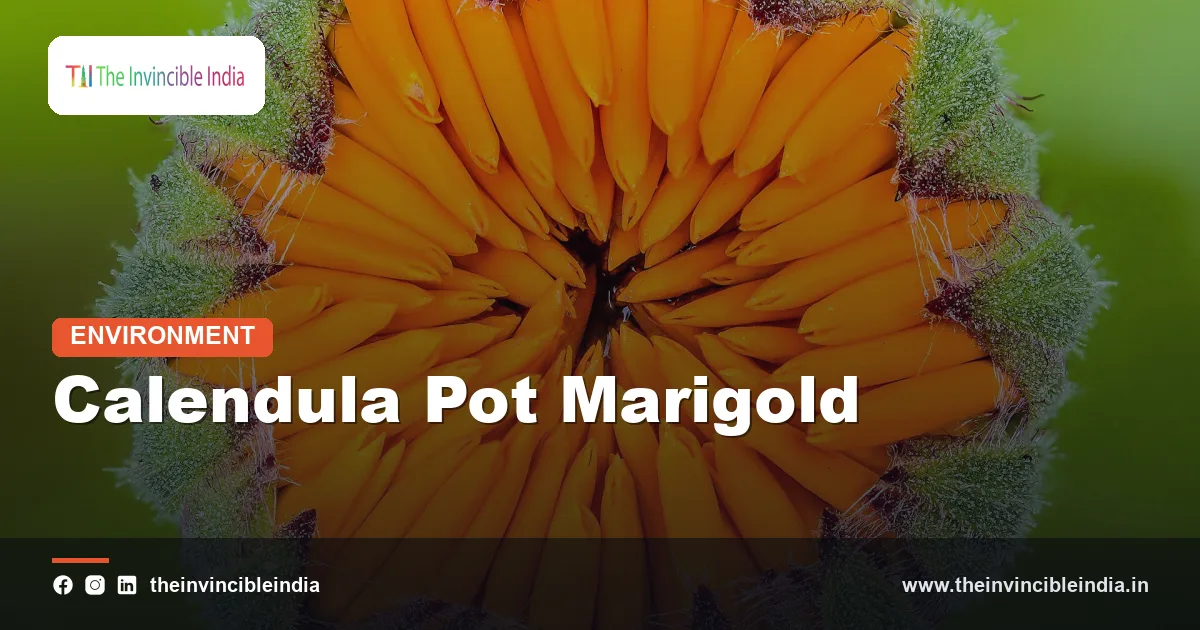
Calendula (Calendula officinalis), commonly called pot marigold, is a bright orange-yellow annual herb of the daisy family that is grown in Indian gardens in winter and valued for its edible, skin-soothing petals. Calendula is native to the Mediterranean region and southern Europe, and it is not a true marigold: the marigolds used in Indian garlands and festivals belong to the genus Tagetes, which comes from the Americas.
This guide explains what calendula is, how it differs from the marigold, how to grow it in India, how its petals are used, and what precautions apply. The article sticks to well-established botanical and horticultural facts and avoids medical claims that go beyond common knowledge. Last updated: 30 October 2026.
| Attribute | Details |
|---|---|
| Common names | Calendula, pot marigold, English marigold, garden marigold, Scotch marigold |
| Scientific name | Calendula officinalis |
| Family | Asteraceae (the daisy or sunflower family) |
| Origin | Southern Europe and the Mediterranean region |
| Where grown in India | Gardens and fields across the plains in winter; also the hills in spring and summer |
| Flowering season | Winter and early spring in the plains, roughly December to March; summer in the hills |
| Main uses | Ornamental bedding, edible petals, natural dye, herbal skin-care products |
| Notable facts | Not related to Tagetes marigolds; the seeds are curved like small rings or caterpillars |
Key Takeaways
- Calendula (Calendula officinalis) is an annual herb in the family Asteraceae, native to the Mediterranean region.
- Calendula is commonly called pot marigold, but it is a different genus from the Tagetes marigolds used in Indian garlands.
- In the plains of India calendula is a winter flower, sown in autumn and blooming from about December to March.
- The petals of calendula are edible and have long been used as a mild yellow dye and as an ingredient in herbal skin-care preparations.
- Calendula petals contain carotenoids and flavonoids, which give the flowers their orange-yellow colour.
- People who are allergic to other plants of the daisy family, such as ragweed or chrysanthemum, may react to calendula.
What Is Calendula?
Calendula is a genus of annual and perennial herbs in the daisy family, and Calendula officinalis is the species grown in gardens, where it forms a bushy plant about 30 to 60 cm tall with orange or yellow flower heads. The leaves are light green, slightly sticky, and oval to oblong, and the flower heads open fully in sunlight and close at night or in dull weather.
The word officinalis in the botanical name means that the plant was used in the officinae, the old storerooms of apothecaries, and it points to the plant’s long record in herbal medicine. The genus name Calendula comes from the Latin word calendae, the first day of the month in the Roman calendar, probably because the plant seems to bloom nearly every month in warm climates.
The common name pot marigold came from the old European practice of using the petals in the cooking pot, to colour and flavour soups and stews.
Is Calendula the Same as Marigold?
No, calendula is not the same as marigold in the sense used in India, because the garland marigolds belong to the genus Tagetes, which is native to the Americas, while calendula belongs to the genus Calendula and is native to the Mediterranean. Both plants are in the daisy family and both have orange and yellow flowers, which is why they are easily confused.
| Feature | Calendula (pot marigold) | Marigold (Tagetes) |
|---|---|---|
| Genus | Calendula | Tagetes |
| Native region | Mediterranean and southern Europe | Mexico and Central and South America |
| Common species | Calendula officinalis | Tagetes erecta (African), Tagetes patula (French) |
| Flower shape | Flat, daisy-like with many narrow petals | Often rounded and ruffled, especially African types |
| Smell | Mild, resinous | Strong, pungent |
| Edible petals | Yes, traditionally used in cooking | Used mainly as dye; some species edible in small amounts |
| Main Indian use | Winter garden flower, herbal products | Garlands, festivals, religious offerings |
In India, the word genda generally refers to Tagetes marigolds, while calendula is usually referred to by its English name or as pot marigold. The leaves of Tagetes are finely divided and strongly scented, whereas calendula leaves are simple and have a milder scent.
What Does Calendula Look Like?
Calendula has daisy-like flower heads that are 4 to 7 cm across, with one or several rows of narrow orange or yellow ray florets around a darker central disc. Double forms with many rows of petals are more common in gardens, and the flowers sit on slightly hairy, branching stems.
- Colours: bright orange, golden yellow, apricot, cream and bicolour forms.
- Leaves: simple, lance-shaped to oblong, slightly sticky and softly hairy.
- Height: usually 30 to 60 cm, with dwarf varieties suited to pots.
- Seeds: curved, ridged achenes, often described as shaped like a ring, a hook or a small caterpillar.
- Sun response: flowers open in bright light and close in the evening or on dull days.
The curved seeds of calendula are a useful identification feature. They differ from the straight, narrow seeds of Tagetes, and they make it easy to tell the two plants apart when the flowers have gone.
Where Does Calendula Grow in India?
Calendula grows well across the plains of India as a winter annual, and in the hills it can be grown through spring and summer. The plant prefers cool, sunny weather, so it flourishes in the mild winters of northern and central India and in the cooler seasons of the south.
In the plains, hot weather ends the flowering season, and the plants usually fade by April or May. At higher altitudes the plant flowers during summer. Light frost does not usually damage established plants, though hard frost can spoil the flowers.
Calendula is a common sight in winter flower beds, terrace gardens and kitchen gardens. It is also grown on a small commercial scale for petals used in herbal and cosmetic products.
How Is Calendula Grown?
Calendula is grown from seed sown directly in a sunny bed in autumn, and the plants flower about eight to ten weeks later. It is one of the easiest winter flowers, tolerating poor soil and some neglect, though it flowers best in fertile, well-drained ground.
Step-by-step
- Timing: sow seeds from about October to November in the plains, or from March in the hills.
- Soil: use loose, well-drained soil with a neutral to slightly alkaline reaction, enriched with compost.
- Sowing: press seeds about 1 cm deep, since they need darkness to germinate, and keep the soil moist.
- Thinning: leave 20 to 30 cm between plants so that air can circulate.
- Light: provide at least five to six hours of direct sun a day.
- Watering: water regularly but avoid waterlogging; overhead watering late in the day encourages mildew.
- Deadheading: remove faded flowers to extend flowering and prevent seed set.
Calendula self-seeds easily, so a patch may reappear the next winter without any sowing. The plant also grows well in containers, provided that the pot has drainage holes and the soil is not allowed to dry completely.
What Pests and Diseases Affect Calendula?
Calendula is usually healthy, but it can be attacked by aphids, whiteflies, caterpillars and powdery mildew, especially in humid weather or crowded beds. Aphids cluster on young shoots and flower buds, and powdery mildew appears as a white coating on the leaves.
- Aphids: wash off with a strong jet of water or treat with a mild soap spray.
- Powdery mildew: improve air flow, avoid wetting the leaves and remove badly affected foliage.
- Caterpillars: pick off by hand when infestations are small.
- Root rot: avoid heavy, wet soil and overwatering.
Gardeners often plant calendula next to vegetables to attract beneficial insects such as hoverflies, which feed on aphids. The plant has a reputation as a companion plant, although the benefits are modest.
What Is Calendula Used For?
Calendula is used as an ornamental flower, as an edible garnish, as a natural yellow-orange dye and as an ingredient in herbal creams, oils and ointments. Its petals are the part most used, and they are dried or steeped in oil for later use.
In the kitchen
The petals of calendula are edible and have a mild, slightly peppery taste, and they are sometimes used to colour rice, butter, cheese and soups. In parts of Europe calendula has been called poor man’s saffron, because the petals can give a yellow tint to food in the same way as saffron, though not the same flavour. Only petals of Calendula officinalis grown without pesticides should be eaten.
In skin care
Calendula extracts and oil infusions are widely used in creams, balms and soaps meant for dry or irritated skin. The petals contain flavonoids, carotenoids and triterpenoid compounds, which scientists have studied for their soothing and antioxidant properties. The evidence for specific medical claims is limited, so calendula products are best regarded as gentle cosmetic aids, not replacements for medical treatment.
As a dye and in crafts
Dried calendula petals give a soft yellow to orange dye on cloth and paper, and the flowers are used in potpourri and handmade soaps. The colour is not very fast on its own, so dyers usually use a mordant to improve it.
Is Calendula Safe to Use?
Calendula is generally considered safe for most people when used on the skin or eaten in small amounts as a garnish, but people who are allergic to plants of the daisy family may develop a reaction. Allergic reactions can include itching, rash or sneezing, and anyone with a known allergy to ragweed, chrysanthemum, daisy or marigold should test a small area first.
- Do a small patch test before using any calendula cream on a large area of skin.
- Do not confuse calendula with other yellow flowers that may be toxic; confirm the plant before eating it.
- Pregnant or nursing women and people on regular medication should consult a doctor before taking calendula internally.
- Avoid using calendula on deep wounds or serious skin conditions without medical advice.
- Choose petals grown without chemical sprays if they are meant for food or tea.
The caution above is general. A qualified doctor or pharmacist should advise on any medicinal use.
Why Is Calendula Called the Plant of the Calendar?
Calendula is linked to the calendar because its name comes from the Latin calendae, meaning the first day of each month, and the plant can flower for many months. In the warm climate of its Mediterranean home, calendula blooms in almost every month of the year, so it seemed to appear on every calendar date.
The flower has been valued in European folk tradition for centuries and was grown in monastery and cottage gardens. In India calendula is an introduced plant and is now one of the standard winter annuals offered by seed companies, alongside pansy, petunia, phlox, sweet pea, snapdragon and aster.
Bottom Line
Calendula is an easy, cheerful winter flower that is more than a pretty face: its petals have a place in the kitchen, the dye pot and the skin-care shelf. Grow it from autumn-sown seed in a sunny bed, remember that it is not a Tagetes marigold, and use it sensibly, with a patch test if any allergy is suspected.
Frequently Asked Questions
What is calendula commonly called?
Calendula is commonly called pot marigold. It is also known as English marigold or garden marigold, and its botanical name is Calendula officinalis.
Is calendula the same as the marigold used in Indian garlands?
No, calendula is a different plant from the garland marigold. The marigolds used in Indian garlands belong to the genus Tagetes and come from the Americas, while calendula belongs to the genus Calendula and comes from the Mediterranean.
When should calendula be sown in India?
Calendula should be sown in the plains from about October to November, so that it flowers in winter and early spring. In the hills the seeds are sown from about March for summer flowers.
Are calendula flowers edible?
Yes, the petals of Calendula officinalis are edible and are used as a garnish and a natural food colour. Only flowers grown without pesticides should be eaten, and the green parts of the flower are usually removed first.
What is calendula used for in skin care?
Calendula is used in creams, oils and soaps for dry or irritated skin because its petals contain flavonoids and carotenoids. It is a gentle cosmetic ingredient, but it is not a substitute for medical treatment of serious skin problems.
Can calendula cause allergies?
Yes, calendula can cause allergic reactions in some people, especially those allergic to other members of the daisy family such as ragweed, chrysanthemum or daisy. A small patch test on the skin before regular use is a sensible precaution.
{“@context”:”https://schema.org”,”@graph”:[{“@type”:”FAQPage”,”mainEntity”:[{“@type”:”Question”,”name”:”What is calendula commonly called?”,”acceptedAnswer”:{“@type”:”Answer”,”text”:”Calendula is commonly called pot marigold. It is also known as English marigold or garden marigold, and its botanical name is Calendula officinalis.”}},{“@type”:”Question”,”name”:”Is calendula the same as the marigold used in Indian garlands?”,”acceptedAnswer”:{“@type”:”Answer”,”text”:”No, calendula is a different plant from the garland marigold. The marigolds used in Indian garlands belong to the genus Tagetes and come from the Americas, while calendula belongs to the genus Calendula and comes from the Mediterranean.”}},{“@type”:”Question”,”name”:”When should calendula be sown in India?”,”acceptedAnswer”:{“@type”:”Answer”,”text”:”Calendula should be sown in the plains from about October to November, so that it flowers in winter and early spring. In the hills the seeds are sown from about March for summer flowers.”}},{“@type”:”Question”,”name”:”Are calendula flowers edible?”,”acceptedAnswer”:{“@type”:”Answer”,”text”:”Yes, the petals of Calendula officinalis are edible and are used as a garnish and a natural food colour. Only flowers grown without pesticides should be eaten, and the green parts of the flower are usually removed first.”}},{“@type”:”Question”,”name”:”What is calendula used for in skin care?”,”acceptedAnswer”:{“@type”:”Answer”,”text”:”Calendula is used in creams, oils and soaps for dry or irritated skin because its petals contain flavonoids and carotenoids. It is a gentle cosmetic ingredient, but it is not a substitute for medical treatment of serious skin problems.”}},{“@type”:”Question”,”name”:”Can calendula cause allergies?”,”acceptedAnswer”:{“@type”:”Answer”,”text”:”Yes, calendula can cause allergic reactions in some people, especially those allergic to other members of the daisy family such as ragweed, chrysanthemum or daisy. A small patch test on the skin before regular use is a sensible precaution.”}}]}]}


