

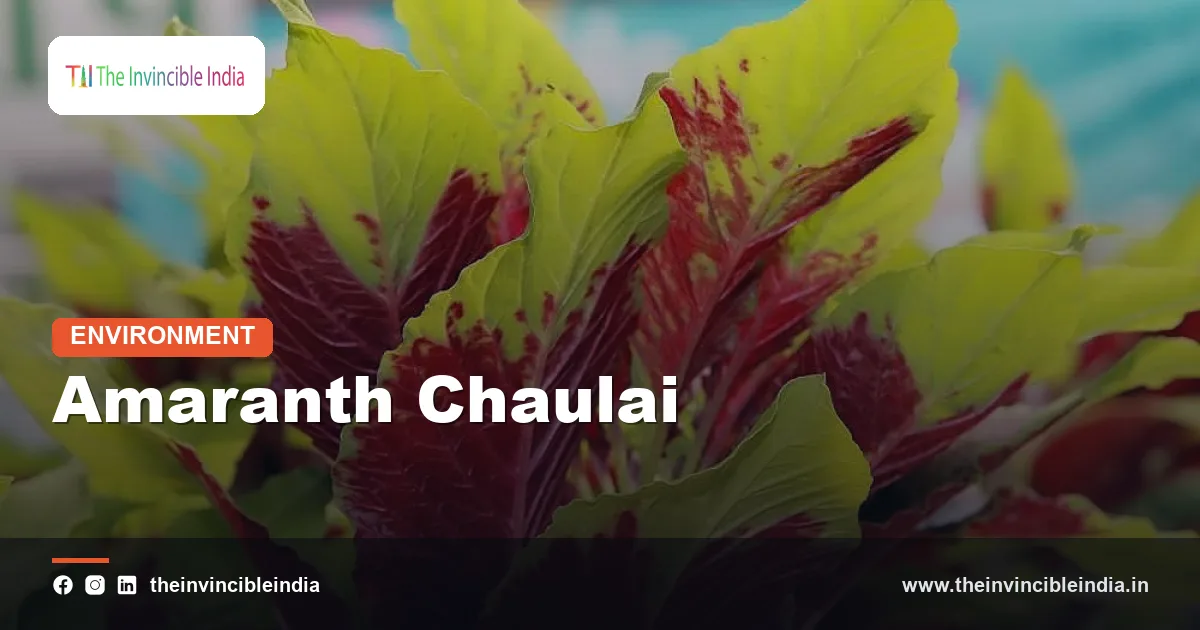
The fast-growing plant called amaranth, known in Hindi as chaulai when grown as a leafy vegetable and as rajgira or ramdana when grown for its tiny seeds, is an edible crop of the genus Amaranthus that supplies both nutritious greens and a gluten-free, protein-rich pseudo-cereal grain. In India the leaves are cooked as saag and the seeds are popped, milled into flour or set into sweets such as rajgira laddoo and chikki.
Amaranth is one of the quickest greens to grow in an Indian summer, ready to cut within about a month, and its grain is a traditional food for religious fasting days. This explainer covers the plant’s identity, names, edible forms, nutrition, cultivation, culinary uses and cautions, with the focus on the edible chaulai and rajgira rather than ornamental relatives.
Quick Facts
| Attribute | Detail |
|---|---|
| Genus | Amaranthus, in the family Amaranthaceae |
| Common edible leafy species | Amaranthus tricolor, Amaranthus blitum, Amaranthus dubius and Amaranthus cruentus |
| Common grain species | Amaranthus hypochondriacus, Amaranthus cruentus and Amaranthus caudatus |
| Hindi and regional names | Chaulai, chaulai saag (leaf); rajgira, ramdana (grain); cheera (Malayalam); thotakura (Telugu); thandu keerai (Tamil); harive soppu (Kannada); note shak (Bengali) |
| Crop type | Leafy vegetable and pseudo-cereal (a non-grass plant whose seeds are used like cereal) |
| Photosynthesis type | C4, which suits hot and dry conditions |
| Time to leaf harvest | About 25 to 35 days after sowing |
| Time to grain harvest | About 90 to 120 days after sowing, depending on variety |
| Gluten status | Naturally gluten-free |
Key Takeaways
- Amaranth (chaulai in Hindi) is an edible plant of the genus Amaranthus whose leaves are eaten as a cooked green and whose tiny seeds are eaten as the grain called rajgira.
- Rajgira is a pseudo-cereal, not a true cereal, because amaranth is a broad-leaved plant rather than a grass, yet its seeds are milled and cooked like grain.
- Amaranth grain is naturally gluten-free and contains more protein than most true cereals, including an amino acid called lysine that wheat and rice contain only in small amounts.
- Amaranth leaves are a good source of iron, calcium, vitamin A precursors and vitamin C, but they also contain oxalates, so cooking them is recommended.
- Rajgira flour and laddoo are widely eaten in India during fasting periods such as Navratri because the grain is traditionally treated as permissible fasting food.
- Amaranth thrives in heat, grows rapidly and tolerates poor soils and limited water better than many leafy crops, which makes it valuable for small farmers in a warming climate.
What is amaranth and what is chaulai?
Amaranth is a group of fast-growing plants in the genus Amaranthus that are eaten as leafy vegetables or grown for their grain, and chaulai is the Hindi name for the leafy vegetable form. The name amaranth comes from a Greek word meaning “unfading”, a reference to the long-lasting colour of the flower heads.
Several species are grown for food. Amaranthus tricolor, Amaranthus blitum and Amaranthus dubius are common leafy types in India, while Amaranthus hypochondriacus, Amaranthus cruentus and Amaranthus caudatus are the main grain species. The leaves may be green, red or a mixture of both, and the red-leaved types are especially common in southern and eastern India.
The ornamental globe amaranth, which is a different plant of the genus Gomphrena, is not the subject of this article and is not the same as the edible crop. Some Amaranthus species are grown as garden flowers, such as love-lies-bleeding, but many of those are the same species used as grain and greens.
Where does amaranth come from and how did it reach India?
The grain amaranths were domesticated in the Americas, in Mesoamerica and the Andes, thousands of years ago, while several leafy Amaranthus species have been eaten in Asia and Africa for a very long time. Amaranthus species are now found as cultivated and wild plants across the tropics and subtropics.
In India the plant has been part of local food systems for centuries, and farmers in hill regions such as Uttarakhand and Himachal Pradesh have grown grain amaranth in the mountains as a traditional crop. Local names such as ramdana, which means “God’s grain”, reflect the grain’s long association with religious observance. The leafy forms grow wild on field edges and wasteland and are often gathered as a free green, so the line between a weed and a vegetable can be thin.
What is the difference between chaulai and rajgira?
Chaulai refers to the leaves and tender stems of amaranth eaten as a vegetable, whereas rajgira refers to the small seeds harvested from mature plants and used as a grain. Both come from plants in the same genus, but farmers usually choose different varieties for each purpose.
| Feature | Chaulai (leafy amaranth) | Rajgira (grain amaranth) |
|---|---|---|
| Part eaten | Leaves and tender stems | Tiny seeds |
| Harvest time | About a month after sowing | Roughly three to four months after sowing |
| Typical species | Amaranthus tricolor, Amaranthus blitum | Amaranthus hypochondriacus, Amaranthus cruentus |
| Common uses | Saag, dal with greens, stir-fries | Flour, popped seeds, laddoo, chikki, porridge |
| Nutrition highlight | Iron, calcium, vitamins | Protein, fibre, minerals |
What does the amaranth plant look like?
An amaranth plant is an upright, quick-growing annual herb, usually between half a metre and two metres tall, with simple oval to diamond-shaped leaves and dense spikes of tiny flowers. The stems may be green or red, and the flower heads in grain types can be red, golden or pale and are packed with thousands of seeds.
The seeds are extremely small, with about a thousand weighing only a gram or so, and they are usually cream, golden or black depending on the variety. Amaranth uses C4 photosynthesis, an efficient pathway shared with maize and sugarcane, which lets it grow quickly in hot, bright weather and use water efficiently.
How nutritious is amaranth?
Amaranth is highly nutritious: the leaves are rich in iron, calcium, vitamin C and carotenoids, and the grain is high in protein, fibre and minerals such as magnesium and manganese. Exact values vary by species and growing conditions.
Leaves
Amaranth leaves supply more iron and calcium per serving than many common greens, and red types contain pigments called betalains with antioxidant properties. The leaves also contain oxalates, natural compounds that can bind calcium and, in sensitive people, contribute to kidney stones. Boiling or blanching the leaves and discarding the water lowers oxalate levels.
Grain
Amaranth grain typically contains around 13 to 15 percent protein, which is higher than rice and similar to or above wheat. It is notable for lysine, an essential amino acid that is low in most cereals, so amaranth combines well with wheat, rice or maize in a mixed diet. The grain contains no gluten, which makes it useful for people with coeliac disease or gluten sensitivity, although flour should be checked for cross-contamination with wheat.
How is amaranth eaten in India?
Amaranth is eaten in India as a cooked green, as flour for fasting foods, as popped grain in sweets and as a porridge or gruel. The preparation depends strongly on the region and on whether the leaf or the seed is used.
- Chaulai saag: in northern India, the leaves are cooked with onion, garlic and spices and eaten with roti.
- Cheera thoran: in Kerala, chopped leaves are stir-fried with grated coconut, mustard seeds and chilli.
- Thotakura pappu: in Andhra Pradesh and Telangana, the leaves are cooked into dal.
- Thandu keerai kootu: in Tamil Nadu, the stems and leaves are cooked with lentils.
- Note shak: in Bengal, the leaves are cooked in light preparations with other vegetables.
- Rajgira laddoo and chikki: popped seeds are bound with jaggery to make portable sweets, especially in Maharashtra, Gujarat and northern India.
- Rajgira roti, puri and thalipeeth: the flour is made into flatbreads during fasts, often mixed with boiled potato for binding, since the flour has no gluten.
To pop the grain, cooks heat a dry pan and add a spoonful of seeds at a time. The seeds puff up in seconds, a bit like tiny popcorn.
Why is rajgira eaten during fasting?
Rajgira is eaten during Hindu fasting periods such as Navratri, Ekadashi and Mahashivratri because it is traditionally not classed as a cereal grain, so it is considered permissible fasting food in many households. Cooks often use the flour with rock salt rather than common salt on these days.
This custom is cultural rather than botanical, and observance varies by community and region. Nutritionally, rajgira offers more protein and fibre than a typical fasting meal of potato and sago, so it helps people feel full for longer. Because grain products can be adulterated or contaminated, families that observe strict fasts commonly buy rajgira flour from trusted sources and use it soon after purchase to avoid spoilage.
How is amaranth grown in India?
Amaranth is grown from seed sown directly in the field or garden, and it grows quickly in warm weather with little care. It is a good crop for beginners and for small plots, which is why chaulai is a common sight in kitchen gardens during summer and the monsoon.
For leaves
Gardeners scatter or line-sow the very fine seeds, mixed with a little sand for even spread, and cover them lightly. Seedlings emerge within a few days. Leaves and young plants can be cut about 25 to 35 days after sowing, and many varieties regrow after being cut near the base, giving several harvests.
For grain
Grain amaranth needs a longer season of about 90 to 120 days. Farmers harvest when the lower seeds on the flower head shed readily, then dry, thresh and winnow the heads to separate the tiny seeds from the chaff. Because the seeds shatter easily, the crop must be harvested at the right time.
Soil and climate
Amaranth prefers warm temperatures, full sun and well-drained loamy soil, but it tolerates poor soils, heat and short dry spells. This resilience makes it a useful crop for climate-adaptive farming, and it has been promoted in several mountain and rain-fed regions as a nutrition crop.
Are there any cautions when eating amaranth?
Yes, people should cook amaranth leaves before eating them, avoid very large quantities if prone to kidney stones, and take care not to confuse edible amaranth with similar-looking toxic weeds. Raw leaves contain oxalates and, in some species, nitrates, and cooking reduces both.
- Cook the leaves, and discard the cooking water if you are concerned about oxalates.
- Take medical advice before eating large amounts if you have a history of oxalate kidney stones.
- Harvest only from clean areas, because amaranth growing wild beside roads or drains can absorb pollutants.
- Buy rajgira flour fresh and store it in a cool, dry, airtight container, since the oil in the flour can turn rancid.
- Check the label if you need strictly gluten-free flour, as mills that also process wheat can cause contamination.
Why does amaranth matter for food security and climate resilience?
Amaranth matters for food security because it grows quickly, tolerates heat and poor soils, and supplies both vitamins and protein from a single, low-cost crop. A farmer can harvest greens within a month and still keep a few plants to mature for grain.
The plant’s C4 photosynthesis and deep roots help it cope with hot spells and irregular rainfall, which are becoming more common in many parts of India. Nutrition programmes and agricultural research institutions have promoted amaranth as a way to improve iron and protein intake among women and children, particularly in rain-fed and hill areas where diets are limited. Seeds are cheap, the leaves need little input, and surplus grain stores well when kept dry. Despite this potential, grain amaranth remains a small crop in India compared with wheat, rice and millets, and its wider use depends on better seed supply, processing and market demand.
Bottom Line
Amaranth is a rare plant that gives both a quick, mineral-rich green and a protein-rich, gluten-free grain, and it fits Indian kitchens, fasting traditions and small farms equally well. Eaten cooked and in moderation, chaulai and rajgira are affordable, hardy and nutritious foods with deep roots in Indian food culture.
Frequently Asked Questions
Is chaulai the same as amaranth?
Yes, chaulai is the Hindi name for amaranth when it is grown and eaten as a leafy vegetable. The grain from related plants is called rajgira or ramdana.
Is rajgira gluten-free?
Yes, rajgira, which is amaranth grain, is naturally free of gluten. People with coeliac disease should still check that the flour was not processed alongside wheat.
Why is rajgira eaten during fasts in India?
Rajgira is eaten during fasts such as Navratri because it is traditionally not considered a cereal grain. Many families therefore treat rajgira flour as permissible fasting food, though practices vary by community.
How long does chaulai take to grow?
Chaulai is ready to harvest as a leafy green about 25 to 35 days after sowing. Grain amaranth takes longer, usually 90 to 120 days, depending on the variety.
Is amaranth high in protein?
Amaranth grain is relatively high in protein, with about 13 to 15 percent by weight, and it contains the amino acid lysine that many cereals lack. Amaranth leaves are lower in protein but are rich in iron, calcium and vitamins.
Is it safe to eat amaranth leaves raw?
Amaranth leaves are best eaten cooked rather than raw, because they contain oxalates that cooking reduces. People with a history of kidney stones should limit large servings and ask a doctor for advice.
{“@context”:”https://schema.org”,”@graph”:[{“@type”:”FAQPage”,”mainEntity”:[{“@type”:”Question”,”name”:”Is chaulai the same as amaranth?”,”acceptedAnswer”:{“@type”:”Answer”,”text”:”Yes, chaulai is the Hindi name for amaranth when it is grown and eaten as a leafy vegetable. The grain from related plants is called rajgira or ramdana.”}},{“@type”:”Question”,”name”:”Is rajgira gluten-free?”,”acceptedAnswer”:{“@type”:”Answer”,”text”:”Yes, rajgira, which is amaranth grain, is naturally free of gluten. People with coeliac disease should still check that the flour was not processed alongside wheat.”}},{“@type”:”Question”,”name”:”Why is rajgira eaten during fasts in India?”,”acceptedAnswer”:{“@type”:”Answer”,”text”:”Rajgira is eaten during fasts such as Navratri because it is traditionally not considered a cereal grain. Many families therefore treat rajgira flour as permissible fasting food, though practices vary by community.”}},{“@type”:”Question”,”name”:”How long does chaulai take to grow?”,”acceptedAnswer”:{“@type”:”Answer”,”text”:”Chaulai is ready to harvest as a leafy green about 25 to 35 days after sowing. Grain amaranth takes longer, usually 90 to 120 days, depending on the variety.”}},{“@type”:”Question”,”name”:”Is amaranth high in protein?”,”acceptedAnswer”:{“@type”:”Answer”,”text”:”Amaranth grain is relatively high in protein, with about 13 to 15 percent by weight, and it contains the amino acid lysine that many cereals lack. Amaranth leaves are lower in protein but are rich in iron, calcium and vitamins.”}},{“@type”:”Question”,”name”:”Is it safe to eat amaranth leaves raw?”,”acceptedAnswer”:{“@type”:”Answer”,”text”:”Amaranth leaves are best eaten cooked rather than raw, because they contain oxalates that cooking reduces. People with a history of kidney stones should limit large servings and ask a doctor for advice.”}}]}]}


