

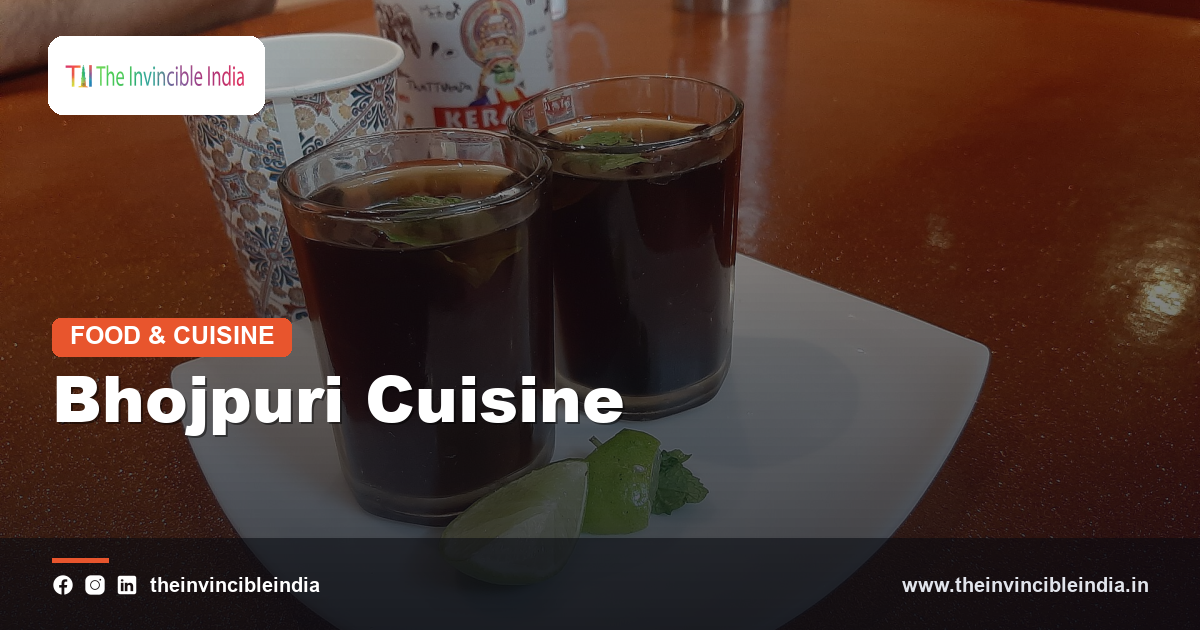
Bhojpuri cuisine is the earthy, hearty food of the Bhojpuri-speaking heartland, which spans western Bihar, eastern Uttar Pradesh and neighbouring parts of Jharkhand. Rooted in the fertile Gangetic plains, it is built on wheat, gram flour, rice, mustard oil and an enviable variety of roasted and mashed vegetables. Much as the wider regional cuisines of India reflect the lives of the people who created them, Bhojpuri food reflects the rhythm of a farming society that valued filling, durable and unpretentious meals. This guide explores Bhojpuri cuisine, its history, its signature dishes and the pride with which its flavours are served today.
Quick Facts
| Detail | Information |
|---|---|
| Type | Rustic cuisine of the Bhojpuri-speaking region |
| Rooted in | Gangetic plain farming in Bihar and eastern Uttar Pradesh |
| Famous for | Litti chokha, sattu preparations and khichdi |
| Key ingredients | Wheat, gram flour, rice, mustard oil and ghee |
| Signature dish | Litti chokha, baked wheat balls with a mash |
| Character | Earthy, filling and smoky in flavour |
The Food of the Bhojpuri Heartland
Bhojpuri cuisine is the traditional food of the region where the Bhojpuri language and culture flourish, including the districts of western Bihar and eastern Uttar Pradesh, with extensions into parts of Jharkhand. This is a land of broad rivers and fertile alluvial fields, where wheat, rice, pulses and oilseeds have been grown for generations. The food that emerged is straightforward, nourishing and designed for people who spent long hours working outdoors. Fire, ash, mustard oil and gram flour play starring roles. As the cooking of a farming heartland with a strong cultural identity, Bhojpuri cuisine offers a vivid window into the daily life, humour and hospitality of one of India’s most distinctive linguistic regions.
Land, River and Agricultural Roots
The Ganga and its tributaries have shaped Bhojpuri life for centuries, depositing the rich soil that supports wheat, rice, maize, barley, chickpeas and mustard. These crops dictate what appears on the plate. Wheat is ground into flour for rotis and litti, gram is roasted and milled to make sattu, mustard is pressed into the pungent oil that flavours almost everything, and seasonal vegetables from kitchen gardens appear in simple curries and mashes. Cattle provide milk, curd and ghee. This direct dependence on local fields and livestock gives the cuisine its unfussy honesty. The close bond between river-fed farmland and the Bhojpuri kitchen explains why the food feels so grounded, practical and generous.
Litti Chokha, the Signature Dish
Litti chokha is the dish most closely identified with Bhojpuri cuisine and has become a symbol of the region far beyond its borders. Litti consists of a ball of whole wheat dough stuffed with a spiced filling of roasted gram flour, herbs and pickling spices, traditionally baked over cow-dung cakes or charcoal until its crust is firm and smoky. It is broken open and dunked in plenty of ghee, then eaten with chokha, a rustic mash of roasted brinjal, tomato and potato seasoned with raw mustard oil, garlic, green chilli and coriander. This humble pairing, filling and full of smoky character, remains the finest ambassador of Bhojpuri cooking and a beloved comfort food for millions.
The Many Faces of Chokha
Chokha is more than a side dish; it is an entire method of cooking. Vegetables are roasted directly over an open flame or in hot embers until their skins char and their flesh turns soft and smoky, then peeled, mashed and seasoned with raw mustard oil, salt, chopped onion, green chilli and fresh coriander. Brinjal, tomato and potato are the usual choices, but cooks also make versions with other vegetables and even with roasted gram flour. The method requires no elaborate equipment and brings out the natural sweetness of each vegetable. This simple technique, built on fire and fresh seasoning, shows how Bhojpuri cooks create deep flavour from modest ingredients and little more than patience.
Sattu, the Region's Everyday Superfood
Sattu, a flour made from roasted gram or other roasted grains, has been a staple of Bhojpuri life for generations. It is valued as a quick, filling and cooling food that travels well and keeps for long periods, making it ideal for labourers, travellers and farmers. Mixed with water, salt, lemon and spices it becomes a refreshing summer drink, while sweetened with jaggery it makes a different kind of nourishing beverage. Kneaded into dough with spices, it also forms the stuffing for litti and for stuffed breads such as sattu paratha. This adaptable and economical flour, central to both drink and meal, stands as one of the clearest expressions of the practical wisdom behind Bhojpuri cuisine.
Breads and Grains of the Plains
The Bhojpuri table makes liberal use of the grains that the plains produce. Wheat rotis and parathas are daily fare, sometimes stuffed with sattu, potato or lentils, while rice is eaten with dal, vegetables and kadhi. In places, maize and barley flour are used for flatbreads, especially in cooler months. Fried puris appear at festivals and celebrations alongside sweet and savoury accompaniments. Meals often finish with curd or buttermilk. The emphasis on bread and grain, rather than elaborate gravies, gives a hearty and substantial quality to Bhojpuri meals. This reliance on staple grains prepared in a variety of simple forms reflects a food culture that values satisfaction and sustenance above ornamentation.
Dals, Kadhi and Everyday Curries
Everyday Bhojpuri meals centre on a pot of dal, usually made from arhar, masoor or chana lentils, tempered with ghee or mustard oil, garlic and dried chillies. Kadhi, a tangy yogurt and gram flour curry, is another favourite, often cooked with fried gram-flour dumplings known as bari. Vegetables such as pumpkin, ridge gourd, green leaves and potatoes are cooked simply with a few spices, sometimes with a little water to make a light gravy. Pickles and green chutneys add brightness to the plate. These everyday dishes, prepared with minimal fuss and eaten with rice or roti, represent the daily heart of Bhojpuri home cooking and reveal its quiet reliance on comforting, familiar and well-loved flavours.
Mustard Oil and Rustic Flavours
Mustard oil is the signature cooking medium and flavouring of the Bhojpuri kitchen, prized for its sharp, pungent aroma and distinct taste. It is heated until smoking for frying and tempering, drizzled raw over chokha and pickles for a fiery kick, and used in marinades and preserves. Alongside it come the seasonings of the plains, including garlic, green chilli, ginger, ajwain, nigella seeds, fenugreek seeds and amchur. Together they give the cuisine a bold and slightly smoky profile quite different from the coconut-based food of the south. The confident use of mustard oil and robust seasonings forms the foundation of Bhojpuri flavour and gives the region’s food its immediately recognisable character.
Khichdi and the Makar Sankranti Meal
Khichdi, a comforting one-pot dish of rice and lentils, holds a special place in Bhojpuri culture, especially around the festival of Makar Sankranti in mid-January. On this day families traditionally prepare and eat khichdi, accompanied by an array of side dishes often described as the four friends of khichdi, which include roasted vegetables, ghee, curd and pickle or papad. Sweets made from sesame and jaggery also feature. Khichdi is also given as charity at this time of year. This festive khichdi meal, simple yet imbued with meaning, shows how Bhojpuri cuisine ties everyday ingredients to seasonal ritual and community sharing, turning an ordinary dish into a celebration of warmth and togetherness.
Snacks, Street Food and Festive Fry-ups
Bhojpuri snack culture includes a range of fried and roasted treats sold at fairs, railway stations and roadside stalls. Fried fritters made with gram flour, crisp savoury pastries and puffed rice mixes are enjoyed with tea, while roasted corn and sweet potatoes are popular in winter. Regional chaat-style dishes are served with tangy chutneys and sharp spice mixes. At festivals, women prepare large quantities of fried snacks and sweets to share with guests. These everyday and festive snacks, cheap, satisfying and full of flavour, reflect the social and communal side of Bhojpuri eating and illustrate how food serves as a medium for hospitality, friendship and celebration across the region.
Sweets of the Bhojpuri Region
The Bhojpuri sweet tradition makes use of milk, jaggery, sesame, gram flour and wheat flour to create treats that are simple and deeply satisfying. Thekua, a crisp, lightly sweet biscuit made from wheat flour, jaggery and ghee, is closely linked to the festival of Chhath and is a source of great regional pride. Malpua, sweet pancakes fried in ghee and soaked in syrup, kheer made with jaggery and rice, and various laddus appear at weddings and festivals. Sesame sweets are favoured in winter. These traditional sweets, rooted in local ingredients and festive customs, give Bhojpuri cuisine a gentle and heartwarming sweet side that complements its robust savoury dishes.
Chhath and Festival Foods
Festivals are central to Bhojpuri life, and each comes with its own foods. Chhath, the sun-worship festival widely observed in Bihar and eastern Uttar Pradesh, involves offerings of thekua, fruits and rice-based sweets prepared with exceptional purity and care. Makar Sankranti features khichdi and sesame sweets, while Holi brings malpua and other festive treats. Weddings and life-cycle events call for large communal meals, often cooked by hired cooks who specialise in the region’s dishes. These festival foods bind families together and mark the rhythm of the year. The strong link between festivals and food gives Bhojpuri cuisine a ceremonial dimension in which cooking is an act of devotion and shared joy.
Cooking Methods and the Rural Kitchen
Traditional Bhojpuri cooking relies on simple tools and open fire. The clay or brick stove, fed with wood or dried dung cakes, supplies the slow, smoky heat for baking litti and roasting vegetables for chokha. Heavy iron pans and clay pots are used for frying and simmering, while the grinding stone and mortar and pestle prepare spices and chutneys. Meals are traditionally eaten seated on the floor, often in the courtyard, with food served on brass or steel plates or sometimes on leaves. Although many kitchens now use gas stoves and ovens, the techniques endure. These rustic methods, passed down through families, give Bhojpuri food its characteristic smokiness and are a vital part of its culinary identity.
Hospitality and the Bhojpuri Table
Bhojpuri culture is known for its warmth and generosity towards guests, and the table is where this spirit is most visible. Hosts insist on serving visitors generous portions, ladling extra ghee on litti and urging guests to take a second helping. Songs, folk humour and conversation accompany meals, particularly at weddings and festivals, where the singing of traditional songs, including playful teasing songs for the wedding feast, is part of the occasion. Food is rarely hurried. This tradition of generous hospitality, expressed through abundant food and cheerful company, is as much a defining feature of Bhojpuri cuisine as any single dish and reflects the values of community and openness at the heart of the culture.
Migration and the Spread of Bhojpuri Food
The Bhojpuri region has a long history of migration, with many people travelling to cities and distant lands in search of work. Wherever they went, they carried their food traditions with them, and litti chokha, sattu drinks and thekua became familiar in cities across India and in communities overseas. Street vendors and small restaurants introduced these dishes to wider audiences, and festivals abroad helped sustain traditional recipes. In recent years the popularity of litti chokha has soared, with dedicated restaurants and food festivals celebrating it. This spread through migration shows how food acts as a bridge between homeland and new home and has helped Bhojpuri cuisine gain a following well beyond its original borders.
Bhojpuri Cuisine Today
Today Bhojpuri cuisine enjoys a revival, with growing interest in regional foods bringing litti chokha, sattu and other traditional dishes into the mainstream. Restaurants in major cities serve polished versions of these rustic recipes, and sattu is increasingly appreciated for its nourishing qualities. At home, families still prepare festival foods and everyday meals in much the same manner as their ancestors. Cultural festivals and food writing continue to celebrate the region’s culinary pride. This renewed attention, grounded in genuine affection for the food, ensures that Bhojpuri cuisine remains a vibrant, authentic and cherished part of India’s culinary heritage for generations to come.
Sources & Further Reading
- Ministry of Culture, Government of India (indiaculture.gov.in).
- Bihar Tourism Department (bihartourism.gov.in).
Frequently Asked Questions
What is Bhojpuri cuisine known for?
Bhojpuri cuisine is known for its rustic, filling dishes such as litti chokha, sattu preparations, khichdi and thekua. It relies on wheat, gram flour, rice, ghee and mustard oil.
What is litti chokha?
Litti is a baked wheat ball stuffed with spiced roasted gram flour, served with ghee, while chokha is a mash of roasted vegetables such as brinjal, tomato and potato seasoned with mustard oil. Together they form the signature dish of the region.
What is sattu?
Sattu is a flour made from roasted gram or other roasted grains. It is used in drinks, as a stuffing for litti and breads, and as a quick nourishing food, especially in summer.
Which region does Bhojpuri food come from?
Bhojpuri food comes from the Bhojpuri-speaking region, which includes western Bihar and eastern Uttar Pradesh and extends into parts of Jharkhand. The cuisine reflects the farming traditions of the Gangetic plains.
Which festivals feature Bhojpuri foods?
Chhath is associated with thekua and offerings of fruit and rice sweets, while Makar Sankranti is marked by khichdi and sesame sweets. Holi and weddings also bring special treats such as malpua.


