


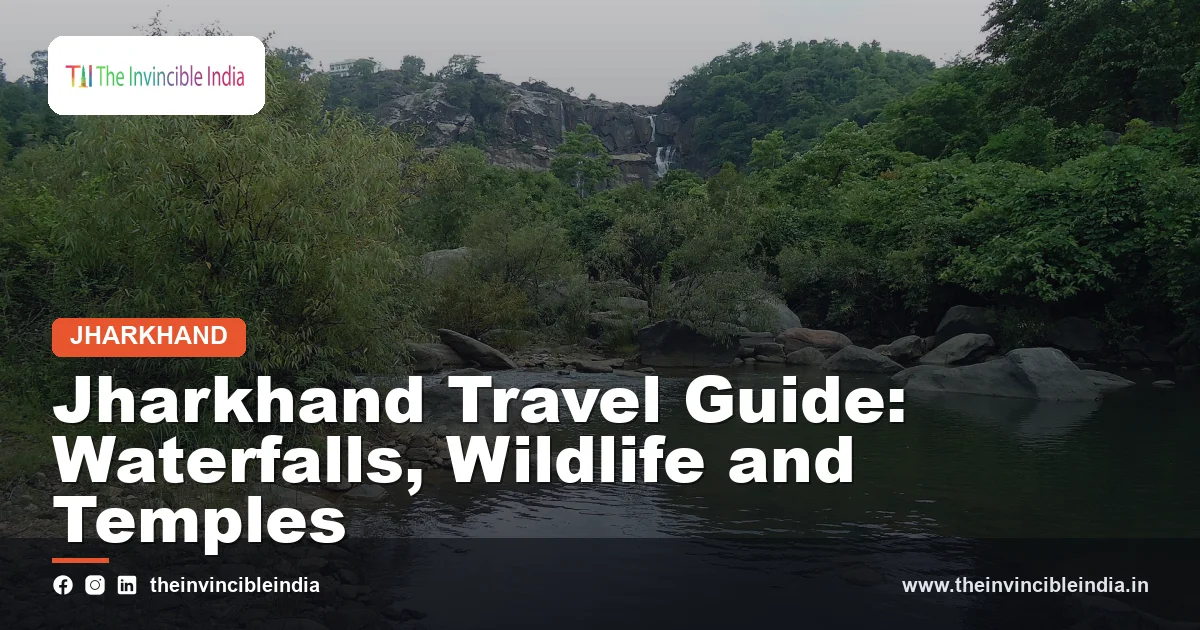
Jharkhand, whose name means “the land of forests”, is a state of stunning natural beauty in eastern India, blessed with dense woodlands, cascading waterfalls, rolling plateaus and a rich tribal heritage. Carved out of Bihar in 2000, it is a treasure trove for nature lovers, adventure seekers and those interested in India’s indigenous cultures. From the spectacular waterfalls around Ranchi to the sacred hill of Parasnath and the wildlife of Betla National Park, this guide explores the many attractions of this beautiful and often overlooked state.
Quick Facts: Jharkhand
| Detail | Information |
|---|---|
| Capital | Ranchi |
| Formed | 2000 (from Bihar) |
| Meaning | “The Land of Forests” |
| Famous for | Waterfalls, forests, minerals, tribal culture |
| Sacred site | Parasnath Hill (Shikharji), holiest Jain site |
| Best time to visit | October to March |
Ranchi: The City of Waterfalls
The state capital, Ranchi, is often called the “City of Waterfalls” for the many spectacular cascades that surround it. The most famous are the Hundru Falls, where the Subarnarekha River plunges dramatically from a great height, along with the beautiful Dassam Falls, Jonha Falls and Hirni Falls, each set amid lush forest. Once a summer retreat during the British era for its pleasant climate, Ranchi also offers attractions such as the Rock Garden, Tagore Hill and lovely lakes, making it a green and refreshing base for exploring the state.
Deoghar and Parasnath: Sacred Sites
Jharkhand is home to important pilgrimage sites for both Hindus and Jains. Deoghar is famous for the Baidyanath Temple, one of the twelve sacred Jyotirlingas of Lord Shiva, which draws vast numbers of devotees, especially during the Shravan month when pilgrims carry holy water in a spectacular procession. Parasnath Hill, also known as Shikharji, is the highest peak in the state and the holiest pilgrimage site in Jainism, believed to be where many Tirthankaras attained liberation. The climb to its summit, dotted with temples, is a deeply spiritual journey.
Wildlife and National Parks
With its extensive forests, Jharkhand is a haven for wildlife. Betla National Park, part of the Palamau Tiger Reserve, was one of the first tiger reserves established in India and is home to tigers, elephants, leopards, deer and rich birdlife, set amid beautiful sal forests and dotted with historic forts. The state’s other sanctuaries and its rolling, forested landscapes offer excellent opportunities for wildlife viewing, nature walks and experiencing the wilderness, making Jharkhand a rewarding destination for nature enthusiasts.
Tribal Culture and Heritage
Jharkhand has one of the largest tribal populations in India, and its indigenous communities, including the Santhal, Munda, Oraon and Ho, are the cultural soul of the state. Their rich traditions of music, dance, art and festivals, deeply connected to nature and the changing seasons, offer a fascinating glimpse into ancient ways of life. The state is known for distinctive crafts such as Sohrai and Khovar painting, bamboo and wood crafts, and tribal jewellery, while vibrant festivals like Sarhul and Karam celebrate the bond between the people and the natural world.
Jamshedpur and Netarhat
Jharkhand offers contrasts that surprise many visitors. Jamshedpur, the state’s largest city, is one of India’s first planned industrial cities, founded by the visionary industrialist Jamsetji Tata, and is known for its greenery, well-laid-out layout, and attractions such as the beautiful Jubilee Park and the Dimna Lake set against the Dalma Hills. In complete contrast, Netarhat, often called the “Queen of Chota Nagpur”, is a serene and beautiful hill station famous for its breathtaking sunrises and sunsets, rolling meadows, pine forests and cool climate, making it a favourite retreat for those seeking peace and natural beauty away from the bustle of the cities.
The Waterfalls of Jharkhand
Jharkhand is blessed with some of the most spectacular waterfalls in eastern India, and they are among its greatest attractions. The Hundru Falls, where the Subarnarekha River drops dramatically from a great height, is the most famous, especially magnificent during and after the monsoon. The Dassam Falls, a wide and powerful cascade, and the multi-tiered Jonha Falls (also known as Gautamdhara), reached by descending many steps, are equally beautiful. Other notable falls include Hirni, Lodh (the highest in the state) and Panchghagh. Set amid lush green forests, these waterfalls offer stunning scenery, picnic spots and a refreshing connection with nature.
The Tribal Arts and Crafts
The tribal communities of Jharkhand possess a rich artistic heritage that finds beautiful expression in their crafts. The state is especially known for its ancient tradition of Sohrai and Khovar wall paintings, created by tribal women using natural pigments to depict animals, nature and harvest themes, an art form that has gained international recognition. Jharkhand also produces fine bamboo and cane products, wood carvings, stone carvings, tribal ornaments and metalwork, including the traditional Dhokra lost-wax casting. Purchasing these crafts supports the livelihoods of the artisans and offers visitors a meaningful and beautiful connection to the state’s indigenous cultures.
Festivals of Jharkhand
The festivals of Jharkhand are deeply tied to nature, the seasons and the agricultural cycle, reflecting the tribal communities’ profound bond with the land. Sarhul, one of the most important, celebrates the arrival of spring and the blossoming of the sal trees, with the worship of nature and village deities. Karam is a harvest festival honouring the karam tree, marked by dancing and singing through the night. Tusu Parab, Sohrai (a cattle and harvest festival) and Jani Shikar are other vibrant celebrations. These festivals, filled with communal dance, folk music and rituals, offer a fascinating window into the living traditions of the state.
Planning Your Jharkhand Trip
The best time to visit Jharkhand is during the cool, pleasant months from October to March, ideal for sightseeing, wildlife and exploring the tribal regions, while the monsoon offers the finest views of the waterfalls in full flow. The state capital Ranchi has an airport with connections to major cities and is a key railway hub, serving as the main gateway, along with Jamshedpur and Dhanbad. Within the state, hiring a car is the most convenient way to reach the waterfalls, national parks and remote attractions. With its forests, waterfalls, wildlife and rich tribal culture, Jharkhand offers a rewarding off-the-beaten-path experience for nature and culture lovers.
The Natural Wealth of Jharkhand
Jharkhand is one of the richest states in India in terms of natural resources, holding vast reserves of minerals such as coal, iron ore, copper and mica, which have made it a cornerstone of the nation’s industry. Yet alongside this mineral wealth, the state is equally rich in natural beauty, with dense forests covering large parts of its territory, rolling plateaus, hills and an abundance of rivers and waterfalls. This combination of industrial importance and unspoilt wilderness gives Jharkhand a unique character, where thriving industrial towns exist close to pristine forests, tribal villages and areas of outstanding scenic beauty, offering visitors a fascinating and varied landscape to explore.
Adventure and Eco-Tourism
For the adventurous traveller, Jharkhand offers a wealth of outdoor experiences amid its scenic landscapes. The hills and forests provide excellent opportunities for trekking and nature walks, while the many waterfalls and rivers invite exploration and offer refreshing spots to relax. The Dalma Wildlife Sanctuary near Jamshedpur, famous for its elephants, and the Betla National Park offer wildlife safaris and jungle experiences. Hill stations such as Netarhat provide serene retreats with spectacular sunrise and sunset views. Growing eco-tourism and village tourism initiatives allow visitors to stay amid nature and experience the authentic rural and tribal life of the state, making Jharkhand an appealing destination for nature and adventure lovers.
Why Visit Jharkhand
Jharkhand rewards the curious traveller with an authentic and unspoilt slice of eastern India, far from the crowds of more popular destinations. Its spectacular waterfalls, dense forests, abundant wildlife, sacred pilgrimage sites and, above all, its rich and vibrant tribal cultures together offer an experience of genuine depth and discovery. Whether marvelling at the thundering Hundru Falls, seeking blessings at Deoghar or Parasnath, spotting wildlife in Betla, or immersing oneself in the traditions and art of its indigenous communities, the “Land of Forests” offers a rewarding journey for those seeking natural beauty, cultural richness and the warm hospitality of its people.
How to Reach Jharkhand
Jharkhand is well connected to the rest of India. The capital, Ranchi, has the Birsa Munda Airport with flights to major cities such as Delhi, Mumbai, Kolkata and Bengaluru, and is an important railway junction. Jamshedpur and Dhanbad are also major rail hubs, well linked to the national network. Deoghar has an airport serving the many pilgrims who visit the Baidyanath temple. Within the state, buses, taxis and hired cars connect the cities, towns and attractions, though hiring a car with a local driver is the most convenient way to reach the waterfalls, national parks and more remote tribal areas, allowing travellers to explore the natural beauty of the state at their own pace.
Tips for Travellers
A few practical tips make a trip to Jharkhand more enjoyable. The best season is the cool, dry period from October to March, while the monsoon offers the finest waterfall views but can make some roads difficult. Carry sufficient cash for smaller towns and rural areas, dress modestly at pilgrimage sites, and be prepared for large crowds at Deoghar during the Shravan month. When visiting forests and wildlife areas, follow local guidelines and consider hiring local guides, who enrich the experience and support the community. Respecting the customs and privacy of the tribal communities ensures a positive and rewarding cultural experience for both visitors and hosts.
A Land Waiting to Be Discovered
Jharkhand remains one of India’s most underrated and rewarding travel destinations, a land of forests, waterfalls, wildlife and vibrant tribal heritage that has yet to see the crowds of more famous states. For the traveller willing to venture off the beaten path, it offers the joy of genuine discovery, pristine natural beauty, deep spiritual sites and authentic cultural encounters. As tourism infrastructure continues to develop, this beautiful state is steadily emerging as a destination for those seeking nature, adventure and cultural richness, promising unforgettable experiences and the warm, unpretentious hospitality of its people.
The Green Soul of Eastern India
Jharkhand truly lives up to its name as the land of forests, offering a refreshing green escape into a world of waterfalls, wildlife and ancient tribal traditions. It is a destination that rewards the adventurous and the curious with authentic experiences and unspoilt natural beauty, standing as one of the great undiscovered treasures of eastern India.
Frequently Asked Questions
What is Jharkhand famous for?
Jharkhand is famous for its dense forests, spectacular waterfalls, rich mineral resources, abundant wildlife, and its vibrant tribal cultures and heritage.
What are the top places to visit in Jharkhand?
Top attractions include Ranchi and its waterfalls, the pilgrimage sites of Deoghar and Parasnath Hill, Betla National Park, the industrial city of Jamshedpur, and the hill station of Netarhat.
What is the best time to visit Jharkhand?
The best time is from October to March, when the weather is cool and pleasant. The waterfalls are at their most spectacular during and just after the monsoon.
Why is Parasnath Hill important?
Parasnath Hill, or Shikharji, is the holiest pilgrimage site in Jainism, believed to be the place where twenty of the twenty-four Tirthankaras attained liberation, and it is the highest peak in Jharkhand.