

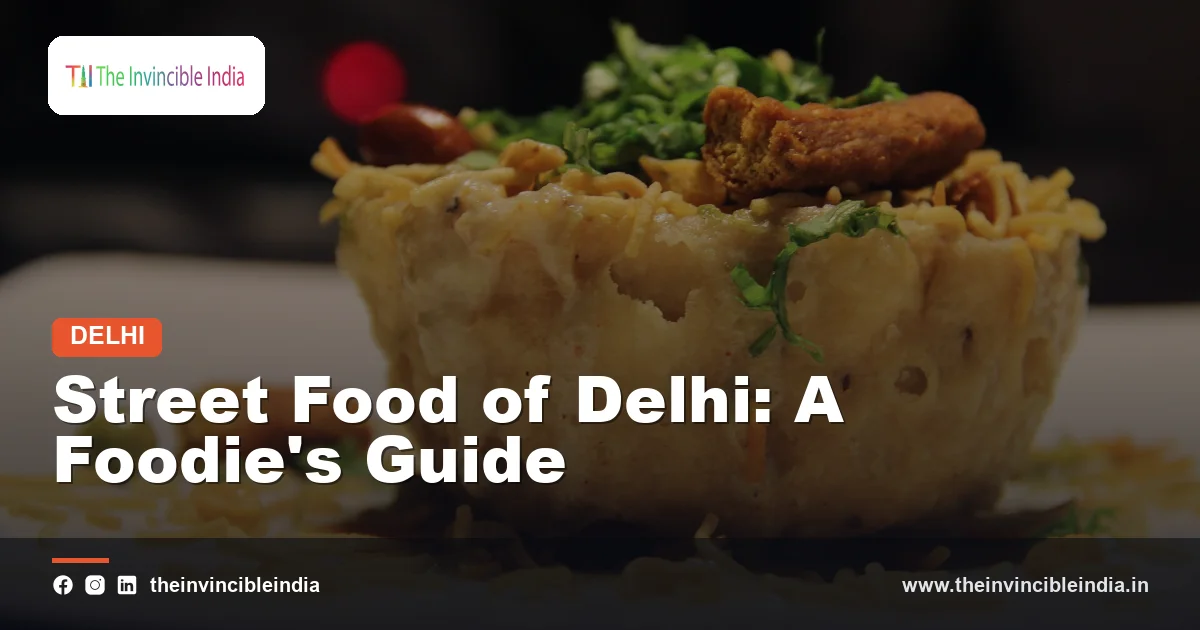
Delhi, the capital of India, is a paradise for lovers of street food. With a culinary heritage shaped by the Mughals, by Punjabi flavours, and by the countless communities who have made the city their home, the streets of Delhi offer an unrivalled feast of flavours. From the crispy, tangy chaat of the markets to the rich kebabs and parathas of Old Delhi, eating your way through the city is one of the great pleasures of visiting. This guide explores the best of Delhi’s legendary street food and where its flavours come alive.
Quick Facts: Delhi Street Food
| Detail | Information |
|---|---|
| Famous for | Chaat, parathas, kebabs, chole bhature |
| Iconic areas | Chandni Chowk, Paranthe Wali Gali, Old Delhi |
| Signature snack | Golgappe (pani puri) |
| Mughlai influence | Kebabs, korma, nihari, biryani |
| Sweet treats | Jalebi, daulat ki chaat, kulfi |
| Best explored | On foot, with an empty stomach |
The Chaat of Delhi
No exploration of Delhi’s street food can begin anywhere but with chaat, the savoury, tangy, spicy snacks that are the heartbeat of the city’s food culture. The most famous is the golgappa (known elsewhere as pani puri), crisp hollow shells filled with spiced water, tamarind, potato and chickpeas, eaten in one delicious burst. Alongside it are aloo tikki (spiced potato patties), papdi chaat, dahi bhalla (lentil dumplings in yoghurt), and bhelpuri, each a symphony of contrasting flavours and textures, sweet, sour, spicy and crunchy all at once.
The Flavours of Old Delhi
The narrow, bustling lanes of Old Delhi, especially around Chandni Chowk, are the beating heart of the city’s culinary heritage. Here, in the famous Paranthe Wali Gali, shops have been frying up stuffed parathas in dozens of varieties for generations. Nearby, legendary establishments serve rich Mughlai delights, from succulent kebabs and creamy korma to the slow-cooked nihari, a hearty meat stew traditionally eaten at breakfast. The area is a living museum of flavours, where recipes and techniques have been passed down for over a century.
Chole Bhature, Kebabs and More
Among Delhi’s most iconic dishes is chole bhature, a hearty combination of spicy chickpea curry (chole) and large, fluffy deep-fried bread (bhature), a favourite for breakfast or a filling meal at any time. The city’s Mughlai heritage shines in its kebabs, from the melt-in-the-mouth seekh and galouti kebabs to tandoori delights and rolls. Other beloved street foods include the ubiquitous samosa, spicy momos (a hugely popular import from the northeast and the hills), stuffed kulchas, and rajma chawal, all contributing to the city’s incredible variety.
Sweet Endings and Refreshments
Delhi’s street food is not complete without its sweets and cooling drinks. Piping hot jalebis, crisp and syrupy, are a morning favourite, often paired with milk. In the winter, the ethereal daulat ki chaat, a light, frothy milk-based dessert, is a rare seasonal delight of Old Delhi. The rich, dense kulfi (traditional Indian ice cream), especially the kulfi falooda, offers relief from the heat, while refreshing drinks such as lassi, shikanji (spiced lemonade) and sugarcane juice help wash down the feast. These sweet treats provide the perfect end to a street food adventure.
The Culinary Heritage of Delhi
Delhi’s extraordinary street food culture is the product of its long and layered history as the capital of empires. For centuries, the city was the seat of the Mughals, whose royal kitchens gave Delhi its magnificent tradition of kebabs, kormas, biryanis and rich breads. Successive waves of migration added further richness, with the arrival of Punjabi communities after Partition bringing dishes like chole bhature, rajma and tandoori fare, while communities from across India and beyond contributed their own specialities. This remarkable blending of culinary traditions over generations has created a street food scene of unrivalled depth and variety, where every dish carries echoes of the city’s rich and cosmopolitan past.
Chandni Chowk: A Food Lover’s Paradise
No discussion of Delhi street food is complete without paying homage to Chandni Chowk, the historic market in the heart of Old Delhi that is arguably the greatest street food destination in India. Its crowded, chaotic lanes are lined with shops and stalls, many of them decades or even a century old, serving up an endless array of delights. From the famous stuffed parathas of Paranthe Wali Gali to legendary jalebis, kachoris, chaat, kebabs, nihari and the dense, creamy rabri-faluda, Chandni Chowk is a sensory feast. Exploring its narrow gullies on foot, following the aromas and the crowds, is a culinary adventure that food lovers travel across the world to experience.
The Influence of Mughlai Cuisine
The Mughlai heritage of Delhi lies at the core of its most indulgent street foods. The Mughals brought with them the rich culinary traditions of Persia and Central Asia, which fused with local ingredients to create dishes of remarkable flavour and refinement. The kebabs of Delhi, from the melt-in-the-mouth galouti and succulent seekh to the smoky tandoori varieties, are legendary, as are the slow-cooked nihari and the rich, creamy kormas. Areas around Jama Masjid become especially vibrant during Ramadan, when the streets fill with an incredible spread of kebabs, biryanis and sweets, offering some of the finest Mughlai street food to be found anywhere in the country.
Modern Street Food Trends
While Delhi cherishes its traditional street foods, its food scene is also wonderfully dynamic and ever-evolving. The humble momo, originally from the Himalayan regions and the northeast, has become one of the city’s most popular street snacks, available steamed, fried and in fiery tandoori and chilli versions on nearly every corner. Fusion foods, from Indian-Chinese dishes like chowmein and Manchurian to innovative twists on classic chaats, reflect the city’s appetite for novelty. Food hubs and markets across New Delhi cater to changing tastes, showing that the capital’s street food culture is as alive and inventive today as it has ever been.
Tips for Enjoying Delhi Street Food
To make the most of Delhi’s street food while staying comfortable, a few tips are helpful. Choose busy, popular stalls where high turnover ensures freshness, and look for places frequented by locals as a mark of quality. Start gently if you are not used to Indian spices, and carry drinking water. The cooler months from October to March are the most pleasant time to explore on foot, and joining a guided food walk in Old Delhi can be a wonderful way to discover the best spots with expert guidance. Above all, come with an open mind and an empty stomach, ready to savour one of the world’s great street food cultures.
The Chaat Culture in Depth
Chaat is not just food in Delhi; it is a genuine cultural phenomenon and an art form. The word itself comes from a term meaning “to lick”, a fitting description for these irresistible snacks. What makes chaat so special is the masterful balance of contrasting flavours and textures in every bite, the interplay of sweet tamarind chutney, spicy green chutney, tangy yoghurt, crunchy fried elements, soft potatoes or chickpeas, and a sprinkle of chaat masala, the special tangy spice blend that gives the category its name. Skilled chaatwallahs assemble these creations with practised speed and flair, and enjoying a plate of freshly made chaat at a bustling stall is one of the quintessential Delhi experiences.
Street Food Through the Seasons
Delhi’s street food changes with the seasons, offering different delights throughout the year. In the cold winter months, the streets fill with hot, comforting foods: piping jalebis with milk, roasted sweet potatoes (shakarkandi), gajak and revri (sesame and jaggery sweets), and the ethereal daulat ki chaat, a frothy milk dessert available only in winter mornings. The summer brings cooling treats such as kulfi, chuski (flavoured ice), lassi, and refreshing drinks like shikanji, sugarcane juice and aam panna (raw mango drink). During Ramadan, the areas around Jama Masjid transform into a spectacular night-time food festival. This seasonal rhythm adds an extra dimension to the city’s ever-changing culinary landscape.
Iconic Establishments and Legacy
Much of the magic of Delhi’s street food lies in its legendary establishments, many of which have been serving the same beloved dishes for generations, some for over a century. These famous shops and stalls, often started by a single family and passed down through the years, have built their reputations on closely guarded recipes and unwavering quality, becoming institutions in their own right. From the historic sweet and snack shops of Chandni Chowk to famous kebab houses near Jama Masjid and celebrated chaat corners across the city, these establishments are living pieces of Delhi’s heritage. Eating at them connects visitors not just to great food, but to the rich history and enduring traditions of the capital.
Why Delhi is a Street Food Capital
Delhi’s claim to be one of the great street food capitals of the world rests on the sheer breadth, depth and quality of its offerings. Few cities can match its combination of centuries-old culinary heritage, the fusion of Mughlai, Punjabi and pan-Indian traditions, the legendary establishments carrying recipes across generations, and the constant energy and innovation of its food scene. To eat on the streets of Delhi is to taste history, culture and community in every bite, from a burst of tangy golgappa to a rich, smoky kebab. For food lovers, it is an endlessly rewarding adventure, and one of the most delicious ways to experience the vibrant soul of the Indian capital.
The Social Life of Street Food
Beyond the flavours, street food in Delhi is a deeply social experience woven into the fabric of daily life. Around the chaat stalls and kebab corners, people from all walks of life gather, mingle and share in the simple pleasure of good food, and a favourite stall often becomes a neighbourhood institution and meeting point. Friends catch up over plates of golgappe, families make weekend outings to Chandni Chowk, and office workers grab a quick, delicious bite between tasks. This communal, democratic spirit, where a delicious meal is within everyone’s reach and strangers stand shoulder to shoulder enjoying the same treats, is one of the most endearing aspects of Delhi’s vibrant street food culture.
An Unmissable Delhi Experience
For anyone visiting the capital, exploring its street food is an absolutely unmissable experience, offering a taste of Delhi’s history, culture and irrepressible spirit all at once. From the legendary lanes of Chandni Chowk to the food hubs of the new city, every corner offers something delicious to discover. Come with an open mind and an empty stomach, and Delhi will reward you with a feast of flavours you will never forget.
Frequently Asked Questions
What is Delhi street food famous for?
Delhi is famous for its chaat (such as golgappe and aloo tikki), stuffed parathas, chole bhature, rich Mughlai kebabs and nihari, momos, and sweets like jalebi and kulfi.
Where is the best street food in Delhi?
The best-known area is Old Delhi, especially Chandni Chowk and Paranthe Wali Gali, though excellent street food can be found across the city in markets and food hubs.
What is chaat?
Chaat refers to a category of savoury street snacks that are typically tangy, spicy and crunchy, such as golgappe, aloo tikki, papdi chaat and dahi bhalla, and are central to Delhi’s food culture.
What is chole bhature?
Chole bhature is a popular Delhi dish consisting of spicy chickpea curry (chole) served with large, fluffy deep-fried bread (bhature), enjoyed as a hearty breakfast or meal.


