

Aloo tikki is the much-loved potato patty of North India, a golden, crisp-edged round of spiced mashed potato that is shallow-fried on a griddle until it develops a satisfying crust. Sold from bustling street carts and served at family tables, it can be eaten simply with chutney, piled into a bun or transformed into a layered plate of chaat with yogurt, chickpeas and spices. Like many dishes found among the regional cuisines of India, it shows how an ordinary ingredient can be elevated through technique and seasoning. This guide explores aloo tikki, its character, its preparation and its place in Indian street food culture.
Quick Facts
| Detail | Information |
|---|---|
| Type | Shallow-fried potato patty |
| Main ingredient | Boiled and mashed potato |
| Region | North India, especially Delhi and Punjab |
| Served with | Tamarind and green chutneys, curd or chole |
| Cooking style | Griddle-fried until crisp and golden |
| Character | Crisp outside, soft and spiced within |
What Is Aloo Tikki
Aloo tikki is a patty made from boiled, mashed potato combined with spices and shaped into flat rounds before being fried until golden. The word aloo means potato and tikki refers to a small, flat cutlet or patty, and together they describe one of the most familiar snacks of the Indian street. Its appeal lies in its contrast of textures, a thin crisp crust giving way to a soft, fluffy, well-seasoned interior. It may be eaten alone, with chutneys on the side, or as the base of a more elaborate plate. This simple yet deeply satisfying combination has made aloo tikki one of the most popular and recognisable snacks in northern India and far beyond.
The Potato in Indian Cooking
The potato arrived in India through European traders in the early centuries of contact and was gradually adopted into Indian kitchens, where it quickly became indispensable. Cooks found it cheap, filling and wonderfully adaptable to Indian spices, and it entered countless preparations, from dry stir-fries to rich curries and fried snacks. Today it is difficult to imagine Indian food without it, and many regional dishes depend on its mild flavour and soft texture. Aloo tikki is a fine example of how readily this introduced vegetable has been embraced into the culinary tradition. The story of the potato in India, one of rapid and lasting adoption, helps explain the prominent place of tikki in everyday eating.
Origins of the Tikki
The tikki as a form of patty has roots in the broader tradition of North Indian fried and griddled snacks, and the aloo version is closely tied to the street food culture of cities such as Delhi, Lucknow and Amritsar. While it is hard to point to a single inventor or date, the dish likely grew from home cooks and vendors who found creative ways to use boiled potatoes in an affordable, portable snack. Cooking on a large flat griddle, or tawa, allowed vendors to prepare many tikkis at once and serve them hot to a steady stream of customers. The dish gradually became a staple of markets and festivals. Its humble and practical beginnings remain central to the identity and enduring charm of aloo tikki.
Preparing the Potato Mixture
The foundation of a good tikki is a well-prepared potato mixture. Potatoes are boiled until tender, peeled, cooled slightly and mashed until smooth, which helps the patties hold together. Cooks often prefer starchy varieties and allow the mashed potato to dry a little so that it is not too moist. Seasonings usually include salt, green chilli, ginger, coriander leaves and spices such as cumin and chaat masala, and some recipes add a little bread crumb or flour as a binder. The mixture is shaped gently by hand into smooth, even discs. Careful handling at this stage prevents the patties from cracking or breaking in the pan, which makes the preparation of the mixture the most important step in the whole process.
The Spiced Filling
Many versions of aloo tikki contain a filling at the centre, adding a pleasant surprise of flavour and texture when the patty is broken open. Common fillings include spiced lentils such as moong dal, a mixture of green peas, crushed nuts, grated paneer or a sweet-and-tangy combination of raisins and chutney. The filling is placed in a small hollow made in the potato, which is then sealed carefully and shaped into a round. Not every tikki is stuffed, but the filled version is especially prized in many cities. This inventive use of fillings shows how cooks can vary the same basic patty to produce different results, offering endless possibilities while keeping to the familiar character of the original.
Shallow-Frying on the Tawa
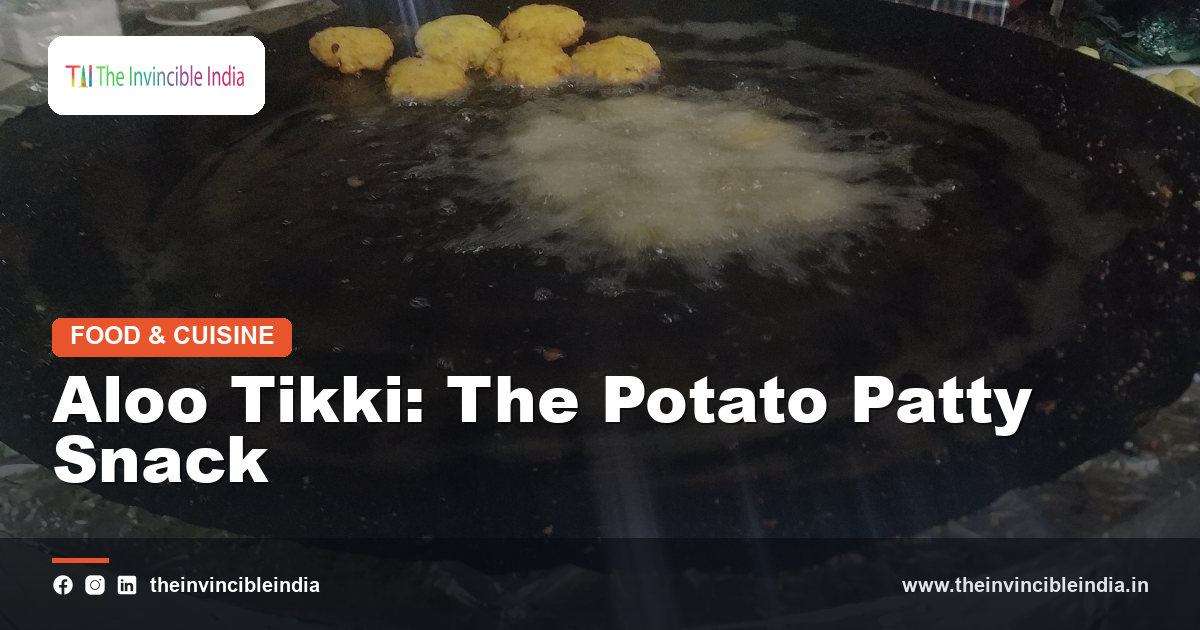
Traditionally, aloo tikki is cooked on a flat iron griddle, called a tawa, with a generous amount of oil or ghee, rather than being deep-fried. The patties are placed on the hot surface and left undisturbed until a golden crust forms, then turned carefully and cooked on the other side. Vendors often press and rearrange the tikkis with a flat spatula, keeping them hot as they wait to be served. The method gives the patties a deeply browned, crisp exterior while keeping the inside soft and moist. Many cooks regard the tawa as essential for achieving the right texture and flavour. This simple but skilful cooking technique is what gives aloo tikki its characteristic crispness and its familiar, appetising aroma.
Chutneys and Accompaniments
Aloo tikki is rarely eaten without chutney, and the two main accompaniments are a sweet-and-sour tamarind chutney and a fresh green chutney of coriander, mint and green chilli. The sweet tamarind sauce adds richness, while the green chutney brings sharpness and a cooling herbal note, together creating a balanced contrast with the fried patty. Some vendors also offer a spicy red chilli chutney or a dollop of fresh, whisked curd. Pickled onions and a squeeze of lemon may be served on the side as well. These simple sauces are essential to the enjoyment of the dish, and their careful balance of sweet, sour and spicy flavours is a defining feature of aloo tikki and Indian chaat as a whole.
Aloo Tikki Chaat
One of the most popular ways to enjoy the patty is as aloo tikki chaat, in which one or two crisp tikkis are broken up and topped with layers of toppings. A spiced chickpea curry, whisked yogurt, tamarind chutney, green chutney, chopped onion, sev and fresh coriander are commonly added, with a final shake of chaat masala and roasted cumin. The result is a plate full of contrasting temperatures, textures and tastes, soft and crisp, warm and cool, sweet and sour. It is considered one of the great classics of North Indian street food, especially in Delhi. The popularity of aloo tikki chaat shows how a modest patty can be transformed into a lively, complete and deeply satisfying dish.
Tikki with Chole
Another beloved pairing is tikki with chole, in which crisp potato patties are served with a warm, spiced chickpea curry. The soft chickpeas in their thick, tangy gravy offer a hearty complement to the crunchy edge of the tikki, and the dish is often topped with onions, chutneys and a squeeze of lemon. In some markets it is served in a small bowl, the tikki pressed down into the curd and chole, while in others the two are arranged separately on a plate. The combination is substantial enough to serve as a light meal. This comforting pairing of potato and chickpea, a favourite of both vendors and households, demonstrates the versatility and heartiness of aloo tikki.
The Burger Connection
In urban India, the aloo tikki patty has also become the basis of a hugely popular vegetarian burger. Sandwiched in a soft bun with sliced onion, tomato, lettuce and sauces, the potato patty offers a familiar, meat-free alternative that suits the dietary preferences of many Indian customers. The burger shows how traditional street food flavours have adapted to modern fast food formats, retaining the spices and texture of the original while adopting an international style of presentation. Many cafes and quick-service restaurants feature such a burger prominently on their menus. This adaptation illustrates the flexibility of the aloo tikki and its ability to move easily between traditional chaat stalls and contemporary eating places.
Regional Variations
Although aloo tikki is most closely associated with northern India, many regions have their own versions of the potato patty. In Lucknow, tikkis are often cooked with great care and served with an elaborate combination of toppings, while in Punjab they may be larger and accompanied by chole and a generous scoop of curd. Further east, cutlets and chops made of potato appear in Bengali cuisine, and in western India, similar patties are served inside buns as part of vada pav-style snacks. Each variation reflects local tastes, available ingredients and street food customs. These differences show how a shared idea, the spiced and fried potato, has been interpreted in many ways across the country while retaining a recognisable common character.
Seasonal and Festive Appeal
Aloo tikki is enjoyed throughout the year, but it holds particular appeal in the cooler months, when a hot, crisp, freshly fried snack is especially welcome. Winter evenings in North Indian cities often see crowds gathered around tikki stalls, enjoying plates of steaming patties with chutneys. The dish also appears at festive gatherings, parties and family celebrations, where it is served as a starter or as part of a chaat counter. It is easy to prepare in large quantities, which makes it a practical choice for hosts. This seasonal and social role has helped aloo tikki become a familiar presence in North Indian life, linked in many memories to markets, festivals and shared meals.
Street Food Culture
Aloo tikki is inseparable from the vibrant street food culture of North India, where skilled vendors build their reputations on the quality and consistency of a few well-loved dishes. Standing at their carts behind a large sizzling tawa, they cook tikkis in rows, flipping and pressing them in practised rhythm while customers wait with small plates in hand. The aroma of frying potato, spices and ghee draws crowds from a distance, and famous stalls in cities like Delhi, Amritsar and Lucknow often become local landmarks. Eating at such a stall is a social and sensory experience as much as a culinary one. The tikki cart, humble but beloved, remains one of the most vivid symbols of Indian street food.
Making Crisp Tikkis at Home
Home cooks who prepare aloo tikki generally follow a few reliable guidelines to achieve crisp, well-shaped patties. They choose starchy potatoes, boil them until just tender and let the mash cool and dry slightly before shaping. A modest binder such as bread crumbs or a little flour helps the patties hold together, and a light coating of crumbs or rice flour can add extra crispness. The pan should be hot, the oil sufficient and the tikkis turned only once a firm crust has formed. Resting the shaped patties briefly before frying also improves their stability. With attention to these simple details, home cooks can produce tikkis that rival those of the best street vendors, bringing the taste of the market into the family kitchen.
Nutritional Character
Potatoes are a source of carbohydrates and also contain useful amounts of vitamins and minerals, which means aloo tikki offers a filling and energy-giving snack. The dish is nevertheless fried, and its richness depends on how much oil or ghee is used in cooking. Many home cooks lighten the preparation by using a non-stick pan with limited oil, or by baking or air-cooking the patties instead of frying them. Fillings of lentils or peas can also add protein and fibre to the dish. Served alongside yogurt and fresh chutneys, it can form part of a balanced snack or light meal. Understood as an occasional indulgence rather than a daily staple, aloo tikki can be enjoyed comfortably within a varied diet.
Modern Interpretations
Contemporary chefs and home cooks have found many creative ways to reinterpret the classic tikki. Some add ingredients such as beetroot, spinach, sweet potato or millets to the mixture, giving the patties new colours, flavours and nutritional profiles. Others present them as elegant canapes at parties, topped with miniature garnishes, or use them as the base of plated starters in restaurants. Packaged and frozen versions have also made aloo tikki widely available in shops and supermarkets. Despite these innovations, many people still prefer the familiar griddled patty served hot with simple chutneys. This blend of innovation and tradition shows that aloo tikki continues to evolve while remaining rooted in its original appeal.
Aloo Tikki Today
Aloo tikki remains one of the most popular and widely recognised snacks of India, served at street stalls, restaurants, festive gatherings and family dinners alike. It has travelled well beyond the country, appearing on the menus of Indian restaurants and food festivals around the world, where it is often one of the first dishes visitors try. Its success rests on simple virtues, familiar ingredients, satisfying texture and a lively range of toppings and accompaniments. Cooks continue to adapt and reinvent it while preserving its essential identity. As a humble but cherished potato patty, aloo tikki stands as a delicious and enduring symbol of India’s rich street food heritage.
Sources & Further Reading
- Ministry of Culture, Government of India (indiaculture.gov.in).
- Food Safety and Standards Authority of India (fssai.gov.in).
Frequently Asked Questions
What is aloo tikki made of?
Aloo tikki is made from boiled, mashed potato mixed with spices such as green chilli, ginger, cumin and chaat masala. The mixture is shaped into flat patties and shallow-fried on a griddle until golden and crisp.
What is the difference between aloo tikki and aloo tikki chaat?
Aloo tikki is the fried potato patty itself, while aloo tikki chaat is a plate in which the patties are topped with chickpea curry, yogurt, chutneys, onions and spices. The chaat version turns the snack into a layered, more substantial dish.
Is aloo tikki deep-fried or shallow-fried?
Traditionally it is shallow-fried on a flat iron griddle, or tawa, with oil or ghee. This method produces a crisp golden crust while keeping the inside soft.
What are the common fillings in aloo tikki?
Typical fillings include spiced moong dal, green peas, grated paneer, nuts, or a sweet-and-tangy mixture of raisins and chutney. Many tikkis are also made without any filling.
What do people serve with aloo tikki?
The most common accompaniments are sweet tamarind chutney, green coriander-mint chutney and whisked curd. It is also often served with spiced chickpea curry, known as chole, or topped with onions and sev.


