

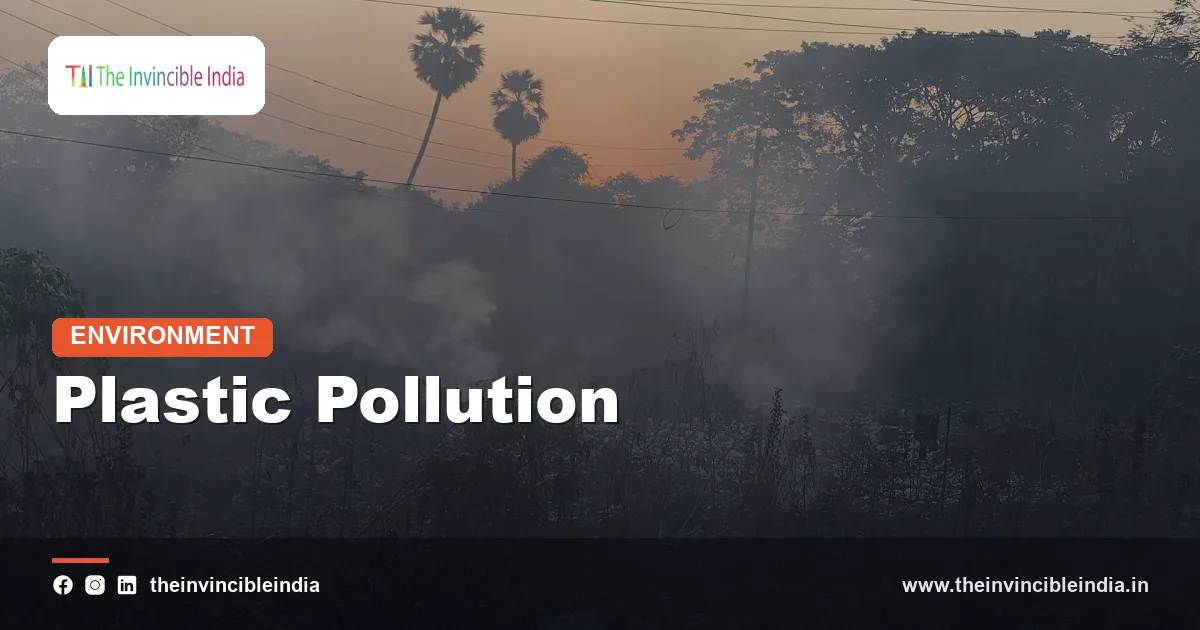
In India, plastic pollution is the build-up of discarded plastic in cities, farmland, rivers, coasts and seas, caused by the country producing and using far more plastic than its waste systems can collect, recycle or safely dispose of. India generates several million tonnes of plastic waste every year, and a large share of it ends up in drains, dumps, open fires and waterways.
The government has responded with rules on plastic waste, a ban on identified single-use plastic items from 1 July 2022 and a system of Extended Producer Responsibility (EPR) that makes companies answerable for the packaging they sell. Last updated: 2 November 2026. This explainer covers how big the problem is, where it comes from, how plastic reaches rivers and the sea, how India’s laws work, why recycling falls short and what can be done.
| Attribute | Detail |
|---|---|
| Definition | Accumulation of plastic waste and fragments in the environment that harms ecosystems, animals and people |
| Scale in India | Official figures put plastic waste at roughly 3.5 million tonnes a year, and many experts think the true figure is higher |
| Main rules | Plastic Waste Management Rules, 2016, with amendments in 2018, 2021 and 2022 |
| Single-use ban | Identified single-use plastic items banned from 1 July 2022 |
| Producer responsibility | EPR guidelines for plastic packaging notified in February 2022, run through a CPCB portal |
| Regulator | Central Pollution Control Board (CPCB) and state pollution control boards |
| Hardest plastics to recycle | Thin multilayer sachets, wrappers and films |
| Main harms | Choked drains, litter, harm to animals, microplastics in water and food, toxic fumes from burning |
Key Takeaways
- Plastic pollution in India comes from a mix of rising plastic use, especially packaging, and weak collection, sorting and recycling systems.
- Plastic waste is not only an urban issue, because it also clogs drains and worsens flooding, chokes rivers, harms cattle and stray animals and reaches the sea.
- India banned a list of single-use plastic items from 1 July 2022, including plastic cutlery, straws, earbud sticks, thermocol decorations and some packaging films.
- Under EPR, producers, importers and brand owners must register, meet recycling and reuse targets and be responsible for the packaging they put into the market.
- India recovers bottle-grade plastics such as PET fairly well through informal waste pickers, but thin multilayer wrappers and sachets are rarely recycled and often burned or dumped.
- Lasting solutions need less unnecessary plastic, better packaging design, source segregation of waste, formal recycling and fair treatment of the waste pickers who already do much of the work.
What is plastic pollution?
Plastic pollution is the presence of plastic objects and particles in the environment in quantities that harm wildlife, ecosystems and human health. Because most plastics do not biodegrade, they break into ever smaller pieces rather than disappearing, and they can persist for hundreds of years.
Scientists group plastic waste by size. Macroplastics are visible items such as bags, bottles, wrappers and fishing nets. Microplastics are fragments smaller than five millimetres, which come from the breakdown of larger plastic, from synthetic clothing fibres, tyre wear and from tiny beads in some products. Even smaller nanoplastics are now being found in water, soil, air and food.
Plastic itself is a useful material, and it is cheap, light and strong. The problem lies in the huge volume of short-lived items, such as carry bags, sachets, cups and wrappers, which are used for minutes and then become waste that lasts for centuries.
How much plastic waste does India generate?
India generates a few million tonnes of plastic waste a year, with official data from the Central Pollution Control Board indicating about 3.5 million tonnes annually in recent reports. Independent researchers think the true total is higher because much waste goes uncounted in informal channels and open dumping.
Per person, India uses much less plastic than wealthy countries such as the United States or members of the European Union, but its large population and fast-growing economy mean that the national total is big and rising. Packaging, particularly for food, drinks, personal care and e-commerce, is the largest single use of plastic.
The numbers should be read with caution. Reporting by states is patchy, definitions vary, and a good deal of plastic waste is never weighed because it is burned, buried, swept into drains or sold directly to scrap dealers. What is clear is that the amount is growing, and that collection and recycling are not growing as fast.
Where does India’s plastic waste come from?
India’s plastic waste comes mainly from packaging used in homes, shops and businesses, with additional contributions from construction, farming, textiles, electronics and the fishing industry. A great deal of it is flexible packaging of low value, which is the hardest kind to collect.
- Packaging: bottles, carry bags, wrappers, pouches, sachets, cups and e-commerce packing materials make up the bulk of waste.
- Single-use items: plastic cutlery, straws, cups, plates and stirrers used at events, street stalls and takeaways.
- Agriculture: mulch films, irrigation pipes, greenhouse sheets and fertiliser bags.
- Fishing: lost and discarded nets and gear, often called ghost gear, which keep trapping marine life.
- Textiles: synthetic fabrics like polyester, which shed microfibres in every wash.
- Electronic and construction waste: casings, cables, pipes and packaging that are often mixed with other rubbish.
How does plastic reach India’s rivers and the sea?
Plastic reaches rivers and the sea mainly because uncollected waste is washed from streets, dumps and riverbanks by rain and drains into streams, which carry it downstream. Most marine plastic starts on land, and rivers are its main conveyor belt.
Several studies of global river plastic have named South Asian rivers, including the Ganga, Brahmaputra and Indus, among those that carry large quantities of waste to the ocean. Because exact figures depend on assumptions and are disputed, it is safer to say that India’s large rivers are significant contributors and that coastal cities add plastic directly from beaches, harbours and creeks.
The impacts are widespread. Plastic bags and sachets choke drains and add to urban flooding in the monsoon. Waste piles up on the banks of rivers and on beaches, and plastic is found in the stomachs of fish, seabirds, turtles and cattle. Fishing communities lose gear and income, and tourism sites suffer from litter. Microplastics have been detected in Indian rivers, lakes, seafood and drinking water, although the long-term effects on human health are still being studied.
What does plastic pollution do to animals and people?
Plastic pollution harms animals through entanglement and swallowing, and it affects people through blocked drains, toxic smoke from burning and microplastics entering water and food. The damage is physical, chemical and social.
Animals mistake plastic for food or get tangled in it. Stray cows in Indian towns are often found with large amounts of plastic in their stomachs, which can cause illness and death. Sea turtles, whales, dolphins and seabirds suffer similarly in coastal waters.
For people, the most direct harm often comes from burning. Plastic waste is frequently burned in the open to clear rubbish or for warmth, releasing fine particles and toxic compounds such as dioxins that add to air pollution. Plastics also carry chemical additives, and some of these can leach out and are suspected of affecting hormones and health. Waste pickers and workers in unregulated recycling units bear the greatest exposure.
What is India’s single-use plastic ban?
India’s single-use plastic ban, in force from 1 July 2022, prohibits the manufacture, import, stocking, sale and use of a list of single-use plastic items that are of low utility and high litter potential. It was announced under the Plastic Waste Management Amendment Rules, 2021.
| Banned items (from 1 July 2022) |
|---|
| Earbuds with plastic sticks |
| Plastic sticks for balloons, plastic flags, candy sticks and ice-cream sticks |
| Polystyrene (thermocol) for decoration |
| Plastic plates, cups, glasses, forks, spoons, knives, straws and trays |
| Wrapping or packing films around sweet boxes, invitation cards and cigarette packets |
| Plastic or PVC banners below 100 microns, and stirrers |
Alongside the ban, India set minimum thickness rules for plastic carry bags, raising it first to 75 microns in 2021 and then to 120 microns from the end of 2022, to make bags more durable and reusable. The government has also backed alternatives such as paper, cloth, jute and compostable products, though the supply of affordable substitutes has been uneven.
The ban is a start but faces problems. Enforcement is left to states and local bodies, many of which have limited staff, and the banned list covers only a part of the plastic that reaches the environment. Common items such as thin carry bags and multilayer sachets remain in wide use, and informal trade and local production continue in many places.
What is Extended Producer Responsibility (EPR)?
Extended Producer Responsibility is a rule that makes the companies that produce, import or sell plastic packaging, known as producers, importers and brand owners, responsible for collecting and recycling the packaging they put on the market. India notified EPR guidelines for plastic packaging in February 2022 under the Plastic Waste Management Rules.
Under the system, these companies must register on a central portal run by the CPCB and set annual targets for collecting plastic waste and for recycling it, and in some categories for using recycled content or reusing packaging. The plastic is divided into categories, including rigid plastics, flexible single-layer, multilayer packaging and compostable plastics, with different targets for each.
Companies usually meet their obligations by buying EPR certificates from registered recyclers and waste processors, who document the plastic they have processed. The idea is to create money flow from brands to the waste system. Critics point out that the system relies heavily on paperwork, that fake or inflated certificates are a risk, and that checking the real recycling behind the certificates is difficult. Strong audits and transparent data are needed for the scheme to work.
Why does recycling fall short in India?
Recycling falls short in India because much plastic waste is never collected or separated, low-value plastics such as thin multilayer packaging do not pay to recycle and the recycling sector is largely informal. Only part of the waste that is generated is actually turned into new products.
Recycling works well for some plastics. PET water and soft-drink bottles, HDPE containers and some rigid plastics have good scrap value, and India has a large network of kabadiwalas, waste pickers and small units that collect and sort them. This informal workforce, numbering in the millions, keeps a significant amount of plastic out of landfills, usually without protective equipment, secure pay or recognition.
Problems arise with low-value waste. Chips packets, shampoo sachets, snack wrappers and other multilayer films mix different plastics and aluminium, are dirty and light, and are worth little to collectors. They are often burned, dumped or left in the open. Mixed waste, with plastic soiled by food and wet waste, is harder still to recycle.
Because waste is often not separated at home, even recyclable plastic can become contaminated. The fixes include source segregation into wet and dry waste, door-to-door collection, material recovery facilities, better recycling technology and designing packaging so that it can actually be recycled.
What other uses are there for plastic waste?
Plastic waste that cannot be recycled into new products is sometimes used for road building, burned as fuel in cement kilns or converted into energy. Each option has benefits and limits, and none is a substitute for using less plastic.
- Plastic roads: shredded plastic is mixed with bitumen to build roads, a technique pioneered in Tamil Nadu, and Indian guidelines have encouraged its use near large cities. It uses up waste but raises questions about microplastic release over time.
- Co-processing in cement kilns: low-value plastic is burned as fuel in cement plants under controlled conditions, replacing some coal. It needs strict emission controls.
- Waste-to-energy: incineration of mixed waste recovers some energy but can release pollutants unless carefully regulated.
- Chemical recycling: technologies that break plastic back into raw chemicals are being tested, although cost and energy use remain challenges.
What can individuals and communities do?
Individuals and communities can reduce plastic pollution by refusing unnecessary single-use items, carrying reusable bags and bottles, separating dry waste at home and supporting local collection and recycling. These actions are small, but they add up when practised widely.
- Carry a cloth bag, steel bottle and cutlery, and refuse straws and plastic cutlery.
- Buy loose or refillable products where possible, and avoid multilayer sachets.
- Separate dry waste from wet waste, and rinse and hand over clean plastic to collectors.
- Never burn plastic, and report illegal dumping or burning to local authorities.
- Join or support clean-up drives for rivers and beaches, but also press for upstream changes in what is produced.
- Back fair recognition and safety gear for waste pickers, who are central to any recycling system.
Individual action cannot solve a problem of this scale alone. Lasting change depends on how products are designed, on waste collection and recycling systems and on rules that are actually enforced, which is why the policy side matters as much as personal habits.
Where do global plastic talks fit in?
Global plastic talks fit in as an international effort, under the United Nations, to agree a legally binding treaty on plastic pollution covering the full life cycle of plastic from production to disposal. India takes part in these negotiations and has stressed national circumstances, development needs and the role of waste management.
India also hosted World Environment Day in 2018 under the theme “Beat Plastic Pollution” and announced a goal of phasing out single-use plastic, which led to the 2022 ban. The treaty talks matter because plastic crosses borders in ocean currents and in global trade, so national laws alone cannot fully address it.
Bottom Line
Plastic pollution in India is a product of fast-growing packaging use and waste systems that have not kept pace. The 2022 single-use ban and the EPR rules show the direction of policy, but results depend on enforcement, honest audits, better packaging design and support for the informal workers who do much of the recycling. The most effective step remains the simplest: use less plastic in the first place, and make sure that what is used is collected and recycled instead of burned or dumped.
Frequently Asked Questions
How much plastic waste does India produce?
Official CPCB figures put India’s plastic waste at roughly 3.5 million tonnes a year, though experts believe the real total is higher because much waste is uncounted. The amount is rising with packaging use.
What single-use plastic items are banned in India?
Since 1 July 2022, India bans items such as plastic cutlery, plates, cups, straws, stirrers, earbud sticks, balloon and candy sticks, thermocol decorations and certain packaging films and thin PVC banners.
What is EPR for plastic in India?
Extended Producer Responsibility makes producers, importers and brand owners responsible for collecting and recycling the plastic packaging they sell. They register on a CPCB portal and meet annual targets, often by buying EPR certificates from recyclers.
How does plastic get into India’s rivers and oceans?
Uncollected plastic from streets, dumps and riverbanks is washed into drains and streams by rain and carried downstream to the sea. Coastal cities, harbours and fishing gear add plastic directly to the ocean.
Why is plastic recycling difficult in India?
Recycling is hard because waste is often mixed and not separated at source, low-value items such as multilayer sachets earn little for collectors, and the sector is mostly informal. Bottle plastics are recycled far more successfully than thin wrappers.
Can individuals really reduce plastic pollution?
Yes, by refusing single-use items, using reusable bags and bottles, separating dry waste and never burning plastic. These habits help, but they work best alongside better packaging design and strong enforcement of rules.
{“@context”:”https://schema.org”,”@graph”:[{“@type”:”FAQPage”,”mainEntity”:[{“@type”:”Question”,”name”:”How much plastic waste does India produce?”,”acceptedAnswer”:{“@type”:”Answer”,”text”:”Official CPCB figures put India’s plastic waste at roughly 3.5 million tonnes a year, though experts believe the real total is higher because much waste is uncounted. The amount is rising with packaging use.”}},{“@type”:”Question”,”name”:”What single-use plastic items are banned in India?”,”acceptedAnswer”:{“@type”:”Answer”,”text”:”Since 1 July 2022, India bans items such as plastic cutlery, plates, cups, straws, stirrers, earbud sticks, balloon and candy sticks, thermocol decorations and certain packaging films and thin PVC banners.”}},{“@type”:”Question”,”name”:”What is EPR for plastic in India?”,”acceptedAnswer”:{“@type”:”Answer”,”text”:”Extended Producer Responsibility makes producers, importers and brand owners responsible for collecting and recycling the plastic packaging they sell. They register on a CPCB portal and meet annual targets, often by buying EPR certificates from recyclers.”}},{“@type”:”Question”,”name”:”How does plastic get into India’s rivers and oceans?”,”acceptedAnswer”:{“@type”:”Answer”,”text”:”Uncollected plastic from streets, dumps and riverbanks is washed into drains and streams by rain and carried downstream to the sea. Coastal cities, harbours and fishing gear add plastic directly to the ocean.”}},{“@type”:”Question”,”name”:”Why is plastic recycling difficult in India?”,”acceptedAnswer”:{“@type”:”Answer”,”text”:”Recycling is hard because waste is often mixed and not separated at source, low-value items such as multilayer sachets earn little for collectors, and the sector is mostly informal. Bottle plastics are recycled far more successfully than thin wrappers.”}},{“@type”:”Question”,”name”:”Can individuals really reduce plastic pollution?”,”acceptedAnswer”:{“@type”:”Answer”,”text”:”Yes, by refusing single-use items, using reusable bags and bottles, separating dry waste and never burning plastic. These habits help, but they work best alongside better packaging design and strong enforcement of rules.”}}]}]}


